Wondering whether Northern Liberties is the right place to buy your first investment property? That is a smart question, especially in a neighborhood where strong renter appeal comes with higher entry prices and more competition. If you are trying to balance risk, rental demand, and long-term upside, this guide will help you weigh the numbers and the practical details before you make a move. Let’s dive in.
Why Northern Liberties draws investors
Northern Liberties stands out because it offers an urban lifestyle that many renters actively seek. The neighborhood sits just north of Old City and has strong transit access through the Market-Frankford Line at Spring Garden and Front/Girard, along with SEPTA bus routes 5, 15, 25, 43, and 57.
That connectivity matters when you are buying a rental. Easy access to transit, restaurants, shops, and entertainment can support steady interest from tenants who want convenience and a walkable setting. Visit Philadelphia also notes the area’s mix of reused industrial buildings, retail, dining, and nightlife, which adds to its appeal.
Northern Liberties also benefits from broader residential momentum in and around Center City. Center City District reported that Greater Center City’s residential population grew 3% over the last four years and 27% since 2011, which helps explain why this part of Philadelphia continues to attract both residents and investors.
What the market says today
If you are buying your first investment property, pricing is one of the first filters. Northern Liberties is not the cheapest place to enter the market, and the data suggest that clearly.
Zillow places the typical home value in Northern Liberties at $510,297 as of April 30, 2026, up 4.1% from the prior year. Homes were going pending in about 20 days, which points to an active market.
Realtor.com shows a $602.5K median listing price, about 120 homes for sale, a 98% sale-to-list ratio, and 54 median days on market. No single source tells the whole story, but together they suggest a neighborhood where buyers still need to be prepared and decisive.
For a first-time investor, that means your strategy matters. You are likely not buying here because it is the lowest-cost option. You are buying here if you want a location with renter demand, liquidity, and the potential for long-term appreciation.
Rent levels look strong, but yield may be tighter
Northern Liberties appears to support relatively high rents compared with many other Philadelphia neighborhoods. Apartments.com reports an average rent of $2,263, with studios around $1,642, two-bedroom units around $3,109, and three-bedroom units around $3,713.
Realtor.com reports a neighborhood median rent of about $2.1K per month. Since rental platforms use different data and methods, it is best to treat those numbers as directional rather than exact.
The bigger takeaway is simple. Rent levels are solid, but purchase prices are also high, so your immediate cash flow may be slimmer than in lower-cost neighborhoods. Based on the rent and pricing data, Northern Liberties looks better suited to investors focused on location quality, tenant demand, and appreciation potential rather than maximum day-one yield.
New supply is both a strength and a risk
One of the most important details for first-time investors is how much new housing has been added nearby. Center City District reported that the 19123 ZIP code, which includes Northern Liberties, accounted for about a quarter of Philadelphia’s completed housing units in 2024.
That is a major clue about the current market. New inventory can be a positive because it reflects demand and ongoing investment in the area. At the same time, it also means renters often have more choices, especially in newer buildings.
Center City District also reported that core Center City occupancy was near 92%, while extended Center City occupancy was around 83% after a large wave of new supply. For you as an investor, that means building quality, unit finishes, amenities, and pricing strategy can have a real impact on lease-up speed.
If you buy in Northern Liberties, you should expect competition. The newest product may face the most direct comparison shopping from tenants, so careful underwriting is key.
Property types you are likely to find
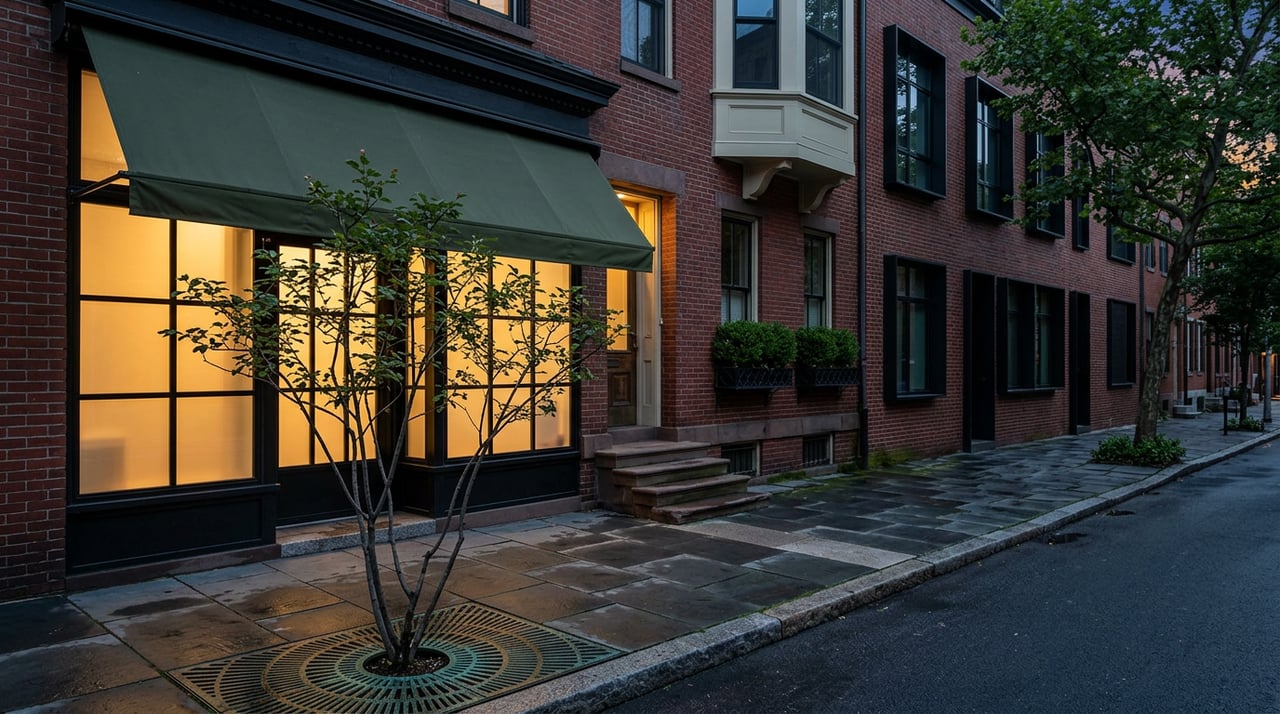
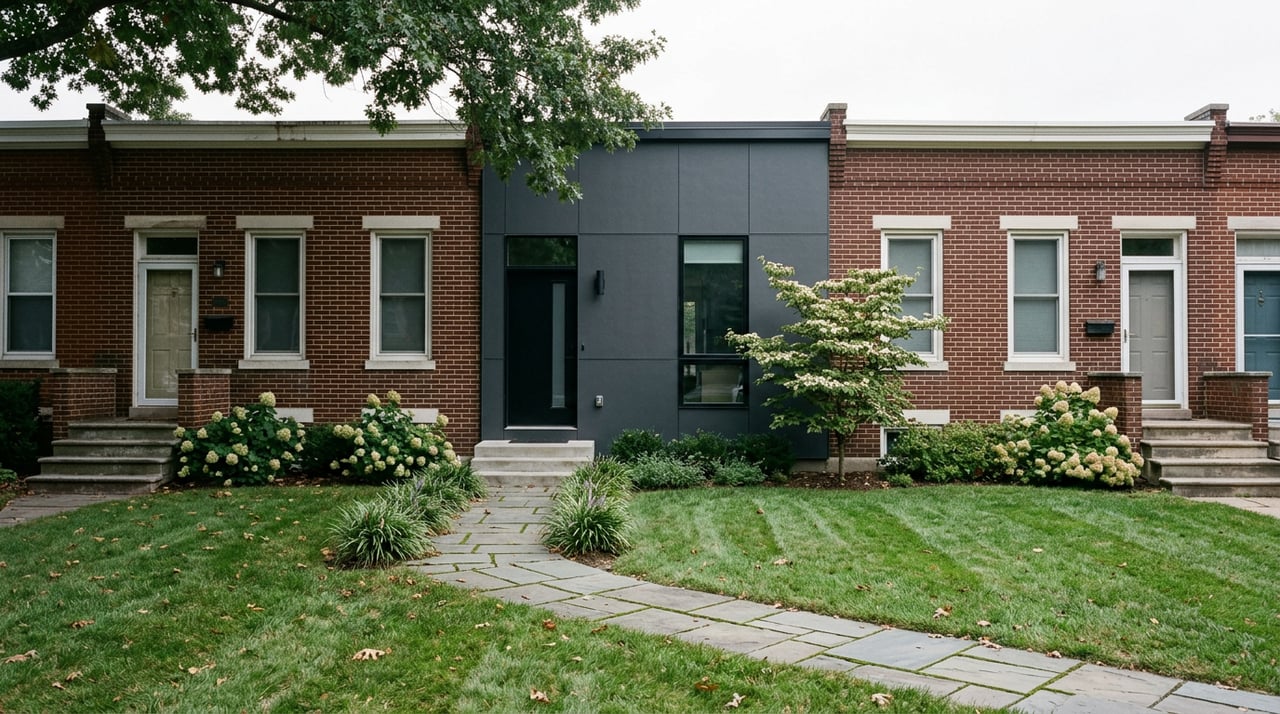
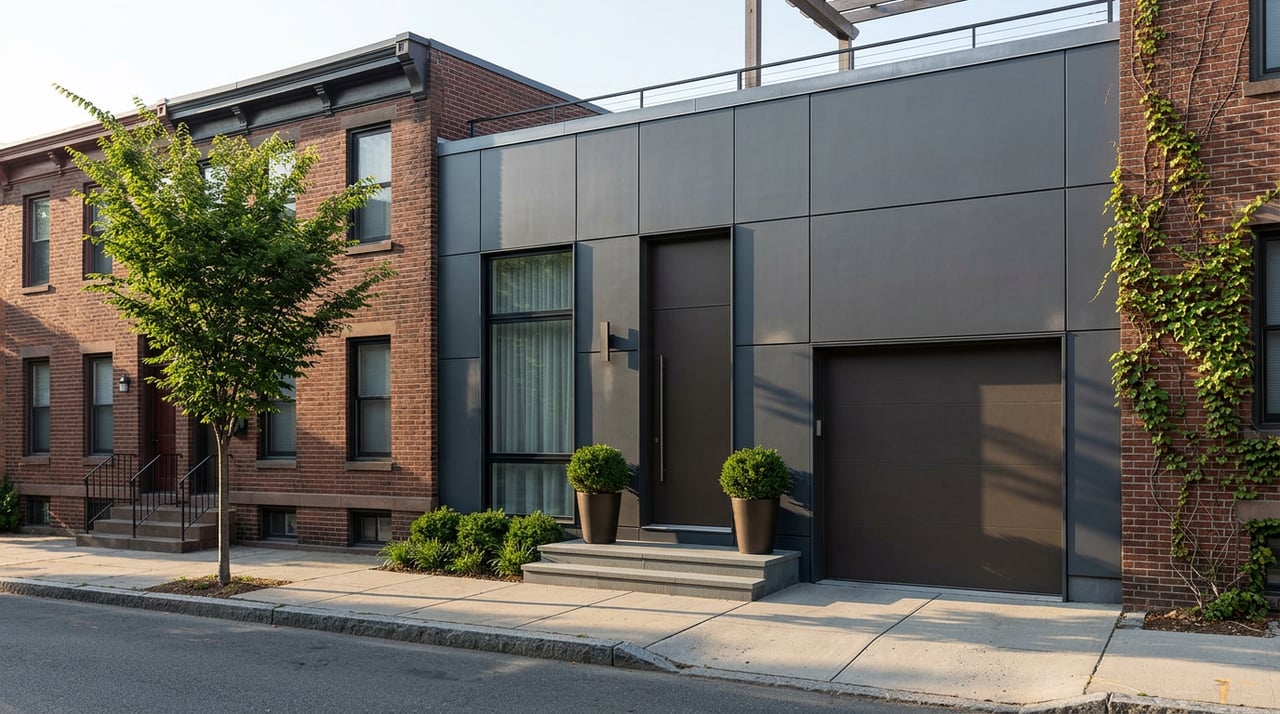
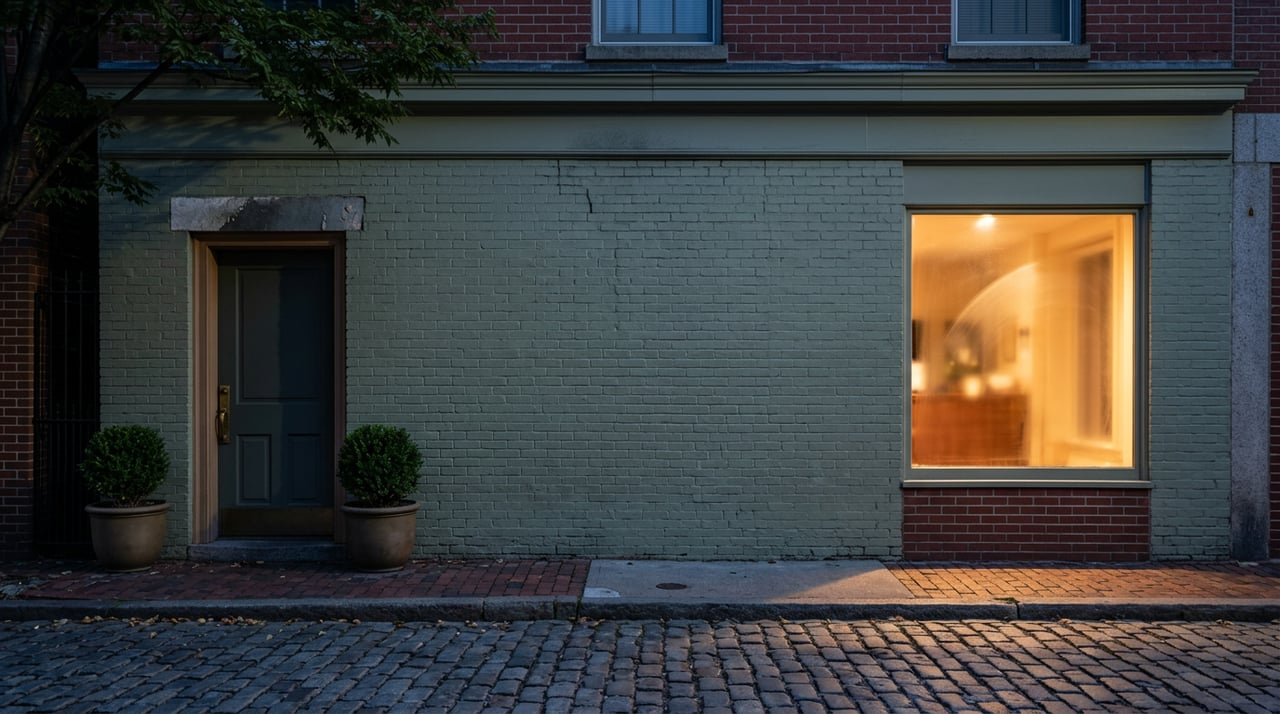
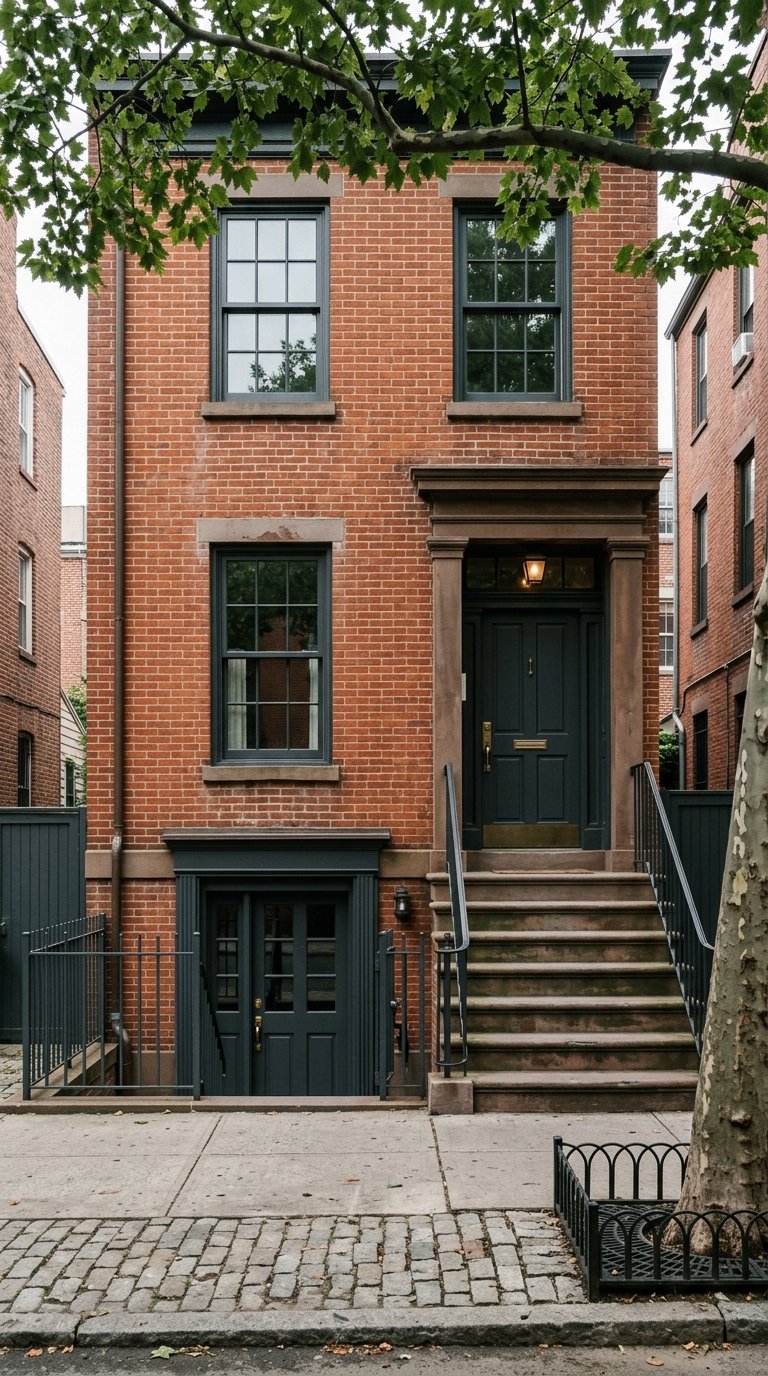
Northern Liberties offers a mix that can be attractive to a first-time investor, but each product type comes with different tradeoffs. The neighborhood includes repurposed warehouse buildings, condos, newer apartments, mixed-use areas, and more traditional attached housing.
That variety can create opportunity. You may find loft-style condos in converted industrial buildings, newer units with contemporary finishes, or older urban housing with renovation potential.
But variety also means you need to evaluate each asset class carefully. A condo may come with HOA fees and building rules that affect your monthly carrying costs and rental flexibility. A traditional rowhome may offer more control, but it may also require more maintenance and capital planning.
Compliance matters in Philadelphia
For a first investment property, operational details can be just as important as the purchase price. In Philadelphia, rental compliance is a central part of the underwriting.
The city requires a Rental License to rent out dwelling, rooming, or sleeping units. The license costs $69 per unit, and the city states that applicants must be current on taxes and have no outstanding Licenses and Inspections violations.
If you live outside Philadelphia, you must identify a managing agent with a Philadelphia mailing address. If the property was built before March 1978, the city requires lead-safe or lead-free certification. The city also requires owners to provide new tenants with a Certificate of Rental Suitability before move-in.
These are not small details. They affect timeline, budget, and property readiness, which is why first-time investors should build compliance costs and preparation time into the purchase plan from day one.
Taxes and abatements can change the math
Philadelphia’s current Real Estate Tax rate is 1.3998% of assessed value, with taxes due March 31 each year. That should be part of your recurring expense calculation before you make an offer.
The city also offers several tax incentives that may improve the numbers on the right property. These include a 30-month development abatement for new residential construction or certain unoccupied residential improvements, a 10-year rehab abatement for existing residential properties, and a 10-year new-construction abatement for residential properties.
There is an important detail here. Properties with a 10-year residential tax abatement are not eligible for the Homestead Exemption during the abatement period. If you are comparing multiple opportunities, tax treatment can meaningfully affect your long-term holding costs.
Pay close attention to water and drainage
Not every investment risk shows up in a listing sheet. In Northern Liberties, water and drainage conditions deserve extra review, especially if you are considering a property with a basement or lower-level living area.
Philadelphia Water reports active projects in the neighborhood involving water mains, sewer work, and green stormwater infrastructure. The department has also documented localized flooding in a section of Northern Liberties tied to the historic Cohocksink Creek area.
That does not mean every block has flooding issues. It does mean you should inspect basements, grading, drainage, and stormwater conditions carefully before closing, particularly if you are buying an older property or planning renovations.
Is Northern Liberties a good first investment?
For the right buyer, yes. Northern Liberties can be a strong first investment property neighborhood if you are looking for an amenity-rich, transit-connected rental market with long-term upside.
It may be a less comfortable fit if your main goal is the highest possible immediate cash flow or the lowest barrier to entry. Prices are relatively high, and the amount of new supply means you need to be disciplined about property selection, expenses, and rent assumptions.
In practical terms, Northern Liberties tends to make the most sense for first-time investors who want to buy in a neighborhood with established appeal and who are comfortable taking a more strategic, longer-view approach. If you underwrite carefully and choose the right asset, it can be a compelling place to start.
Buying your first investment property is not just about finding a neighborhood that looks exciting on paper. It is about matching the location, property type, and numbers to your goals with a process that keeps surprises to a minimum. If you want help evaluating Northern Liberties opportunities with a clear, data-driven approach, connect with Reid Rosenthal.
FAQs
Is Northern Liberties a good neighborhood for a first rental property?
- Northern Liberties can be a good fit if you value renter demand, transit access, neighborhood amenities, and long-term appreciation potential more than the strongest immediate cash flow.
What are Northern Liberties rent levels for investors?
- Current sources place neighborhood rent around $2.1K to $2,263 per month on average or median, depending on the dataset, with higher rents for larger units.
Are Northern Liberties home prices high for first-time investors?
- Yes. Current data show a typical home value around $510,297 and a median listing price around $602.5K, which makes Northern Liberties a relatively expensive entry point.
What rental license rules apply in Philadelphia investment properties?
- Philadelphia requires a Rental License, current tax status, no outstanding L&I violations, lead-safe or lead-free certification for pre-1978 properties, and a Certificate of Rental Suitability for new tenants.
Does new construction affect Northern Liberties rental competition?
- Yes. The 19123 ZIP code accounted for about a quarter of Philadelphia’s completed housing units in 2024, which gives renters more options and can increase competition among landlords.
What should investors inspect in Northern Liberties properties?
- In addition to the usual condition review, you should pay close attention to basements, grading, drainage, and stormwater conditions because Philadelphia Water has documented active infrastructure work and localized flooding concerns in parts of the neighborhood.