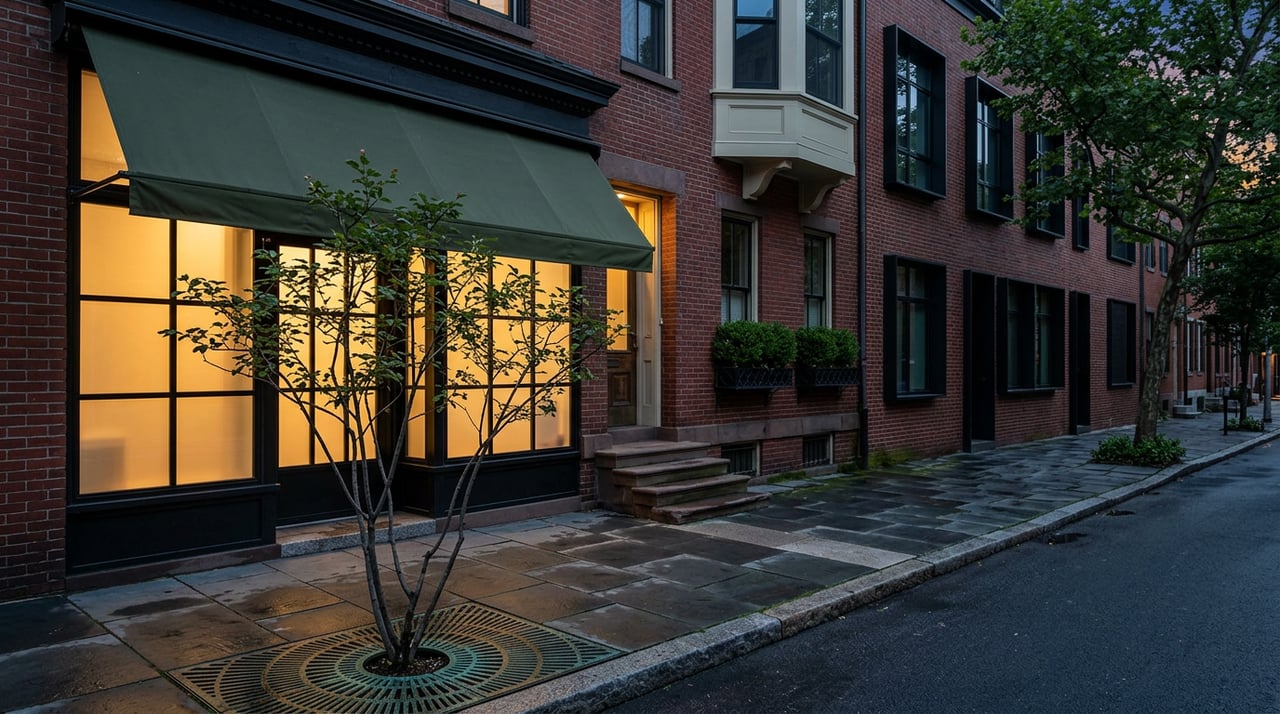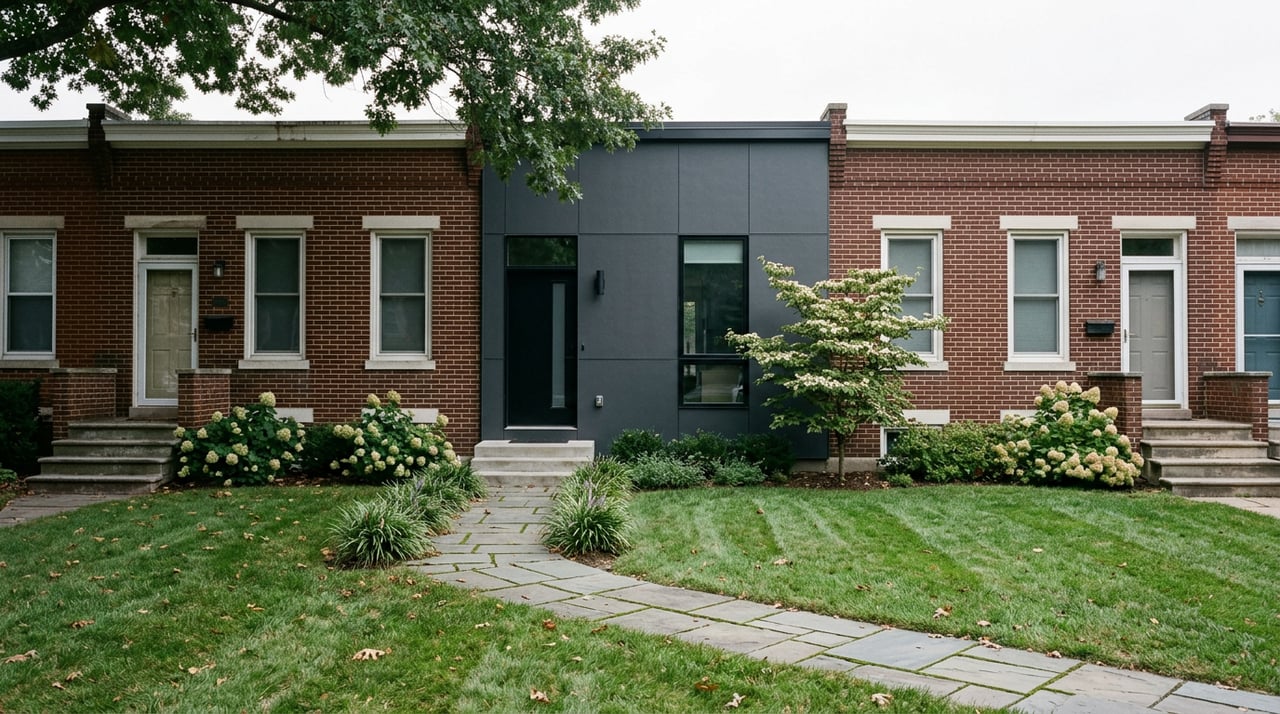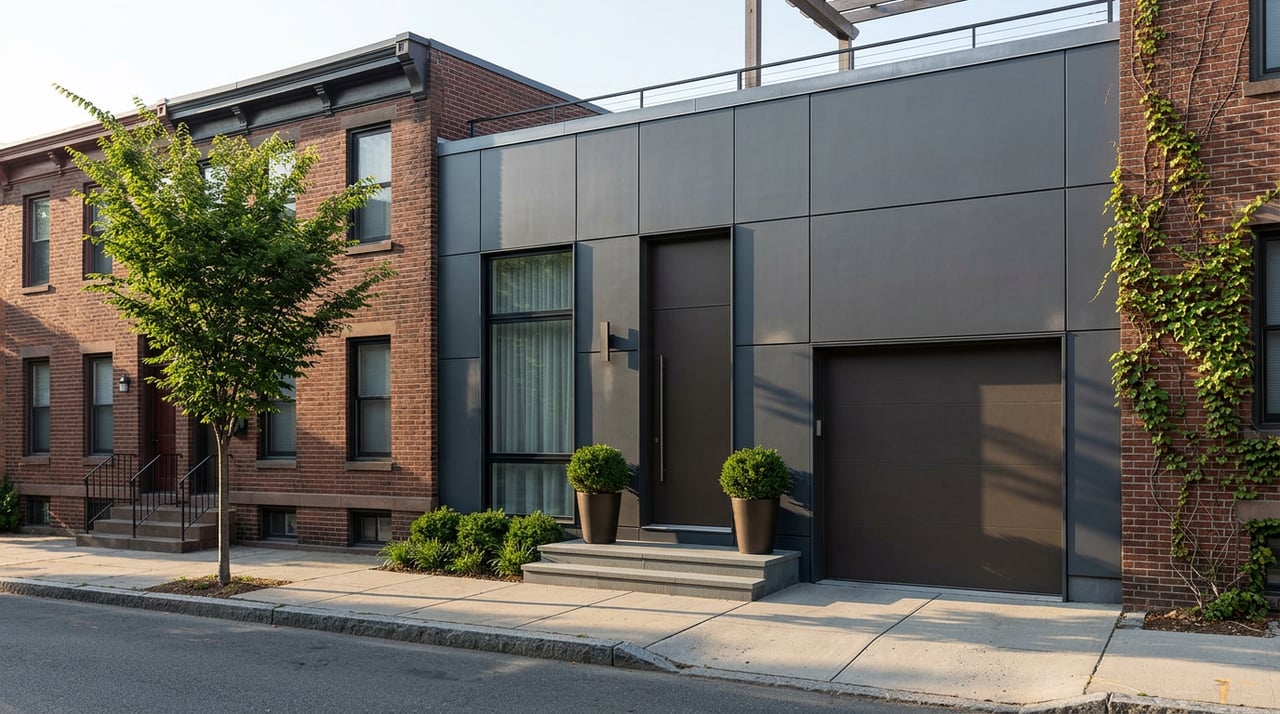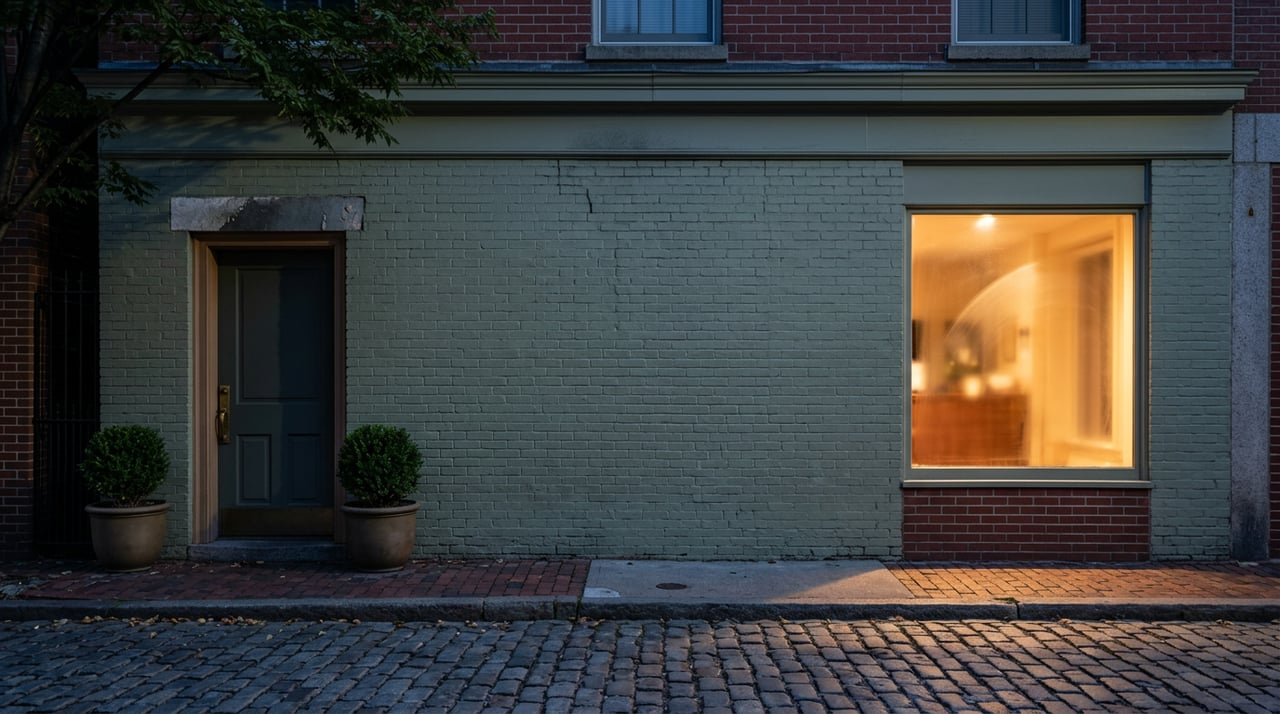
Wondering where to land on the Main Line? That is usually the right question, because the Main Line is not one town. It is a corridor of distinct villages, station areas, and housing pockets, and your experience can change a lot depending on where you choose. If you are relocating to the area, this guide will help you sort through Lower Merion, Radnor, and Tredyffrin so you can match your commute, lifestyle, and housing goals with the right spot. Let’s dive in.
What the Main Line Really Means
The Main Line is best understood as a historic railroad corridor rather than a single municipality. That history still shapes daily life today, with SEPTA service along the Paoli/Thorndale Line and the Norristown High Speed Line playing a major role in how many communities connect.
For you as a relocating buyer, that means the decision is usually not whether to live on the Main Line. It is which village, station area, and housing type fit your routine best. A township can include several very different micro-markets, so the exact spot matters.
Why Your Exact Spot Matters
Two homes can both be on the Main Line and offer very different day-to-day experiences. One may put you near a business district and rail station, while another may be tucked into a quieter residential pocket with a different feel and housing mix.
That is especially true across Lower Merion, Radnor, and Tredyffrin. Places like Ardmore, Wayne, Paoli, Chesterbrook, Bryn Mawr, and Bala Cynwyd each function differently in terms of commute patterns, errands, housing options, and pricing.
Lower Merion: Close-In and Varied
Lower Merion is the closest-in of the three areas covered here, and it offers one of the widest mixes of village centers and housing patterns. The township describes itself as largely residential, with active business districts and village centers that include Ardmore, Bryn Mawr, Bala Cynwyd, Gladwyne, Merion, Penn Wynne, Rosemont, Villanova, and Wynnewood.
That variety shows up block by block. Ardmore is one of the larger commercial districts, Bala Village is pedestrian-oriented, Bryn Mawr serves as a broad village center with a mix of uses, and Gladwyne is described by the township as a small historic hamlet.
Housing in Lower Merion is primarily single-family detached, but not exclusively. Township planning materials note that more than two-thirds of the township is residential and mainly single-family detached, while some corridors include apartments and other housing forms.
Commute access is a major strength here. Key routes include I-76, I-476, City Avenue, Lancaster Avenue, and Montgomery Avenue, and SEPTA service reaches stops such as Merion, Narberth, Wynnewood, Ardmore, Haverford, and Bryn Mawr, with Norristown High Speed Line connections nearby as well.
Current Census figures show a 2025 population estimate of 64,702, an owner-occupied housing rate of 74.7%, a median owner-occupied home value of $810,400, a mean travel time to work of 29.0 minutes, and a median household income of $176,512.
Who Lower Merion Fits Best
Lower Merion can make sense if you want a close-in Main Line location with strong access to rail, major roads, and multiple village centers. It is also a good area to explore if you want clear contrast between more transit-oriented pockets and quieter residential areas.
If your relocation search starts with convenience and flexibility, Lower Merion often deserves a close look.
Radnor: Wayne-Centered and Premium
Radnor has a different feel. Official township materials place a lot of emphasis on Wayne as a central downtown node, and that focus helps shape how the area functions.
The township also has a strong parks and recreation profile. Radnor reports 29 parks and recreational facilities across more than 400 acres, and the Radnor Trail runs 2.4 miles as part of a broader trail network of about 5 miles.
Housing is relatively compact and higher priced. Radnor reported 10,923 housing units from 1990 to 2020, including apartments, with roughly 66% owner occupied, and current Census data shows a 2025 population estimate of 34,130, an owner-occupied housing rate of 65.9%, and a median owner-occupied home value of $833,900.
Transit remains a big part of the appeal. Regional Rail stops include Radnor, Villanova, St. Davids, and Wayne, while the Norristown High Speed Line includes Radnor South and Villanova South. Township materials also highlight access to I-476 and Route 30.
Market data points to a premium price environment. A March 2026 Radnor Township market snapshot showed a median sale price of $1.25 million and median days on market of 30.
Who Radnor Fits Best
Radnor may be the right fit if you want a strong town-center feel, convenient rail access, and a setting with substantial recreational amenities. It can also appeal if you are looking for a more compact and organized day-to-day environment centered around Wayne.
Because pricing can be high, it is especially important here to compare property type and location carefully. A detached home, townhome, or condo can play very differently even within the same township.
Tredyffrin: Western Main Line and Space Tradeoffs
Tredyffrin offers a more western Main Line orientation and a different commute equation. The township describes itself as a gateway to Chester County and highlights access to Routes 202, 76, and 30, plus the Pennsylvania Turnpike.
This can be helpful if your work or daily travel patterns depend more on road access. Buyers also often search by postal place names here, including Berwyn, Chesterbrook, Devon, Paoli, Valley Forge, and Wayne.
The housing mix is broader than many buyers expect. The township comprehensive plan notes that Chesterbrook includes single-family detached homes, townhouses, multifamily buildings, and deeded open space, while almost 54% of homes across the township are single-family detached.
Tredyffrin also includes several mixed-use areas. Paoli is framed as a mixed-use village centered on the train station, while Devon, Strafford, and the Berwyn-Daylesford corridor are treated as active areas with pedestrian and redevelopment goals.
Regional Rail access remains strong, with important stops including Daylesford, Berwyn, Devon, Strafford, and Paoli. That makes Tredyffrin worth considering if you want train access but are comfortable being farther west than Lower Merion or Radnor.
Current Census figures show a 2024 population estimate of 32,067, an owner-occupied housing rate of 74.3%, a median owner-occupied home value of $709,700, a mean travel time to work of 25.5 minutes, and a median household income of $162,194. A March 2026 Berwyn market snapshot showed a median sale price of $687,000.
Who Tredyffrin Fits Best
Tredyffrin often works well if you want a wider range of detached-home and townhome options, stronger highway access, and a more western Main Line location. For some buyers, it can also represent a better value-for-space tradeoff compared with closer-in Main Line pockets.
If your relocation priorities include square footage, road access, and flexibility across different housing types, this area belongs on your shortlist.
Compare Like With Like
One of the biggest mistakes relocating buyers make is relying too much on broad averages. Township-level numbers can hide major differences from one village or station area to the next.
Recent market snapshots make that clear. In March 2026, Lower Merion's 19083 market showed a median sale price of $515,000, Lower Merion's 19096 market showed $920,000, Radnor Township showed $1.25 million, and Berwyn showed $687,000.
Those numbers are not direct township-to-township comparisons, but they do show how much pricing can vary within the same corridor. The best approach is to compare detached homes with detached homes, townhomes with townhomes, and condos with condos, ideally in the same village or station area.
A Simple Relocation Search Plan
If you are moving from out of town, a step-by-step approach can make the Main Line easier to navigate. In this market, a practical search order usually works best.
1. Choose Your Commute Axis
Start with how you expect to move through the region most days. Rail access may point you toward station-centered areas, while road access may make western or highway-connected pockets more practical.
2. Pick Your Lifestyle Node
Once the commute is clear, narrow your search to the places that fit your daily rhythm. Good examples include Ardmore, Bala Cynwyd, Bryn Mawr, Wayne, Villanova, Paoli, Berwyn, Devon, and Chesterbrook.
3. Narrow by Housing Type
After that, focus on the housing form that matches your needs. On the Main Line, the difference between a detached home, townhome, condo, or apartment-oriented pocket can be significant in both lifestyle and pricing.
4. Verify the Details
Before you tour seriously or build a move timeline, confirm the practical items by address. That includes school assignment, parking, and rail logistics.
Lower Merion School District serves Lower Merion Township and Narberth Borough. Radnor Township identifies the School District of Radnor Township as a draw for new residents, and Tredyffrin has its own district structure through Tredyffrin/Easttown School District.
The Best Main Line Spot Is Personal
There is no single best place on the Main Line for every relocation buyer. The right answer depends on how you weigh commute, housing type, village feel, and budget.
That is why local guidance matters so much here. The corridor is highly navigable, but the differences between villages are meaningful, and a smart search usually starts with the right micro-market rather than a broad township label.
If you are planning a move to the Main Line and want a clear, process-driven way to narrow your options, Reid Rosenthal can help you compare the right locations, housing types, and timing for your relocation.
FAQs
What is the Main Line in Pennsylvania?
- The Main Line is a historic railroad corridor rather than a single town, and today it is still shaped by communities along SEPTA's Paoli/Thorndale Line and the Norristown High Speed Line.
Which Main Line area is closest to Philadelphia?
- Lower Merion is the closest-in area discussed here, with strong access to major roads, Regional Rail stops, and multiple village centers.
Is Radnor more expensive than other Main Line areas?
- Based on the research provided, Radnor is positioned at a premium price point, with a March 2026 median sale price of $1.25 million in the township market snapshot.
Does Tredyffrin offer more space for the money?
- Tredyffrin is often seen as a value-for-space tradeoff relative to some closer-in Main Line locations, especially for buyers comparing detached homes and townhomes.
How should relocating buyers compare Main Line towns?
- Start with commute needs, then narrow by village or station area, then compare similar property types, and finally confirm details like school assignment, parking, and rail access by address.
Why do Main Line home prices vary so much?
- Prices vary because the Main Line includes different villages, transit access points, housing types, and commercial areas, so township-wide averages may hide major block-by-block differences.