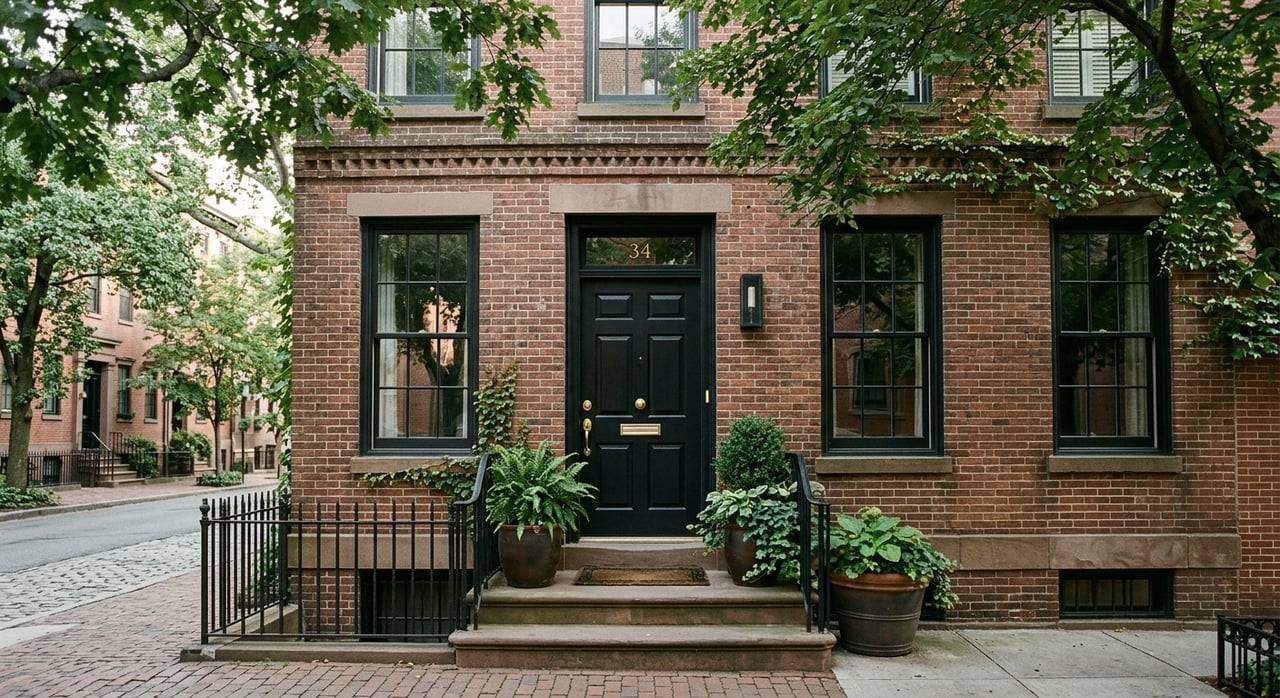
If you are shopping for a townhome in Society Hill, charm alone should not make the decision for you. This is one of Philadelphia’s most visually distinctive historic areas, and listings can look similar at first glance while offering very different conditions, layouts, and renovation histories. When you know what to study before and during a showing, you can weigh character, upkeep, and long-term value with much more confidence. Let’s dive in.
Society Hill homes vary more than you may think
Society Hill is a Philadelphia Historical Commission historic district, and its housing stock is not limited to one era or one style. Public district records describe many properties as 2½- to 3½-story brick rowhouses in Georgian, Federal, and Greek Revival styles, often with details like marble stoops, pedimented dormers, and formal door surrounds.
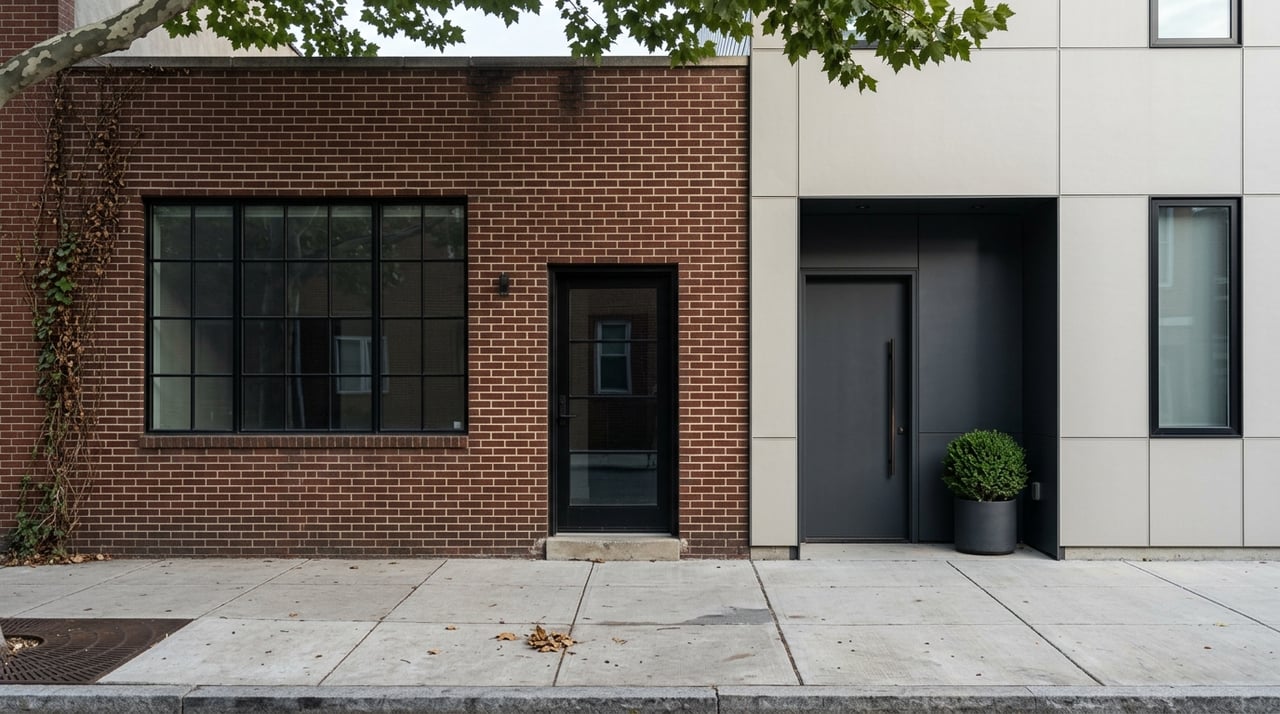
At the same time, the district also includes mid-20th-century courts, rowhouses from the redevelopment era, and newer infill homes. That means a townhome in Society Hill may be an original-era house, a carefully renovated historic property, or a later home with a very different layout and exterior detailing.
For you as a buyer, that block-by-block variation matters. It affects everything from floor plan and storage to maintenance needs, outdoor space, and the kind of updates that may be possible later.
Start with the front facade
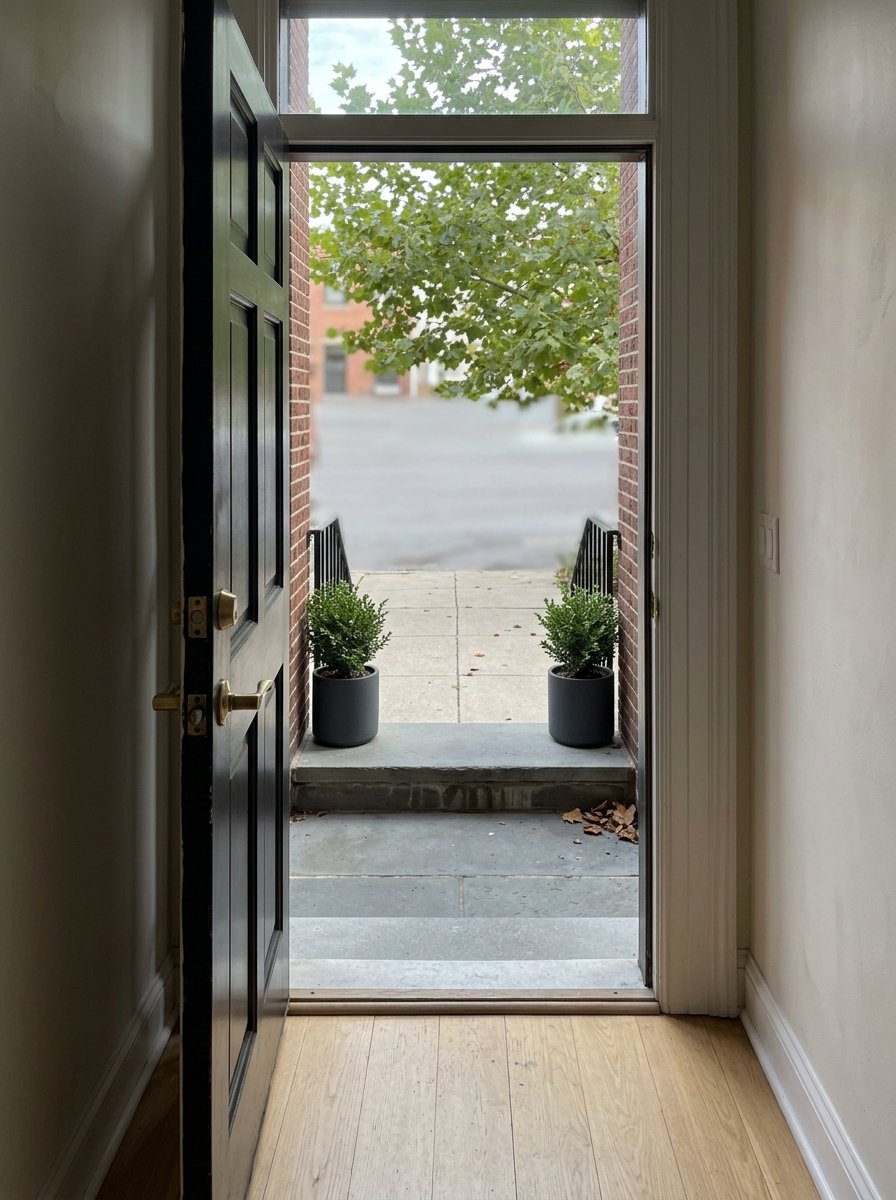
In Society Hill, the front elevation often carries the strongest historic character. Listing photos and in-person showings should give you a clear look at the masonry, window openings, shutters, cornices, stoops, lintels, and door surrounds.
You are not just looking for beauty. You are also looking for whether repairs appear consistent with the building’s proportions and materials, or whether changes seem oversized, out of scale, or visually disconnected from the original facade.
Philadelphia’s rowhouse guidance treats windows, roofs, stoops, and masonry as core maintenance areas. In practical terms, a strong-looking facade may suggest thoughtful upkeep, while mismatched repairs can signal future cost, permit questions, or both.
What to notice in listing photos
Before you schedule a tour, study the exterior closely. Look for signs that the home’s street-facing character has been maintained rather than heavily altered.
A few useful checks include:
- Brick that appears intact rather than coated or aggressively altered
- Windows that keep consistent proportions with the rest of the facade
- Cornices and shutters that look scaled to the house
- Stoops, lintels, and door surrounds that appear well repaired and visually coherent
- Dormers or roofline changes that do not overwhelm the front elevation
Check the rear space carefully
Rear and outdoor spaces can add a lot to a Society Hill townhome, but they deserve close attention. Depending on the property, you may see rear gardens, alley access, courtyard arrangements, backbuildings, or even roof-deck potential.
Photos can tell you quite a bit before you ever walk in. Look at whether the outdoor space feels usable, whether drainage appears well managed, and whether rear additions seem proportionate to the lot.
Privacy also matters. In attached homes, the relationship between your outdoor area and neighboring walls, windows, and additions can shape how functional that space will actually feel once you move in.
Questions to ask yourself outside
When you view the rear of the property, focus on function as much as style. A beautiful patio or deck is only a plus if it works well in daily life.
Use this quick checklist:
- Is the outdoor space large enough to use the way you want?
- Does the grading or drainage raise any concerns?
- Do rear additions feel balanced with the original home?
- Is there evidence of moisture issues near the foundation or lower walls?
- If a roof deck is part of your plan, would future work likely need review or permits?
Compare original detail with renovation history
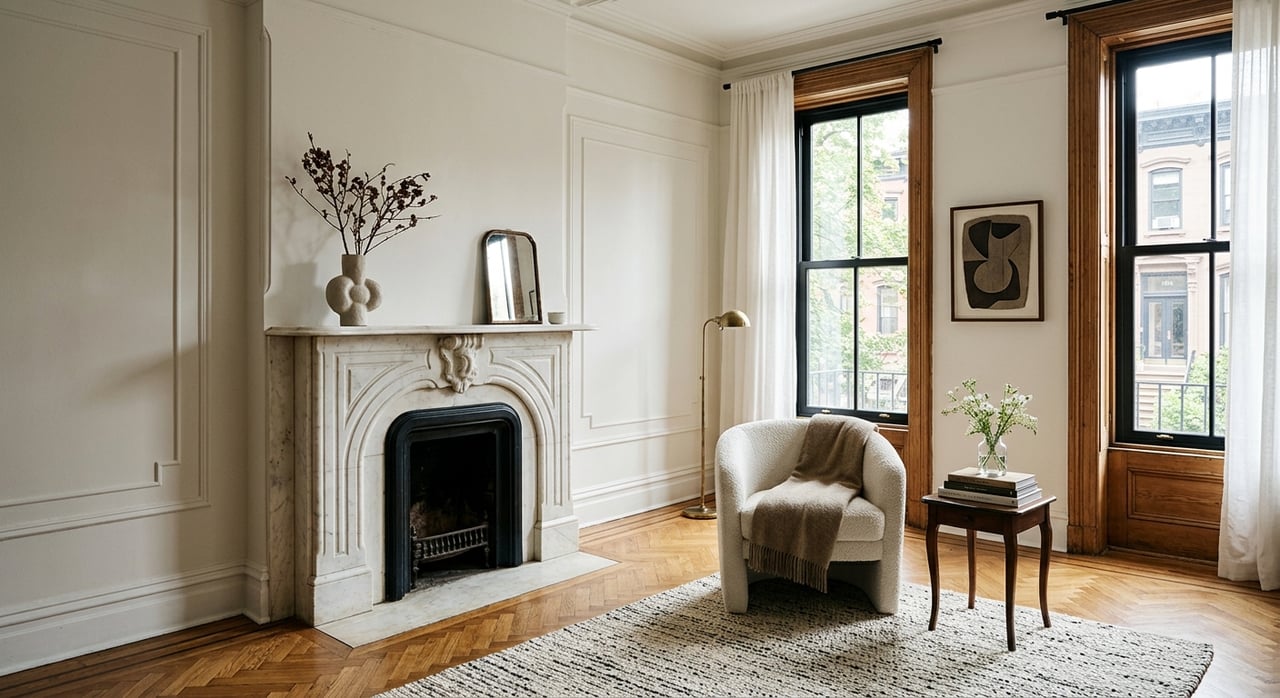
Society Hill’s housing stock reflects decades of rehab and alteration. District records show changes such as new sash, doors, shutters, roof modifications, rebuilt facades, altered dormers, and occasional storefront conversions.
That does not automatically make a home a problem. In many cases, later replacements may be acceptable and practical. The key is understanding the difference between preservation-minded updates and changes that may have pushed too far away from the building’s original character.
As you tour a home, try to separate three things: what appears original, what looks like a compatible replacement, and what may warrant a deeper permit or approval review. That process can help you judge not only aesthetics, but also future flexibility and resale appeal.
Verify permits and property history
One of the smartest steps you can take in Society Hill is to compare the home you see with the city record behind it. Philadelphia’s property tools allow buyers to review permits, licenses, violations, zoning history, assessments, deeds, mortgage history, and recent complaints.
That record can help you confirm whether visible renovation work aligns with authorized work. It can also help you spot whether a polished presentation may be hiding unresolved issues, incomplete projects, or alterations that deserve more questions.
For buyers who like a disciplined process, this is where Society Hill shopping becomes much clearer. A pretty listing is helpful, but a pretty listing with a clean, understandable paper trail is far more reassuring.
Why historic approval matters
For properties listed on the Philadelphia Register of Historic Places, Philadelphia Historical Commission approval is required before Licenses and Inspections may issue a building permit. The city notes that many of these reviews now run through the eCLIPSE process.
If you plan to renovate after closing, this matters right away. Prior exterior work may have required historical review, and future changes such as facade work, additions, roof decks, or major exterior repairs may also need that review path.
In short, do not assume that because something looks possible, it will be simple to approve. In Society Hill, the strongest buying decisions usually come from pairing design vision with permit reality.
Pay close attention to water and structure
Philadelphia’s rowhouse guidance flags roof drainage, downspouts, and basement moisture as recurring issues. In attached homes, small water-management problems can turn into bigger expenses if they are ignored over time.
Basements deserve extra care in Society Hill. The city notes that most rowhouses have basements at the same level, and that excavation can undermine a shared party wall. The same guidance also warns that roof leaks and water penetration can weaken structural connections.
When you walk through a basement, look closely at dampness, cracks, staining, and signs of past structural alteration. In a neighborhood with older housing stock and shared walls, these details can carry more weight than a stylish kitchen finish.
Key structural and moisture clues
During showings and inspections, keep an eye out for:
- Damp or musty basement areas
- Cracking near foundation walls or party walls
- Water staining on ceilings or basement masonry
- Downspouts or roof drainage that seem poorly managed
- Evidence of major excavation or structural changes
Do not overlook lead paint disclosure
Many Society Hill townhomes were built long before 1978, which makes lead paint diligence especially important. For most housing built before 1978, federal law requires disclosure of known lead-based paint and lead hazards, delivery of the EPA pamphlet, and a 10-day opportunity for a buyer to conduct a paint inspection or risk assessment.
Public health guidance also notes that homes built before 1978 are likely to contain some lead-based paint, with dust risks often tied to high-wear areas like windows, doors, floors, porches, and stairways. In older Philadelphia homes, those surfaces are common and deserve a serious look.
This is not about creating fear. It is about understanding the age of the housing stock and making sure your due diligence matches the property you are buying.
Review flood and drainage conditions
Flood risk is another smart check, especially if a home has a basement or lower-level living area. The City of Philadelphia says Atlas can show whether a property is in a floodplain, and FEMA remains the official public source for flood hazard information.
Even when a property is not in a mapped floodplain, drainage still matters. The same rowhouse guidance that applies to maintenance also highlights roof drainage, downspouts, and basement moisture as recurring issues in Philadelphia homes.
For buyers, the takeaway is simple. You want to understand both official flood information and the day-to-day water behavior of the property itself.
Focus on preservation-friendly value
In Society Hill, the best upgrades are often the ones you notice the least from the street. Philadelphia’s rowhouse guidance recommends saving original windows when possible, using matching or carefully chosen replacements, and considering interior storm windows when the goal is better energy performance without changing the exterior appearance.
The city also advises against sandblasting brick and against using non-breathable coatings on masonry. Roof penetrations and drainage should be managed carefully as well.
For you as a buyer, this points to a simple idea: long-term value often comes from improvements that enhance comfort and function while keeping the home’s facade rhythm, openings, and materials intact. In a historic district, thoughtful restraint can be a real asset.
A smart Society Hill buying framework
When you compare Society Hill townhomes, try to look at each property through three lenses at once: character, condition, and documentation. The best fit is not always the one with the most dramatic photos. It is often the one that balances curb appeal, functional outdoor space, manageable maintenance, and a clean renovation record.
That kind of evaluation takes more than a quick tour. It takes a process, local context, and careful attention to details that may not stand out on the first visit.
If you want a clear plan for evaluating Society Hill townhomes, Reid Rosenthal can help you compare properties with the discipline and local insight this historic market deserves.
FAQs
What should buyers check first in a Society Hill townhome?
- Start with the front facade, then review outdoor space, basement condition, renovation history, and the property’s permit and violation record.
Why do permits matter when buying in Society Hill Philadelphia?
- Because properties on the Philadelphia Register of Historic Places may need Historical Commission approval before Licenses and Inspections can issue certain building permits, especially for exterior work.
Are all Society Hill townhomes original historic houses?
- No. Society Hill includes original-era rowhouses as well as mid-20th-century redevelopment homes, courts, and newer infill properties.
What basement issues should buyers watch for in Society Hill rowhomes?
- Look for dampness, cracking, staining, drainage problems, and signs of structural changes that could affect shared walls or basement stability.
How should buyers evaluate renovations in a Society Hill home?
- Compare visible updates with the property’s city record to see whether work appears authorized and whether changes preserved the home’s overall proportions and character.
What outdoor features matter most in a Society Hill townhome?
- Focus on usable rear space, privacy, drainage, and whether additions or deck-related changes appear balanced and likely to fit the property’s historic context.