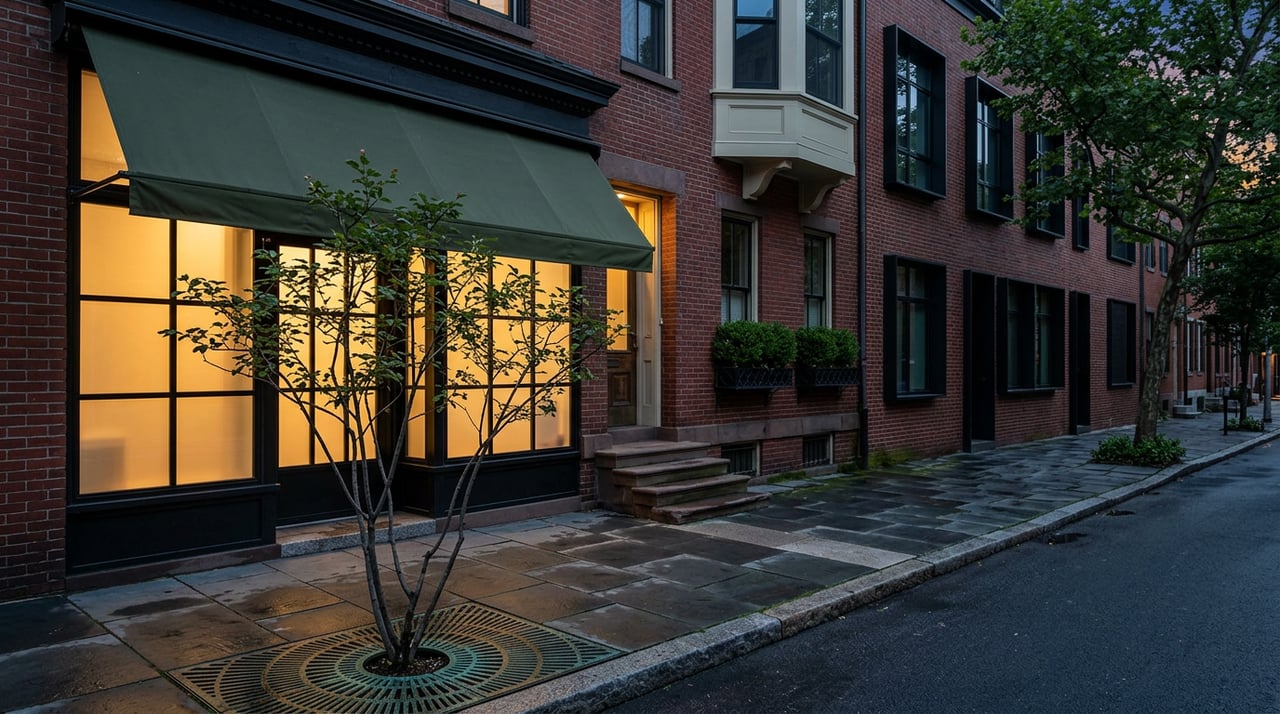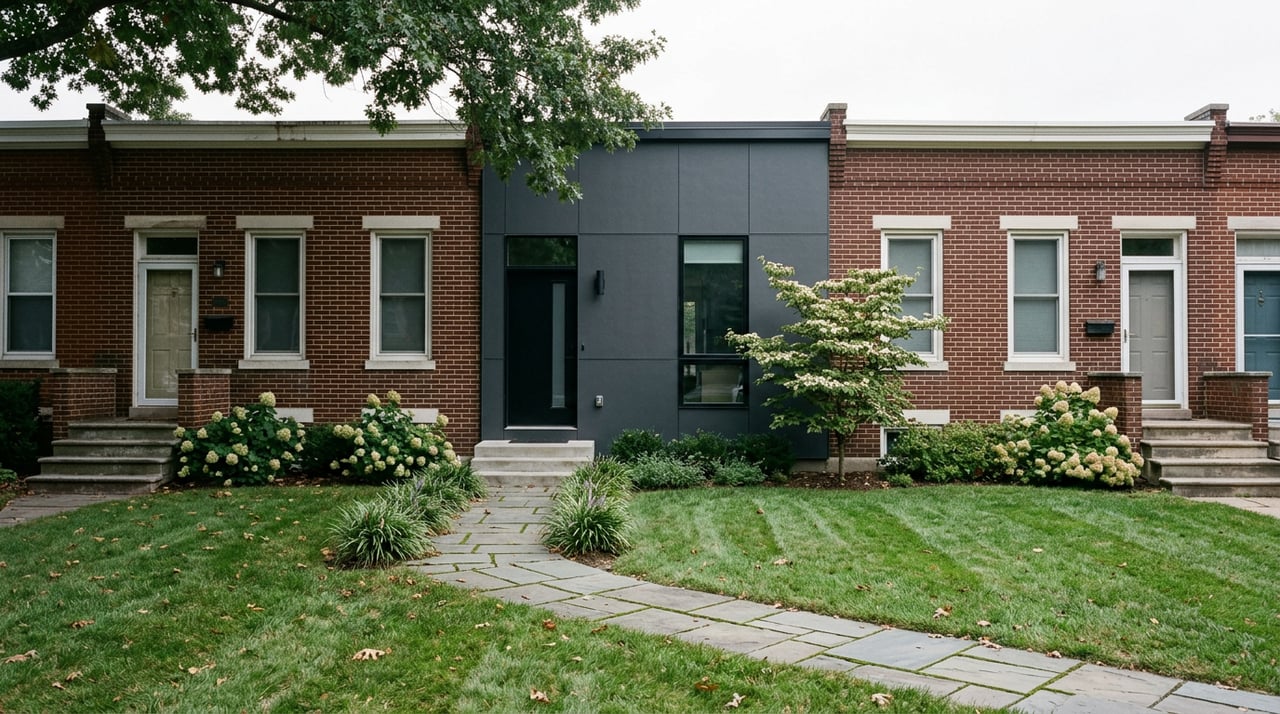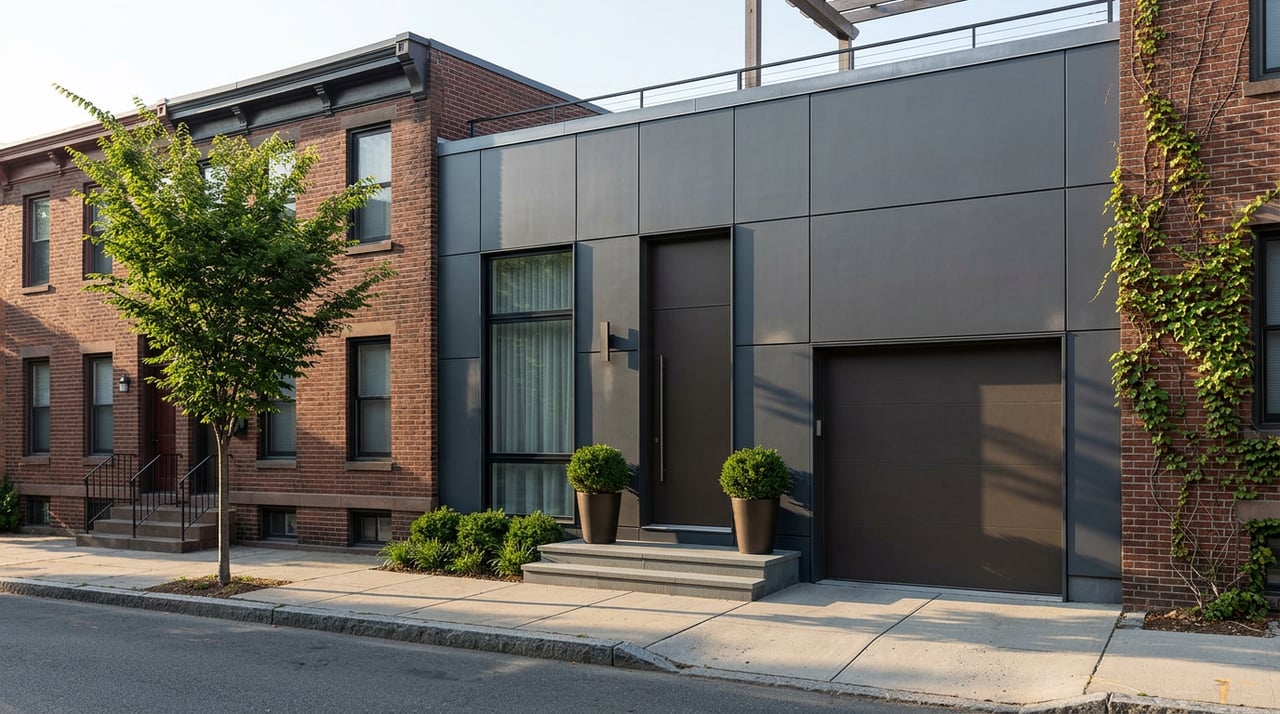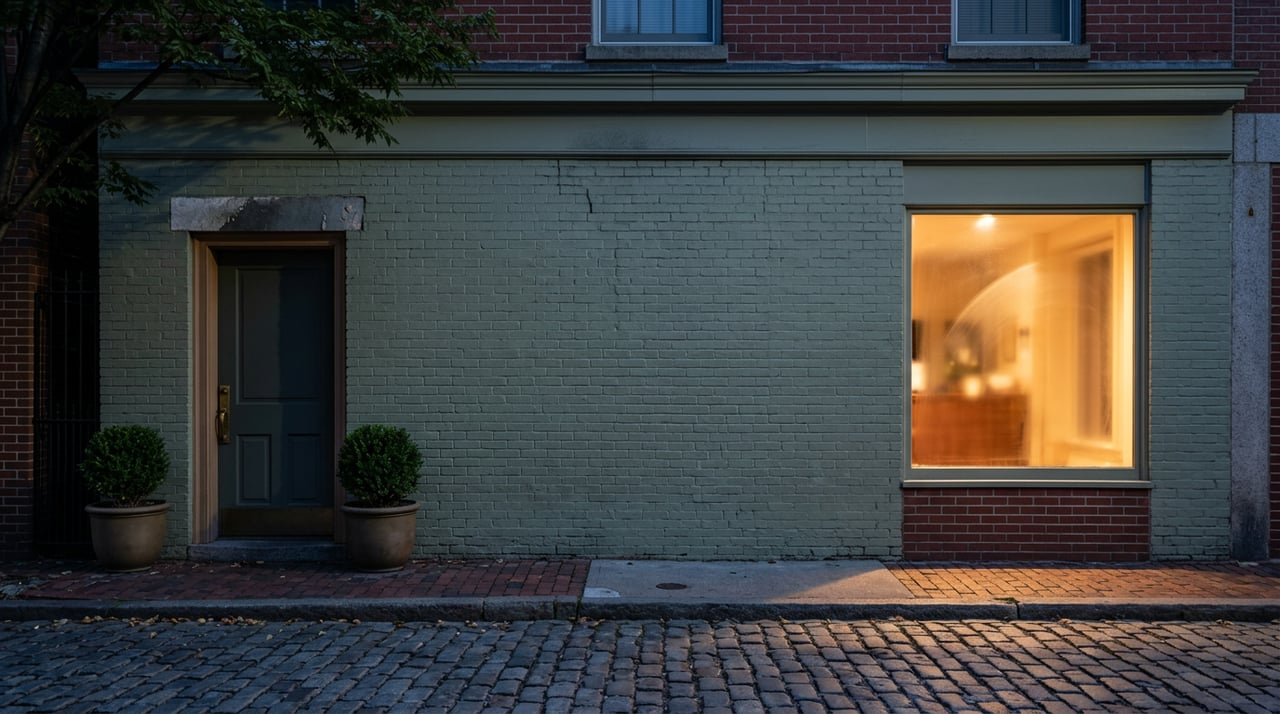
If you are selling a historic home in Old City, the details matter more than most owners expect. Buyers are often drawn to character, original materials, and the story of the property, but they also want clarity about condition, approvals, and what historic status really means. With the right prep, you can protect value, avoid surprises, and present your home with confidence. Let’s dive in.
Know Your Home’s Historic Status
Not every older home in Old City is treated the same. Philadelphia’s local historic register is separate from the National Register of Historic Places, so your first step is to confirm whether your property is individually designated, contributes to the local historic district, or both.
That distinction matters because Philadelphia Historical Commission review applies to properties on the Philadelphia Register of Historic Places. If your home is on that register, approval is required for changes that need a building permit or alter the exterior of the building or site.
For most sellers, this is less dramatic than it sounds. The Philadelphia Historical Commission says its role is to manage change, not stop it, and most reviews focus on facades, roofs, and other exterior features. The review itself is also free.
Understand What Triggers Review
One of the biggest mistakes sellers make is treating pre-listing work like a standard cosmetic refresh. In Old City, certain projects can trigger review, so it is smart to separate ordinary maintenance from work that may need approval.
Common review-triggering work can include:
- Replacing windows or doors
- Reroofing
- Masonry cleaning or repointing
- Adding security features
- Building additions
- Painting a facade
At the same time, many routine tasks are generally not reviewable. Standard maintenance often includes scraping and painting wood trim, cleaning gutters, and replacing clear window glass.
This matters because rushing into the wrong project can delay your listing timeline. A disciplined pre-listing plan helps you improve presentation without creating avoidable compliance issues.
Take a Preservation-First Approach
In Old City, preservation guidance favors maintenance over repair, repair over replacement, and replacement in kind over changing the building’s appearance. That principle should shape how you prepare your home for market.
For sellers, this often means the best return comes from showing careful stewardship rather than over-modernizing. Buyers looking at historic homes usually respond well to original details that have been maintained thoughtfully.
If a feature can be repaired instead of replaced, that may support both presentation and buyer confidence. When replacement is necessary, keeping the appearance consistent with the home’s character can help preserve appeal.
Document Every Meaningful Update
Historic-home buyers tend to ask more questions, and good documentation makes your answers stronger. If you have completed major work, it helps to assemble permits, approvals, contractor receipts, warranties, and before-and-after photos before the home hits the market.
That kind of file is not just paperwork. It tells a clear story that the home has been maintained with care and that updates were handled responsibly.
The Philadelphia Historical Commission notes that the review process may require drawings, photographs, or other documentation. Staff can also advise owners on preservation techniques, which can be useful if you are deciding how to handle pre-sale improvements.
Don’t Assume You Must Restore Everything
Many sellers worry that historic status means they must return the property to its original condition before selling. In most cases, that is not true.
The Philadelphia Historical Commission says existing non-historic alterations made before designation are generally grandfathered. For example, if a property already has non-historic windows, the owner is not automatically required to restore them unless the owner later chooses to replace them.
That can reduce stress and help you focus on the work that actually matters to a sale. The better strategy is usually to verify what exists, understand what is allowed, and present the home honestly and clearly.
Prepare for Disclosure Questions Early
Historic homes often come with a deeper due diligence process, so early preparation helps. In Pennsylvania, sellers must disclose all known material defects that are not readily observable.
The state disclosure form defines a material defect as a problem that would have a significant adverse impact on value or create an unreasonable risk to people on the property. In a historic home, that can mean known roof issues, water intrusion, masonry movement, aging systems, or unpermitted work that could affect the transaction.
The goal is not to alarm buyers. The goal is to reduce last-minute surprises that can slow negotiations or weaken trust.
Address Lead Paint and Older-Home Concerns
If your home was built before 1978, lead-based paint disclosure rules generally apply to the sale. Sellers must disclose known lead-based paint information before the sale contract is signed.
This is especially relevant in Old City because older housing stock is more likely to contain lead-based paint. According to the EPA, 87% of homes built before 1940 and 24% of homes built from 1960 to 1978 contain some lead-based paint.
The key issue is usually deteriorating paint. If painted surfaces are peeling or damaged, buyers may ask follow-up questions, and any repair work that disturbs painted surfaces should be handled carefully.
Philadelphia Water Department guidance adds another practical point for sellers of older homes. Buyers may also ask about potential lead service lines, so it is worth gathering any information you have before listing.
Build the Right Pre-Listing Team
Selling a historic home often requires a more specialized prep process than selling a typical rowhome or condo. A well-organized seller usually benefits from having the right experts lined up early.
A practical pre-listing team may include:
- Philadelphia Historical Commission staff for review questions
- A preservation-minded contractor or architect for exterior work
- A lead-safe certified renovator if painted surfaces may be disturbed
- A licensed plumber if buyers may ask about a lead service line
This kind of planning supports a smoother timeline. It also helps you avoid rushed decisions that can complicate marketing or contract negotiations.
Market the Home Around Authenticity
When it is time to list, the strongest message is usually not “fully redone.” In Old City, a better approach is often to emphasize authenticity, care, and documented stewardship.
That means highlighting preserved details, visible upkeep, and a clear history of approved work where relevant. Buyers are often drawn to homes that feel thoughtfully maintained rather than generically updated.
The Philadelphia Historical Commission also notes that properties in historic districts often have higher, more stable values. That is not a guaranteed premium for every property, but it does support a positioning strategy centered on character, context, and long-term appeal.
Clear Up Common Seller Misunderstandings
Historic designation comes with a lot of assumptions, and some of them can distract sellers from what really matters. A few facts can make the process much easier to navigate.
First, historic designation is not a factor in property assessment and will not raise taxes, according to the Philadelphia Historical Commission. Second, historic preservation rules do not regulate how the building is used. Use is a zoning matter, not a preservation matter.
Those points are helpful when buyers start asking practical questions. They can also help you frame the home accurately in marketing and disclosure conversations.
Follow a Smart Selling Process
The most effective Old City selling strategy is usually simple and disciplined. Confirm your designation status, separate ordinary maintenance from review-triggering work, preserve original features where feasible, document approved updates, and disclose known issues early.
That process aligns with how buyers typically evaluate historic homes in Philadelphia. It also helps you protect momentum once your property goes live.
Selling a historic home is rarely about doing the most work. It is about doing the right work, presenting it well, and backing it up with a clean, organized story buyers can trust.
If you want a process-driven plan for selling an Old City historic home, Reid Rosenthal can help you prepare, position, and market your property with the level of detail these sales demand.
FAQs
How do I know if my Old City home is historically designated?
- Check whether the property is individually designated, contributes to the local historic district, or both, because Philadelphia’s local register is separate from the National Register of Historic Places.
What work on an Old City historic home usually needs review?
- Work that needs a building permit or alters the exterior of the building or site may require Philadelphia Historical Commission approval, including projects like window replacement, reroofing, repointing, additions, and facade painting.
Can I do normal maintenance before selling a historic home in Old City?
- Yes. Routine maintenance such as cleaning gutters, scraping and painting wood trim, and replacing clear window glass is generally not reviewable.
Do I have to restore my Old City historic home before selling it?
- No. The Philadelphia Historical Commission says earlier non-historic alterations are generally grandfathered, and owners are not usually required to restore features unless they later choose to replace them.
Will historic designation raise property taxes on my Old City home?
- No. The Philadelphia Historical Commission says historic designation is not a factor in property assessment and will not increase taxes.
What should I disclose when selling a historic home in Pennsylvania?
- You should disclose all known material defects that are not readily observable, which can include known roof problems, water intrusion, masonry movement, aging systems, or unpermitted work.
Do lead paint rules apply when selling an older home in Old City?
- If the home was built before 1978, lead-based paint disclosure rules generally apply, and sellers must disclose known lead-based paint information before the sale contract is signed.
Can historic status control how a buyer uses the Old City property?
- No. The Philadelphia Historical Commission says building use is a zoning matter, not a historic-preservation matter.