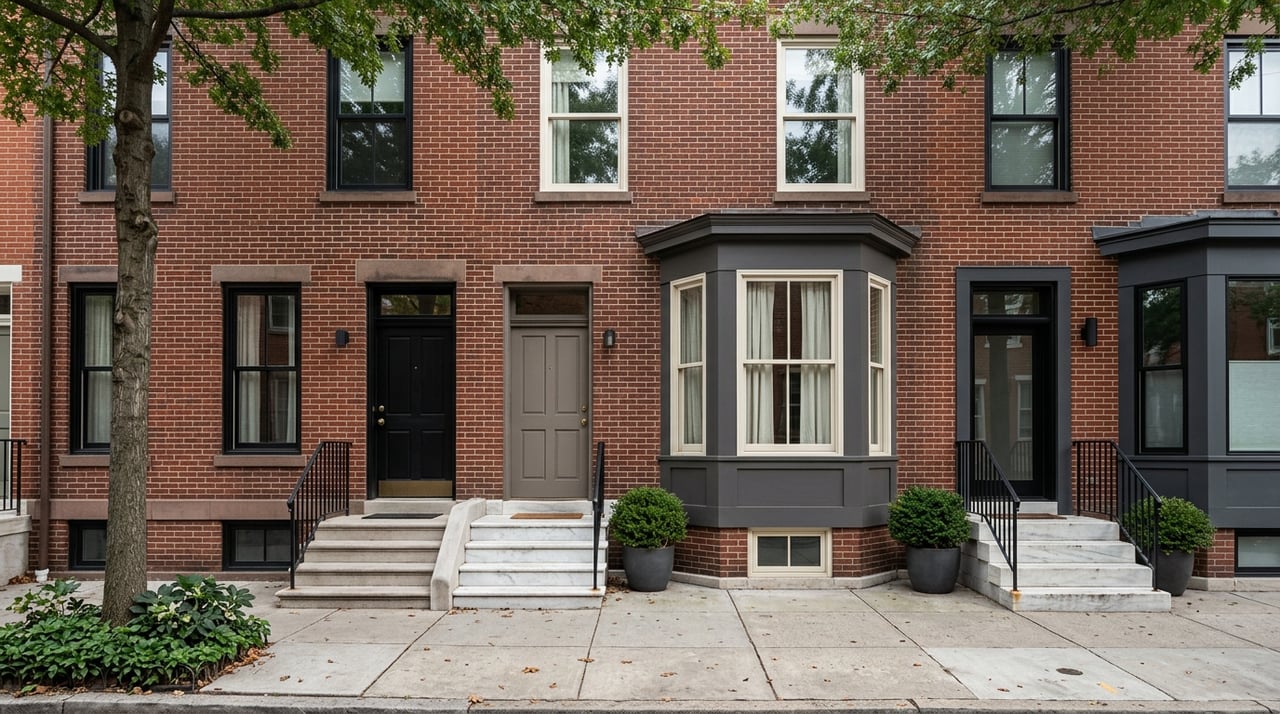
Looking for a Philadelphia neighborhood that feels connected to the city without feeling nonstop? The Art Museum area is often high on buyers’ lists because it blends historic housing, green space, and easy access to major cultural destinations. If you are considering 19130, this guide will help you understand what buyers mean by the area, what the housing mix looks like, how pricing compares, and what day-to-day life may feel like. Let’s dive in.
What Buyers Mean by the Art Museum Area
When people talk about Philadelphia’s Art Museum area, they usually mean Fairmount and Spring Garden first. Many buyers also include nearby Francisville and Brewerytown in the conversation because of their proximity to the Benjamin Franklin Parkway and the Philadelphia Museum of Art.
That matters because the boundary is not perfectly fixed. In practice, 19130 works well as a search area for buyers, even though neighborhood identity can spill across nearby blocks. If you are searching online, it helps to think of the Art Museum area as a practical market pocket rather than one exact map outline.
Why 19130 Appeals to Buyers
The biggest draw is balance. You get a more residential feel than some other close-in Philadelphia neighborhoods, while still staying near major museums, park space, restaurants, and commuting routes.
This part of the city is often described as having tree-lined streets and a neighborhood feel. At the same time, you are close to major destinations like the Philadelphia Museum of Art, the Franklin Institute, the Rodin Museum, and the Barnes Foundation, along with everyday conveniences on and around Fairmount Avenue and Pennsylvania Avenue.
Housing Types You Will See
In 19130, you will find a mix of home styles rather than one single product type. Buyers commonly encounter historic rowhomes, Victorian-era houses, renovated homes, condos, and some higher-density buildings closer to the Parkway.
That variety is one reason the area attracts different kinds of buyers. You may be able to compare a compact condo, a classic rowhome, and a larger updated house all within the same general search. For buyers who want options, that flexibility can be a real advantage.
Historic Homes and Rowhouses
If you love classic Philadelphia architecture, this area gives you plenty to explore. Fairmount is known for its residential character, while Spring Garden is especially noted for Victorian architecture.
For many buyers, that means block-by-block differences matter. Two homes at a similar price point may offer very different layouts, finishes, and exterior style, so it helps to evaluate each property carefully instead of relying only on the neighborhood name.
Condos and Higher-Density Options
Closer to the Parkway and nearby areas such as Logan Square, you will also see condos and larger residential buildings. That can open the door for buyers who want lower-maintenance living or a different price entry point than a full rowhome.
Recent 19130 sales show this range clearly, with one-bedroom homes and condos at lower price points, alongside larger homes and high-end condos that reached well above $1 million. In other words, the Art Museum area is not a one-price neighborhood.
What Homes Cost in 19130
Current pricing gives buyers a helpful starting point. In 19130, the average home value is $433,118, and homes go pending in about 34 days.
Those numbers suggest an active market with meaningful buyer interest. While average value does not tell you what every block or property type will cost, it does provide a strong baseline for planning your search and budget.
How 19130 Compares Nearby
Here is a simple way to frame the current pricing context:
| Area | Average Home Value | Pending Timeline |
|---|---|---|
| 19130 | $433,118 | 34 days |
| Logan Square | $434,241 | Not provided |
| Rittenhouse | $469,131 | 92 days |
| Fishtown | $383,665 | 45 days |
Based on those figures, 19130 is roughly in line with Logan Square, below Rittenhouse, and above Fishtown. For buyers, that can make the Art Museum area feel like a middle ground if you want strong location benefits without pushing into the higher pricing seen in Rittenhouse.
What Daily Life Feels Like
For many buyers, lifestyle is the deciding factor. The Art Museum area stands out because it combines neighborhood living with direct access to some of Philadelphia’s best-known outdoor and cultural assets.
The Philadelphia Museum of Art sits at the head of Fairmount Park, and the larger park system includes trails, public art, historic houses, the Fairmount Water Works, Shofuso, Strawberry Mansion, and the Schuylkill River Trail. If you value being able to step outside and enjoy open space, this is one of the area’s strongest selling points.
Parks and Outdoor Access
Fairmount Park is a major part of the appeal here. The nearby trail network and riverfront access give buyers an option that can be harder to find in more densely built sections of Center City.
That does not just mean recreation on weekends. For many residents, access to trails, scenic routes, and open space becomes part of the daily routine, whether that means walking, biking, or just having more breathing room nearby.
Museums and Local Destinations
The neighborhood is closely tied to Philadelphia’s museum district. SEPTA describes the area as walkable to the Philadelphia Museum of Art, Franklin Institute, Rodin Museum, and Barnes Foundation.
You also have well-known local destinations like Eastern State Penitentiary, plus a restaurant and cafe scene along Fairmount Avenue and Pennsylvania Avenue. So while the area may feel more residential than retail-heavy, it still offers a strong mix of things to do close to home.
Everyday Convenience
A neighborhood does not work for most buyers unless daily errands feel manageable. In Fairmount, that practical side includes local dining and shopping options, including a Whole Foods on Pennsylvania Avenue.
That combination often appeals to buyers who want city convenience without being in a neighborhood defined mainly by nightlife or office towers. It is a lifestyle that feels grounded and livable.
Getting Around the Art Museum Area
Transit is another reason buyers consider 19130. SEPTA lists the Art Museum area as served by routes 49, G, B, 7, 32, 48, 2, 33, and 38, with the B along Broad Street, the G along Girard Avenue, and route 38 stopping at the Philadelphia Museum of Art.
For many buyers, that means the area works well for city commuting, even though it is more bus-oriented than neighborhoods built around a major rail hub. If you want flexibility for getting around Philadelphia, that is an important plus.
Comparing Commute Style Nearby
Compared with Logan Square, the Art Museum area is less centered on rail access like Suburban Station and City Hall. Compared with Rittenhouse, it offers a different mix of mobility, with practical bus service and walkable cultural destinations. Compared with Fishtown, it is less tied to one signature transit spine like the Market-Frankford Line.
The takeaway is simple: 19130 is practical for city living and commuting, but its transit identity is spread across several useful routes rather than one central station.
How the Art Museum Area Compares to Other Buyer Favorites
If you are deciding between several Philadelphia neighborhoods, the Art Museum area helps fill a specific niche. It often feels quieter and more residential than Rittenhouse, more neighborhood-and-park oriented than Logan Square, and less nightlife-driven than Fishtown.
That comparison can be useful if you already know what you do and do not want. If you prefer a polished, retail-heavy environment, you may lean one way. If you want strong park access, historic housing, and a more residential rhythm, 19130 may move higher on your list.
Best Fit for Buyers
The Art Museum area can be a strong fit if you are looking for:
- Historic rowhomes or character-rich older housing
- Condo options mixed into the same broader search area
- Close access to Fairmount Park and the Schuylkill River Trail
- Easy reach to museums and Parkway destinations
- A residential setting with city convenience
It may be especially appealing if you want to stay near Center City without choosing a neighborhood that feels centered mainly on shopping, nightlife, or office activity.
A Smart Way to Search 19130
Because the Art Museum area covers several closely related pockets, your home search should stay flexible. A property in Fairmount may feel different from one in Spring Garden, even if both fall under the same broad buyer shorthand.
A smart search usually starts with your priorities. Think about the tradeoffs between home type, block feel, outdoor access, transit needs, and budget. In a neighborhood with this much variety, a disciplined search process can help you compare opportunities more clearly and move faster when the right fit appears.
If you are exploring the Art Museum area and want a sharper read on pricing, block-by-block fit, and property type strategy, connect with Reid Rosenthal. You will get a process-driven, local perspective that helps you search with more clarity and confidence.
FAQs
What neighborhoods are usually included in Philadelphia’s Art Museum area?
- Buyers usually mean Fairmount and Spring Garden, and many also include nearby Francisville and Brewerytown because of their proximity to the Parkway and the Philadelphia Museum of Art.
What types of homes can buyers find in 19130?
- Buyers in 19130 will commonly see historic rowhomes, Victorian-era houses, renovated homes, condos, and some higher-density residential buildings closer to the Parkway.
What is the average home value in Philadelphia zip code 19130?
- The average home value in 19130 is $433,118, and homes go pending in about 34 days.
How does the Art Museum area compare with Rittenhouse and Logan Square?
- The Art Museum area is often seen as more residential than Rittenhouse and more park-and-neighborhood oriented than Logan Square, while pricing is roughly in line with Logan Square and below Rittenhouse based on current average home values.
What makes the Art Museum area attractive for daily living?
- Buyers are often drawn to the mix of park access, museum proximity, neighborhood dining, practical shopping options, and a residential feel that still supports city convenience.
What transit options serve the Art Museum area in Philadelphia?
- SEPTA lists bus routes 49, G, B, 7, 32, 48, 2, 33, and 38 serving the area, making it a practical location for getting around Philadelphia.