Shopping for a Main Line home where the price climbs beyond the usual mortgage limits? If you are eyeing properties in Lower Merion, Radnor, Tredyffrin, or nearby Montgomery, Chester, and Bucks counties, jumbo financing may be part of your plan. You want clarity on what lenders expect, how rates and points work at higher balances, and how to write a winning offer without adding risk. This guide breaks it all down and shows you how a disciplined process keeps your timeline on track. Let’s dive in.
What is a jumbo loan on the Main Line
Conforming vs. jumbo
A jumbo loan is any mortgage above the conforming loan limit set by the Federal Housing Finance Agency. Conforming loans can be purchased by Fannie Mae or Freddie Mac. Anything above the current limit is considered non‑conforming, or jumbo, and lenders apply different underwriting and pricing.
You should confirm the exact FHFA conforming limit for the current year and your target county. If the loan amount you need is above that threshold, you are in jumbo territory.
Why it matters locally
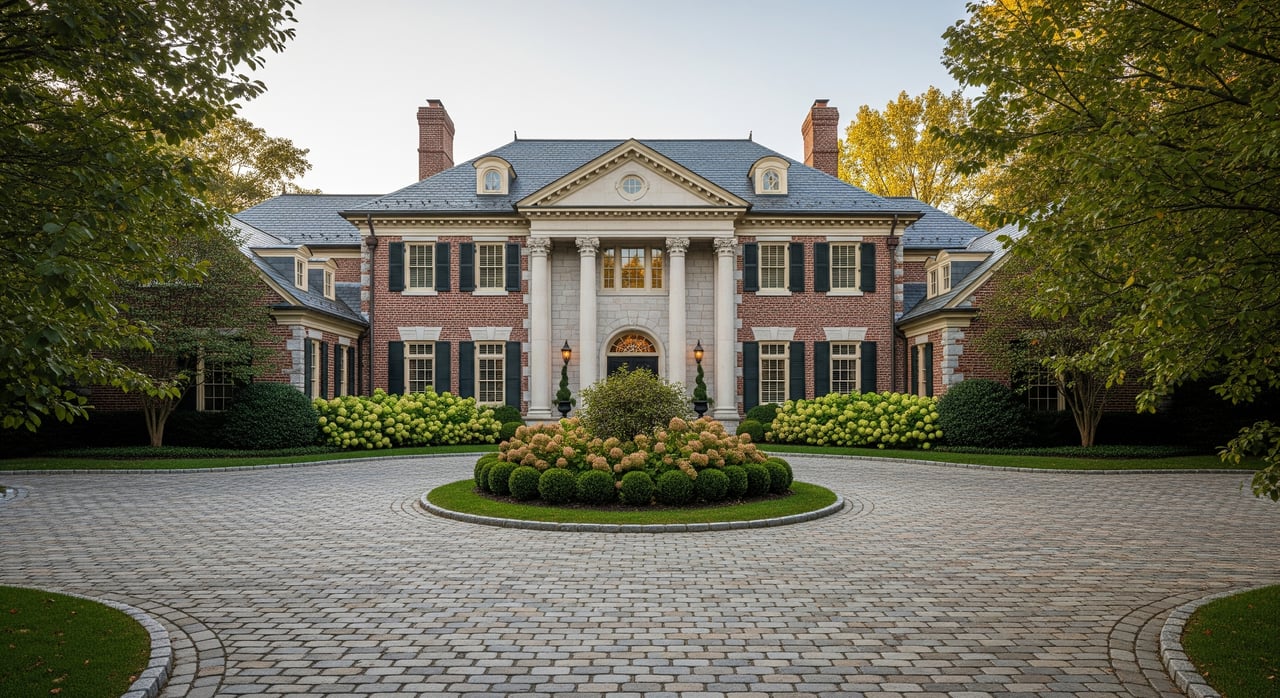
Across the Main Line, many single‑family homes trade at prices that put buyers into jumbo financing. That is especially true in Lower Merion, Radnor, and Tredyffrin, and in parts of Montgomery, Chester, and Bucks counties where high‑value properties are common. If you plan to finance a luxury home, assume your loan may be jumbo unless your budget clearly sits below the current limit.
Jumbo underwriting at a glance
Credit and loan‑to‑value
- Lenders often look for a 720+ credit score for the best jumbo pricing. Some portfolio programs accept lower scores with tradeoffs.
- 20% down (80% LTV) is common for favorable terms. Options above 80% LTV exist through specialty programs, usually with higher rates and tighter rules.
Reserves and debt‑to‑income
- Expect 6 to 12 months of reserves measured as future mortgage payments. Larger loans or non‑traditional profiles may need more.
- A DTI target of 43 to 50% is typical. Strong compensating factors like high credit and substantial assets can help.
Income and assets
- Salaried borrowers should prepare recent paystubs, W‑2s, and two years of tax returns.
- Self‑employed buyers usually provide two years of personal and business returns. Some non‑QM or portfolio programs accept 12 to 24 months of bank statements or a P&L in place of traditional tax docs.
- Lenders review 60 to 120 days of bank and investment statements, verify sources of large deposits, and document any gift funds with letters and donor statements.
Appraisal, valuation, and title
- Jumbos typically require a full appraisal. Luxury or unique homes may need a second review or additional comps.
- Title, homeowners insurance, and escrow requirements are standard, with higher balances and coverage levels due to the property value.
Rates, points, and pricing dynamics
How jumbo rates compare
Jumbo rates are often close to conforming rates for well‑qualified buyers. The spread shifts with market conditions, lender appetite, and your profile. In tighter credit cycles, spreads can widen.
Lenders price jumbo loans based on your credit score, loan size, LTV, occupancy type, documentation, and asset quality. Your exact rate depends on this full picture, not just one number.
When to consider points and buydowns
You can pay discount points to lower your rate. Since a point is a percentage of the loan amount, the dollar cost on a jumbo can be significant. Weigh the upfront cost against your time horizon in the home and the monthly savings.
Temporary buydowns, like 2‑1 structures, can be negotiated in some deals. If you are considering seller credits or buydowns, confirm the program’s limits and make sure your purchase contract reflects the correct contributions.
Lock strategy and timing risk
Rate locks can come with stricter rules and higher extension fees at jumbo sizes. Appraisal or underwriting delays may make extensions costly. Talk with your lender early about an early‑lock plan, the documentation needed to lock, and contingencies in your contract to protect your timeline.
Make your high‑balance offer stronger
Go beyond preapproval
A standard prequalification is not enough for a competitive Main Line listing. Aim for a pre‑underwrite or conditional approval where an underwriter has already reviewed your file. Ask your lender for a cover letter summarizing credit strength, down payment, reserves, and any remaining conditions.
Show funds and reserves clearly
Present clean proof of funds for your down payment and reserves. If proceeds will come from the sale of another property, include the signed contract and contact details for the title company or attorney handling closing. If you plan to draw from retirement or other accounts, document any penalties and net proceeds.
Tight but realistic financing timelines
Shorter financing and appraisal deadlines can help you stand out, but only if they are realistic. Coordinate with your lender and your agent so appraisal ordering, underwriting, and rate lock timing align. Set milestone dates you can hit without adding risk.
Deposit, contingencies, and bridge options
A stronger earnest money deposit signals commitment. You can remove or shorten contingencies after you complete a thorough lender review. If you need equity from your current home to buy, consider a bridge loan or HELOC strategy so you can move forward without a home‑sale contingency.
Appraisal strategy for luxury homes
Work with your agent to prepare a comps packet that highlights relevant Main Line sales, renovations, lot characteristics, and amenities. Get the appraisal scheduled right away after ratification. For unique estates or thin‑comp markets, be ready for an additional review.
A step‑by‑step jumbo checklist
Buyer prep before you write an offer
- Underwriter‑reviewed preapproval or conditional approval letter.
- Recent credit report and a short note addressing any inquiries.
- 60 to 120 days of bank and investment statements showing seasoned funds.
- Two years of tax returns and W‑2s, or business returns and bank statements if self‑employed.
- Employer verification contact details and recent paystubs.
- Proof of sale proceeds or a bridge financing approval if applicable.
- Gift letters and donor documentation if using gift funds.
How our team coordinates your file
- We connect you with preferred jumbo lenders and ensure a named loan officer and processor are assigned.
- We request an underwriter review timeline and what conditions remain prior to offer.
- We build a comps package tailored to the property and support the appraisal with clean data.
- We map a milestone‑managed schedule for inspections, appraisal ordering, financing contingency removal, and closing.
- We confirm appraisal access and turn times, and we recommend ordering early once under contract.
A typical Main Line jumbo timeline
- Day 0: Contract ratified; loan package submitted.
- Days 1–5: Lender issues or updates preapproval; appraisal and title are ordered.
- Days 5–14: Appraisal inspection and report; lender gathers any remaining docs.
- Days 14–28: Underwriting review and conditional approval; most conditions cleared.
- Days 21–45: Clear to close; final walkthrough and closing scheduling. Complex files can reach 30–60 days.
Plan for appraisal and underwriting as the main bottlenecks. The more complete your documentation on day one, the smoother your path to closing.
Final thoughts
Jumbo financing on the Main Line rewards preparation. When you understand lender expectations, right‑size your rate and points strategy, and present a file that is pre‑underwritten with clear reserves, you gain leverage in a competitive market. Pair that with a tight, realistic timeline and a smart appraisal plan, and your jumbo offer becomes easier for sellers to accept.
If you are exploring a Main Line purchase or sale that will involve jumbo financing, let’s map your plan. Schedule a Free Consultation with Reid Rosenthal to align your lending strategy, timeline, and offer strength.
FAQs
What makes a loan “jumbo” on the Main Line?
- A loan that exceeds the FHFA’s current conforming limit for your county is considered jumbo, which triggers different underwriting and pricing standards.
How much do I need to put down for a jumbo loan?
- Many lenders offer the best terms at around 20% down, with additional months of reserves and closing costs required based on your profile.
Are jumbo rates much higher than conforming rates?
- Not always; in competitive markets, top‑tier borrowers may see rates close to conforming levels, though spreads can widen in tighter credit cycles.
What reserves do jumbo lenders typically require?
- Expect 6 to 12 months of reserves measured as mortgage payments, with higher requirements possible for larger loans or non‑traditional income.
Can I use proceeds from selling my current home?
- Yes, with documentation such as a signed sale contract and settlement details; a bridge loan or HELOC can help if timing is tight.
How can I make my financed offer compete with cash?
- Secure an underwriter‑reviewed conditional approval, present strong proof of funds and reserves, increase earnest money, and shorten realistic contingencies.
How long does a jumbo loan take to close on the Main Line?
- Many close in 30 to 45 days, though unique properties or complex files can take 60 days; appraisal scheduling and underwriting completeness drive the timeline.