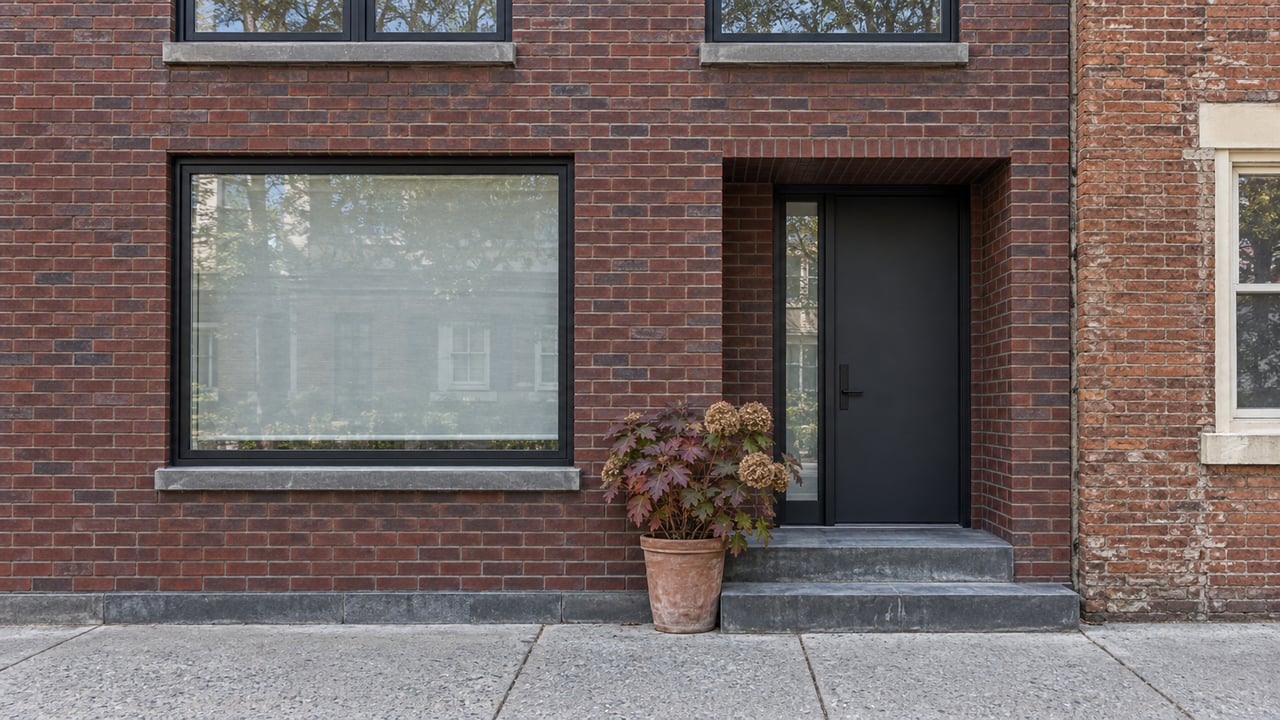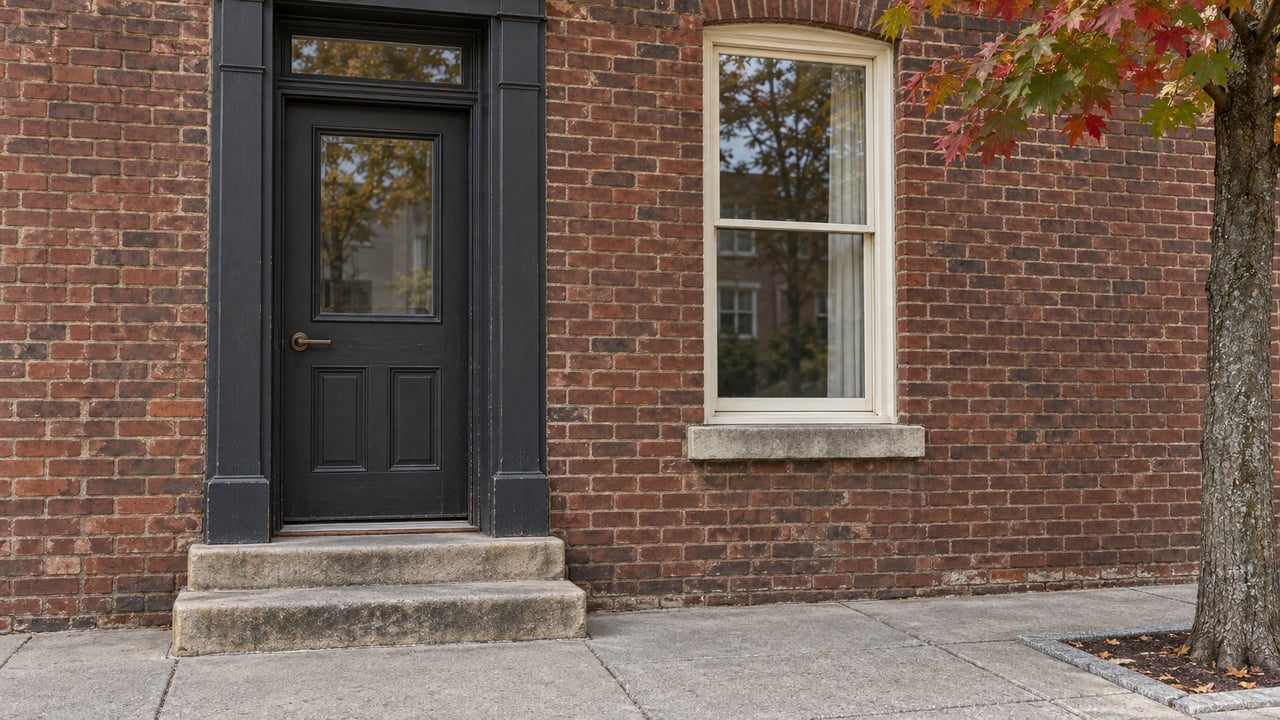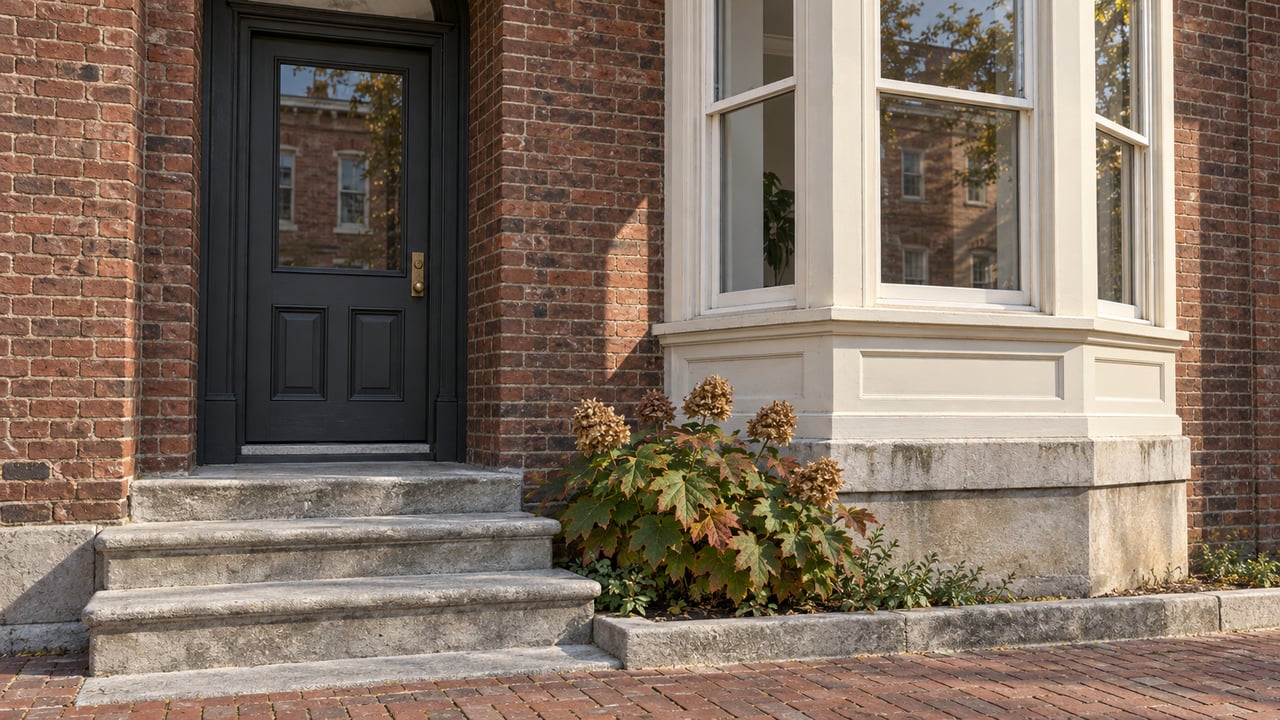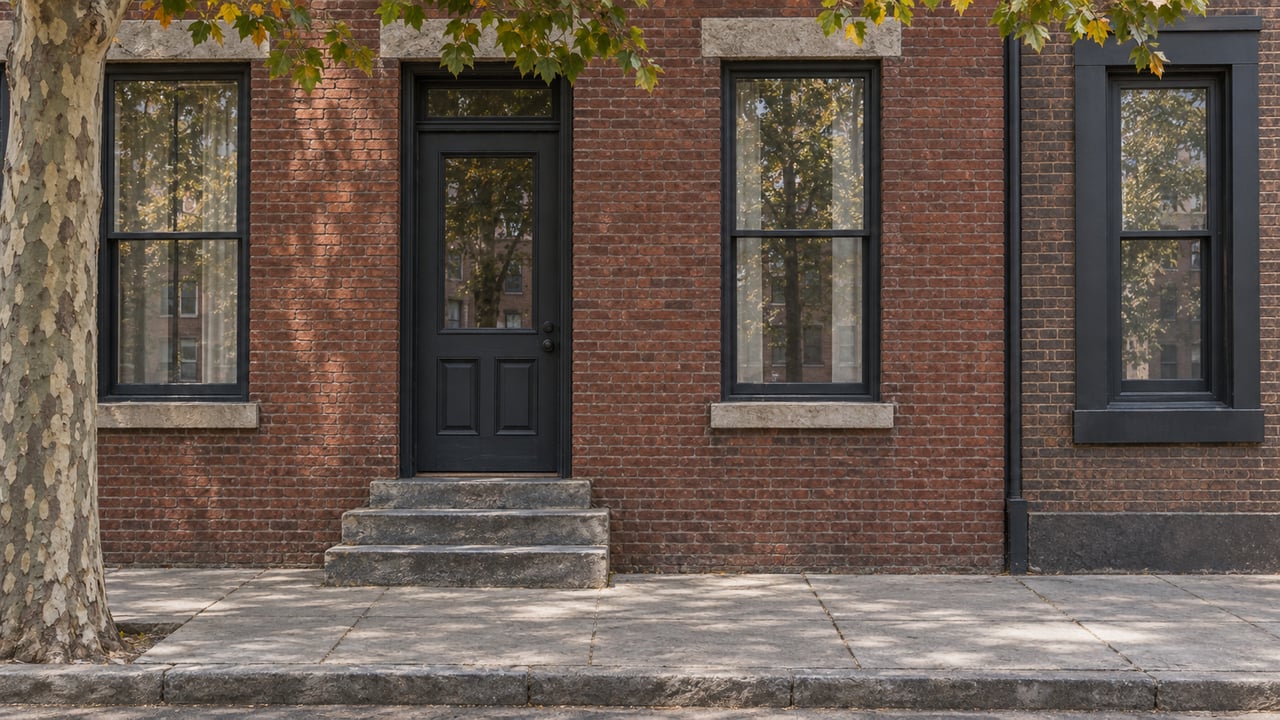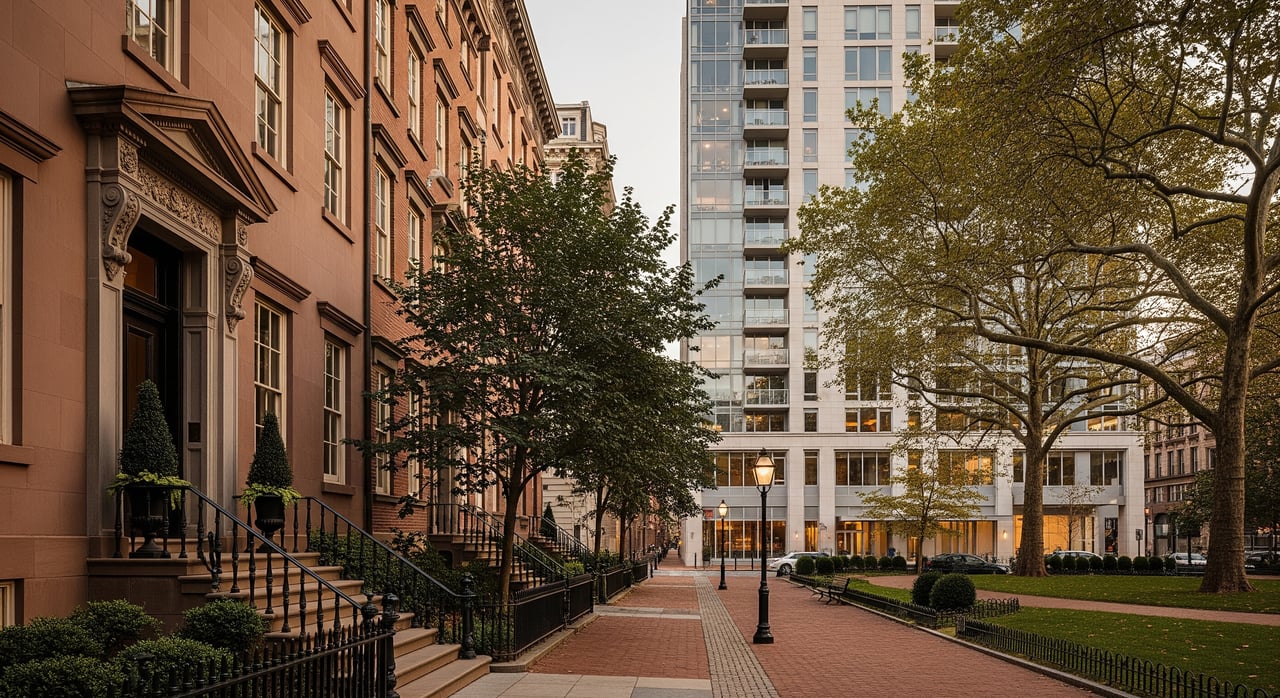
Trying to decide between a high-rise condo and a historic townhouse near Rittenhouse Square? You are not alone. The neighborhood offers two distinct ways to live in Center City, each with real tradeoffs in lifestyle, maintenance, rules, and resale. This guide walks you through the key differences so you can make a confident choice that fits how you want to live and what you want to spend. Let’s dive in.
Rittenhouse at a glance
Rittenhouse Square is one of Philadelphia’s most established Center City neighborhoods, prized for its walkability, dining, retail, and access to cultural institutions. You will find luxury and mid-century high-rises along corridors like Broad, Walnut, and Market, plus blocks of 19th‑century brownstones and rowhomes on quieter side streets.
Demand stays strong because land is limited and the park is a major draw. Inventory on prime blocks can be tight, which influences pricing and time on market. Your decision often comes down to lifestyle fit and total cost, not just list price.
Condo living in Rittenhouse: what to expect
Lifestyle and amenities
Condominiums in this area commonly offer doorman or concierge service, controlled access, and on-site management. Many buildings add gyms, pools, package rooms, common roof decks, and valet or garage parking. If you want low-maintenance, lock-and-leave living with services, condos deliver that experience.
Ownership and monthly fees
You own your unit and share ownership of common areas like the lobby, roof, and building systems through the association. You pay monthly condo fees that typically cover shared maintenance, staff, master insurance, and sometimes utilities. Associations can levy special assessments for large projects, so it is smart to review building financials before you buy.
Space, layout, and privacy
Floorplans range from studios to large penthouses. Single-floor living with elevator access is a plus, especially if you prefer to avoid stairs. Noise varies by building age and construction. Higher floors can reduce street sound, while shared corridors and elevators add traffic you should experience during a showing.
Pets and rental rules
Pet policies vary by building. Some allow larger pets with fees, while others limit size or breed. Many associations also set rental caps or short-term rental restrictions. If pets or renting are important to you, make those policies a front-end filter.
Parking and transportation
Structured or valet parking is common and often sold or rented separately. In Rittenhouse, convenient parking is a premium feature that can affect both lifestyle and resale appeal. Confirm whether a space is deeded, licensed, or waitlisted.
Townhouse living in Rittenhouse: what to expect
Lifestyle and privacy
Townhouses and rowhomes offer private entries, more separation from neighbors, and a single-family feel. You avoid shared hallways and elevator waits. You also set your own house rules unless you are part of a small association.
Ownership and maintenance
Fee-simple ownership means you are responsible for the full structure and land. Roof, facade, gutters, mechanicals, and any outdoor space are yours to maintain. Over time, those capital projects add up, so plan reserves just as you would consider condo fees.
Space and outdoor areas
Rowhomes often span multiple floors with potential for more total square footage and charming features like stoops, patios, small gardens, or roof decks. Stairs are a daily factor to consider. Character details can be a draw, and so can the ability to customize interiors more freely.
Historic and permit considerations
Parts of Rittenhouse are within historic districts overseen by the Philadelphia Historical Commission. Exterior changes often require review and approval. If you are planning window replacements, facade work, or additions, build that process into your timeline and budget.
Parking realities
Some townhouses include a garage or driveway. Many rely on on-street parking permits. Availability is highly block specific, so confirm exact parking rights, restrictions, and any easements before you write an offer.
Cost comparison: your total monthly picture
Buying smart means thinking beyond the mortgage payment. Total cost of ownership should include:
- Condo: mortgage + HOA fee + utilities not covered by the HOA + insurance for interior contents and improvements + any parking costs + reserves for possible special assessments.
- Townhouse: mortgage + full utilities + homeowners insurance for the entire structure + maintenance and capital reserves for roof, facade, HVAC, windows, and exterior + any parking costs.
Condo fees can feel high, but they often replace services you would otherwise arrange and pay for yourself. Fee-simple homes avoid monthly HOA dues, but major projects like roofing, masonry, or system upgrades can equal or exceed an HOA’s annual cost over time. A side-by-side worksheet for specific addresses is the best way to compare.
Financing and approvals
Condos: project health and lending
Lenders look at the building as well as your qualifications. Many require adequate reserves, a certain owner-occupancy ratio, and current condo documents. Projects facing litigation or large pending assessments can limit loan options. FHA and VA approval can matter if you need those programs. Always confirm approvals early to avoid surprises.
Townhouses: fewer building-level hurdles
Fee-simple townhouses are typically underwritten like standard single-family homes. If the property is part of a condominiumized row or planned community, you may still need to provide association documents to your lender.
Rental policies and short-term rentals
Associations often cap rentals or require minimum lease terms. The city also regulates short-term rentals and licensing. If you plan to rent your property long term or short term, verify both association rules and municipal requirements before you commit.
Resale and liquidity in Rittenhouse
Well-priced smaller condos often draw a broad buyer pool that includes first-time buyers and investors. That can help with liquidity when you sell. Larger or high-fee units can have narrower demand and longer timelines.
Renovated townhouses on desirable blocks can achieve higher absolute prices and appeal to buyers who want privacy and outdoor space. At higher price points, the buyer pool is smaller and sales can take longer. Historic integrity, recent renovation quality, parking, and natural light are key value drivers for both property types.
Lifestyle fit: quick checklist
Use these prompts to test the day-to-day experience you want:
- Do you want one-level living with elevator access, or does multi-floor living suit you?
- How much value do you place on staffed services like a doorman, on-site management, package rooms, and shared amenities?
- Do you prefer private outdoor space over common areas and roof decks?
- Are you comfortable with association rules on pets, rentals, and renovations, or do you want more control?
- Is parking a must-have, nice-to-have, or non-issue for your routine?
- How do you feel about periodic condo assessments versus planning for your own roof, masonry, and system replacements?
- What noise profile works for you? Visit at morning commute, evening, and weekend times to compare.
Due diligence: what to review before you buy
For condos
- Budget, reserve study, and recent meeting minutes to gauge reserves, projects, and assessments.
- Bylaws, declaration, and rules for pet, rental, renovation, and move-in policies.
- Certificate of insurance and master policy coverage.
- Occupancy mix, delinquency rates, and any pending litigation disclosures.
- Parking and storage agreements, plus elevator service records and capital plans.
- Clarify which utilities and services are covered by the HOA fee.
- Confirm project approval status if you need FHA, VA, or certain conventional programs.
For townhouses and rowhomes
- Full inspection focused on roof, flashing, gutters, masonry, chimneys, foundation, and any signs of water intrusion.
- Mechanical systems check, including HVAC, plumbing, electrical, and any outdated wiring.
- Window condition, historic materials, and potential presence of older finishes that may require specialized treatment.
- Property boundaries, alleyways, yards, and any shared infrastructure or easements in writing.
Visit and verify
Walk the block during commute hours, evenings, and weekends to gauge traffic and ambient noise.
Talk to residents when possible to understand building culture or block dynamics.
Ask sellers for recent repair receipts for roof, HVAC, and windows to estimate upcoming costs.
Which option fits you?
- Choose a condo if you want staffed services, elevator access, and shared amenities with a predictable monthly fee. You accept association rules and the possibility of special assessments.
- Choose a townhouse if you want privacy, control, and private outdoor space with responsibility for your own maintenance and capital projects.
- If you are undecided, compare two or three real addresses side by side. Build a simple total-cost model, confirm financing requirements, and weigh the rules that affect your lifestyle.
Ready to compare addresses?
If you are deciding between specific buildings and blocks, we can help you run an apples-to-apples comparison that includes fees, parking rights, association health, inspection priorities, and resale outlook. Our team pairs neighborhood-level insight with a disciplined process so your choice is informed and aligned to your goals. When you are ready, schedule a Free Consultation with Reid Rosenthal.
FAQs
What are typical condo fees in Rittenhouse and what do they cover?
- Fees vary by building and amenity level, but they commonly cover shared maintenance, building staff, master insurance, and sometimes utilities; always review the budget and reserve study.
How do special assessments work in Rittenhouse condo buildings?
- Associations can levy assessments for large projects or unexpected repairs, so ask for recent meeting minutes, capital plans, and assessment history to gauge risk.
Do Rittenhouse townhouses usually fall in a historic district?
- Some do and some do not; confirm the property’s status and approval requirements for any exterior work before planning renovations.
Is financing harder for condos than for townhouses in Center City?
- It can be, because lenders review the condo project’s reserves, occupancy mix, and legal status; fee-simple townhouses are usually underwritten like single-family homes.
How do parking options differ between condos and townhouses near Rittenhouse Square?
- Many condos offer garage or valet parking that may be deeded or rented, while townhouses may have private garages or rely on on-street permits; verify exact rights and costs.
Are rentals or short-term rentals allowed in Rittenhouse condos?
- Many associations set rental caps and minimum lease terms, and the city regulates short-term rentals, so check both the condo documents and local rules before buying.
What should I inspect closely in an older Rittenhouse townhouse?
- Focus on roof and masonry, water intrusion, mechanical systems, windows, chimneys, and any shared party walls, plus confirm easements and any shared maintenance agreements.