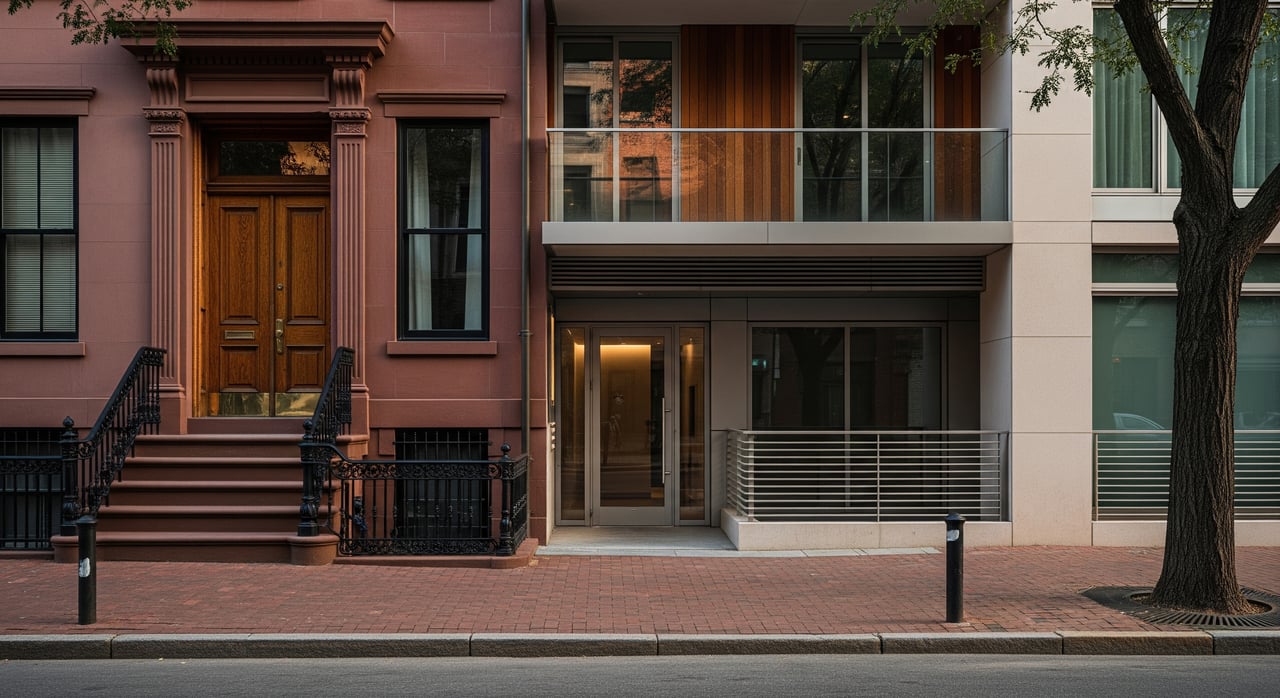
Trying to choose between a condo and a townhouse in Washington Square West? You are not alone. Each option offers a different mix of cost, control, convenience, and lifestyle. This guide breaks down the tradeoffs you will actually feel day to day, from HOA fees and maintenance to privacy, outdoor space, parking, and financing. By the end, you will have a clear checklist and a simple decision framework you can use on your next showing. Let’s dive in.
Washington Square West at a glance
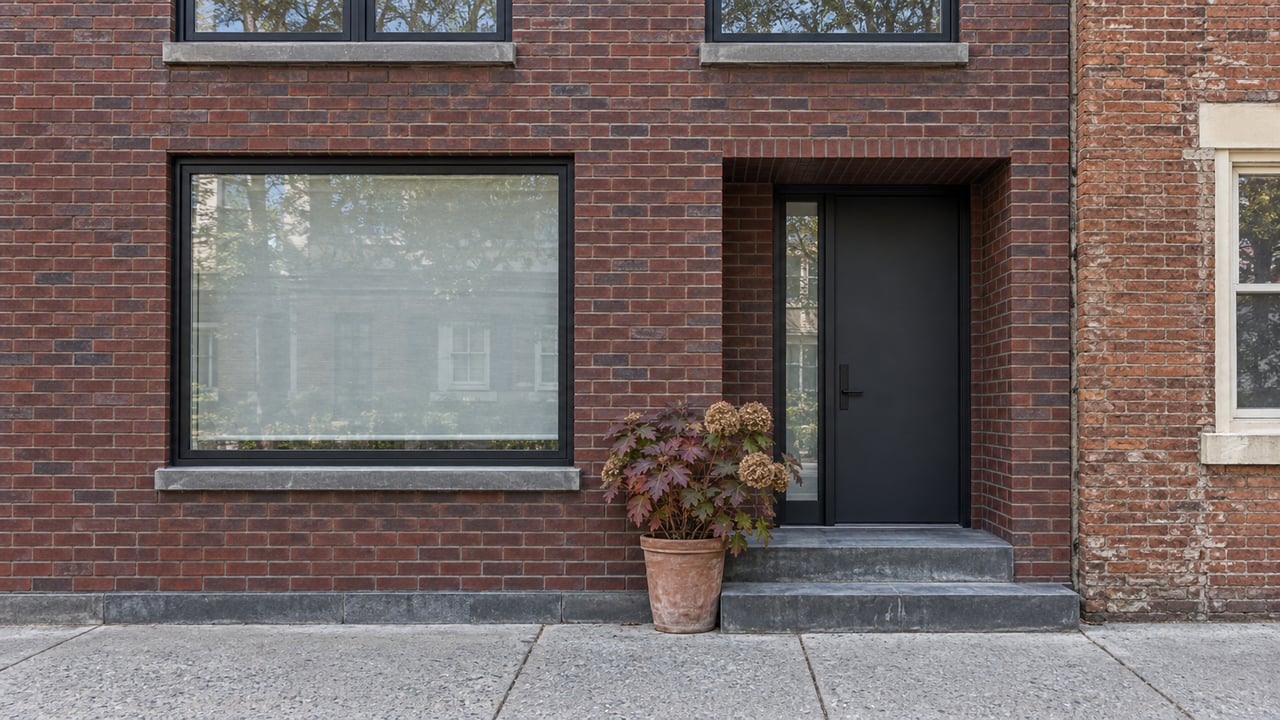
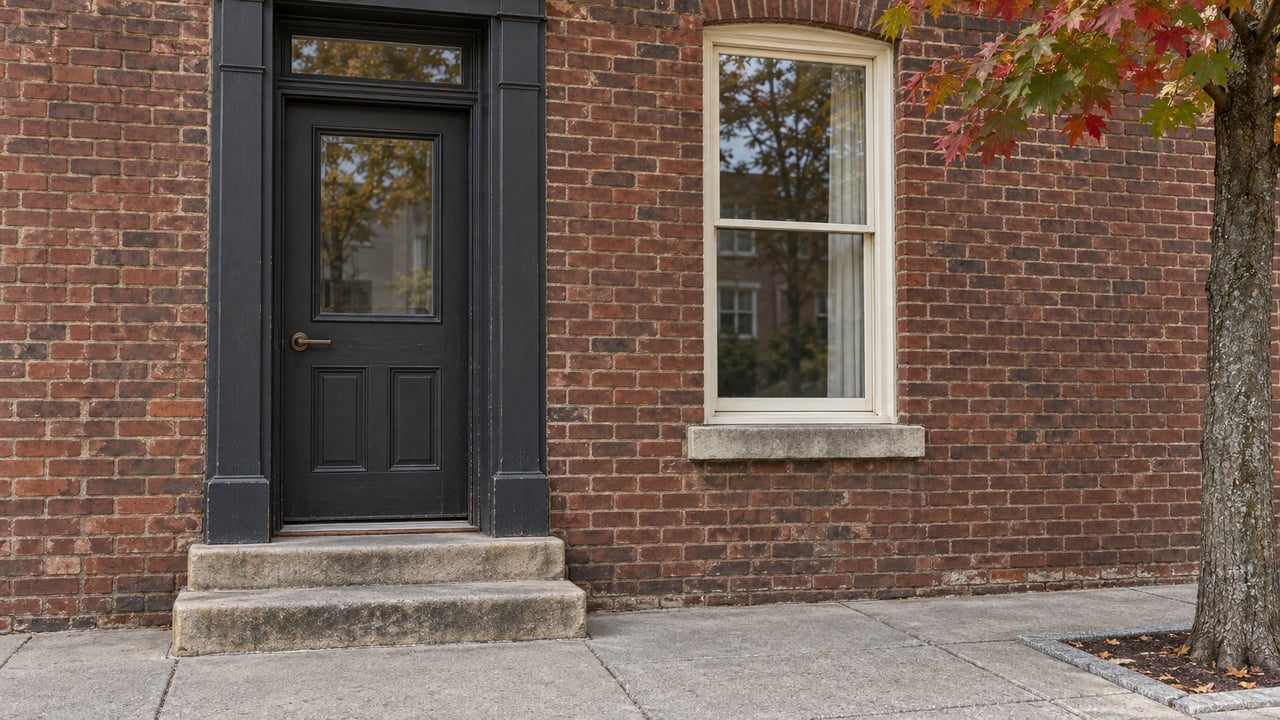
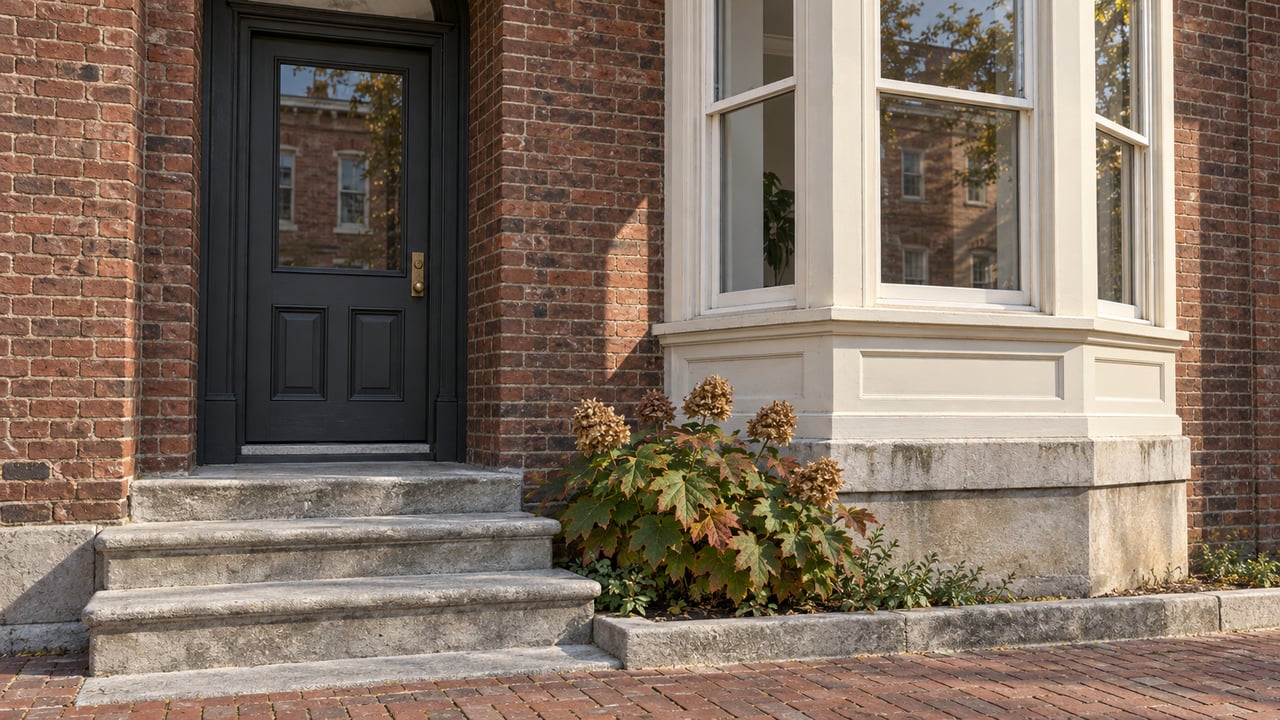
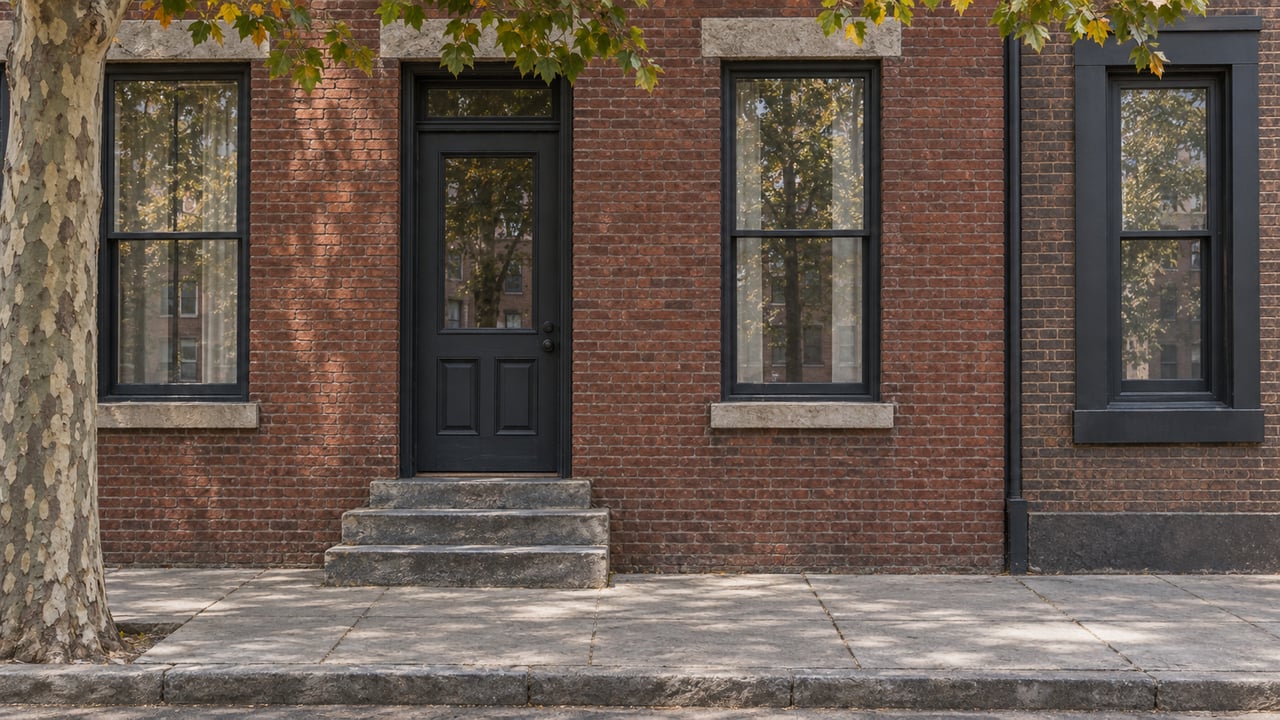
Washington Square West sits in Center City and offers a true mix of homes. You will find mid-rise condo buildings, converted lofts, and traditional Philadelphia rowhouses that date to the 19th and early 20th centuries. Age and construction style matter here because they affect maintenance, insurance, and what you can renovate.
Parts of the neighborhood include historic properties. Exterior work on those homes may require review and permits through the city. Off-street parking is limited in Center City, so parking access can vary block by block and building by building.
Total cost of ownership
Purchase price is only one piece of the puzzle. Your monthly cost is what you feel every month, and it can look very different for condos and townhouses. Compare property taxes, utilities, association fees, insurance, and expected maintenance.
Condo monthly costs
- Monthly condo fees typically cover common-area upkeep, exterior building maintenance, roof, lobby and hallways, and common utilities in some buildings.
- In buildings with elevators, doorman or concierge service, and professional management, the fee helps fund those services and the building’s insurance and reserves.
- Review what the fee covers, the association’s budget, reserve balance, and any history of special assessments. Healthy reserves and a clear capital plan are good signs.
Townhouse monthly costs
- Many Washington Square West townhouses are fee-simple with no HOA. You will pay for all exterior maintenance, roof, yard, and all utilities.
- Some newer townhouse clusters have an HOA that covers shared items. Verify what is included and the fee level.
- Plan for periodic big-ticket items like roof replacement, masonry tuckpointing, HVAC, and foundation work.
Taxes and insurance
- Both condos and townhouses pay city property taxes. Condos are assessed per unit, while townhouses are assessed as fee-simple lots. Check the parcel assessment for each property you consider.
- Condo owners generally carry an HO-6 policy that covers interior finishes, personal property, and liability. The building carries a master policy for common elements.
- Townhouse owners carry a standard homeowners policy that covers the structure and interior. Older masonry rowhomes can require specific endorsements, such as sewer backup coverage.
Financing checks
- Fee-simple townhouses are usually straightforward to finance like single-family homes.
- Condos involve an extra layer of lender review. Lenders often examine the condo association’s financials, owner-occupancy rate, reserves, insurance, and any pending litigation.
- If you plan to use FHA or VA financing, the condo building may need to meet program requirements. Check project approval status with your lender early.
Special assessments and reserves
- In a condo, a well-run association maintains reserves and plans capital work through a reserve study. Repeated special assessments or very low reserves are red flags.
- In a townhouse, you control the timeline but also carry the full cost. Confirm the condition of the roof, HVAC, foundation, and exterior envelope before you commit.
Maintenance and renovation control
Your appetite for maintenance and your desire to control renovations can tip the scales.
- Condos reduce day-to-day maintenance because the association handles the exterior, roof, and common systems. You will have rules for renovations, especially for anything that affects structure, plumbing, electrical, or common systems.
- Townhouses give you more freedom to renovate interiors and exteriors, subject to permits and any historic-review requirements. You also shoulder the planning and cost for all work.
- In historically designated areas, exterior changes may require city approvals. Confirm requirements before you budget for a façade update, new windows, or a roof deck.
Privacy, space, and lifestyle
Privacy and noise
- Condos can place neighbors above, below, and beside you. Noise transmission varies by building age and construction quality, and rules can affect how quiet a building feels.
- Townhouses share party walls with neighbors, which is common in Philadelphia. Vertical layouts can offer a different sense of privacy, especially between living and sleeping floors.
Outdoor space options
- Townhouses often provide private outdoor space. Expect a small rear yard, stoop, terrace, or the potential for a roof deck after proper approvals.
- Condos may include balconies or shared roof decks and courtyards. Some buildings offer no outdoor space at all, so check each listing carefully.
- If gardening, pets, or private outdoor entertaining top your list, a townhouse often fits better.
Parking and transit
- Off-street parking is constrained across Center City. Many older townhouses do not include dedicated parking.
- Some condos include deeded or assigned garage spaces. Others offer rental options in the building or nearby.
- Both condos and townhouses in Washington Square West benefit from strong walkability and access to transit and Center City amenities.
Resale and investment factors
- Townhouses can attract buyers who value control, private outdoor space, and the classic rowhouse experience, which can support long-term demand.
- Condos appeal to buyers seeking lower maintenance, amenities, and sometimes a lower entry price for a Center City address.
- Local supply and demand will shape resale prospects. Proximity to parks, building amenities, and the condition of the home or association will influence outcomes.
- Many condo associations limit short-term rentals or require registration and compliance. The city also has licensing and habitability requirements for rentals.
- If you are an investor, confirm rental caps, pet rules, parking, and current market rents for comparable properties. Condo financing for investors can be more complex than for owner-occupants.
Quick decision framework
Start by ranking these five priorities from 1 to 5:
- Maintenance burden: low vs hands-on.
- Private outdoor space: must-have vs nice-to-have.
- Parking: required vs flexible.
- Renovation freedom: high control vs rules and approvals.
- Budget predictability: stable monthly fees vs variable repairs.
Then use these yes or no prompts:
- Do you want to avoid exterior, roof, and landscaping work? If yes, lean condo.
- Do you need a yard or roof deck for pets or outdoor time? If yes, lean townhouse.
- Is renovation control important to you? If yes, lean townhouse and verify historic rules.
- Are you using FHA or VA financing? If yes, verify condo project approval early.
- Are you comfortable paying monthly HOA fees for services and amenities? If yes, lean condo.
- Is privacy from neighbors above and below a top priority? If yes, consider a multi-level townhouse or a top-floor condo.
Create a quick scorecard:
- Choose six criteria that matter most to you: maintenance, outdoor space, privacy, parking, renovation freedom, and financing complexity.
- Assign each a weight based on your priorities. Score each property you tour on those criteria.
- Tally the results for condos and for townhouses. The higher subtotal points you toward the better fit.
Due diligence checklist in Wash West
Use this list to keep your search focused and reduce surprises later.
Before you write an offer
- Compare recent sold comps for similar condos and townhouses in the immediate area.
- For condos, request the association packet early. Ask for the declaration, bylaws, rules, current budget and financials, reserve study or reserve balance, insurance summary, board meeting minutes, rental policy, owner-occupancy rate, and any litigation disclosures.
- For townhouses, review the seller’s property disclosure and the property’s permit history. Confirm the age and condition of major systems.
- Confirm how utilities are metered and billed. Ask about any shared systems.
- Clarify parking availability and block-by-block permit rules. Ask what the owner actually uses today.
- Ask about pest, moisture, and foundation history, especially for older rowhomes.
During inspections and contingencies
- Hire an inspector experienced with Philly rowhomes and Center City condos.
- For townhouses, add roof, basement, foundation, chimney, and exterior masonry checks.
- For condos, review common-area conditions and ask about the roof, façade, and building mechanicals. If a building-level report exists, request it.
- Evaluate the age and condition of heating and cooling systems and any building-wide systems that could drive future assessments.
Closing and after you buy
- Confirm insurance requirements. For condos, review the master policy, coverage type, and deductibles so your HO-6 policy fills gaps.
- For condos, understand the association transfer or estoppel process and any transfer fees.
- If you plan to renovate a townhouse, confirm permit requirements and any historic approvals needed before you schedule contractors.
Putting it all together
If you want a low-maintenance lifestyle with amenities and are comfortable with predictable monthly fees and building rules, a condo in Washington Square West can be a great fit. If you want private outdoor space, stronger control over renovations, and you do not mind being hands-on with maintenance, a townhouse may serve you better. The right choice aligns with how you plan to live, drive, and budget.
You do not have to make the decision alone. Our team pairs neighborhood-level expertise with a disciplined process to help you compare options and avoid surprises. If you are weighing a condo against a townhouse in Washington Square West, connect with Reid Rosenthal to walk through real comps, real association documents, and a plan that fits your goals.
FAQs
How do monthly costs compare in Washington Square West?
- Condos typically carry a monthly fee that bundles exterior maintenance, building insurance, management, and sometimes utilities, while townhouses avoid HOA fees but require you to budget for your own roof, exterior, and major repairs.
What does a condo HOA fee usually cover here?
- Fees commonly support common-area upkeep, roof and façade, elevators and doorman services if present, building insurance, management, and reserves, but you should verify the line items and reserve health in the association’s financials.
Who handles roof and windows in condos vs townhouses?
- In many condos, the association maintains the roof and common elements, while owners handle interior finishes and sometimes windows, whereas townhouse owners are responsible for the entire structure, including roof and windows.
How does condo financing differ from a townhouse?
- Lenders review condo associations for financial strength, owner-occupancy levels, reserves, insurance, and litigation, and FHA or VA buyers may need a building that meets program standards, while fee-simple townhouses are usually simpler to finance.
Is parking usually included with Wash West homes?
- Some condos include deeded or assigned garage spaces, while many townhouses do not have on-site parking, so you may rely on street permits or nearby rentals and should confirm options for each address.
How do historic rules affect rowhome renovations?
- If a property sits in a historic district or has designated status, exterior changes may require review and permits, so confirm requirements before planning windows, façade updates, or a roof deck.