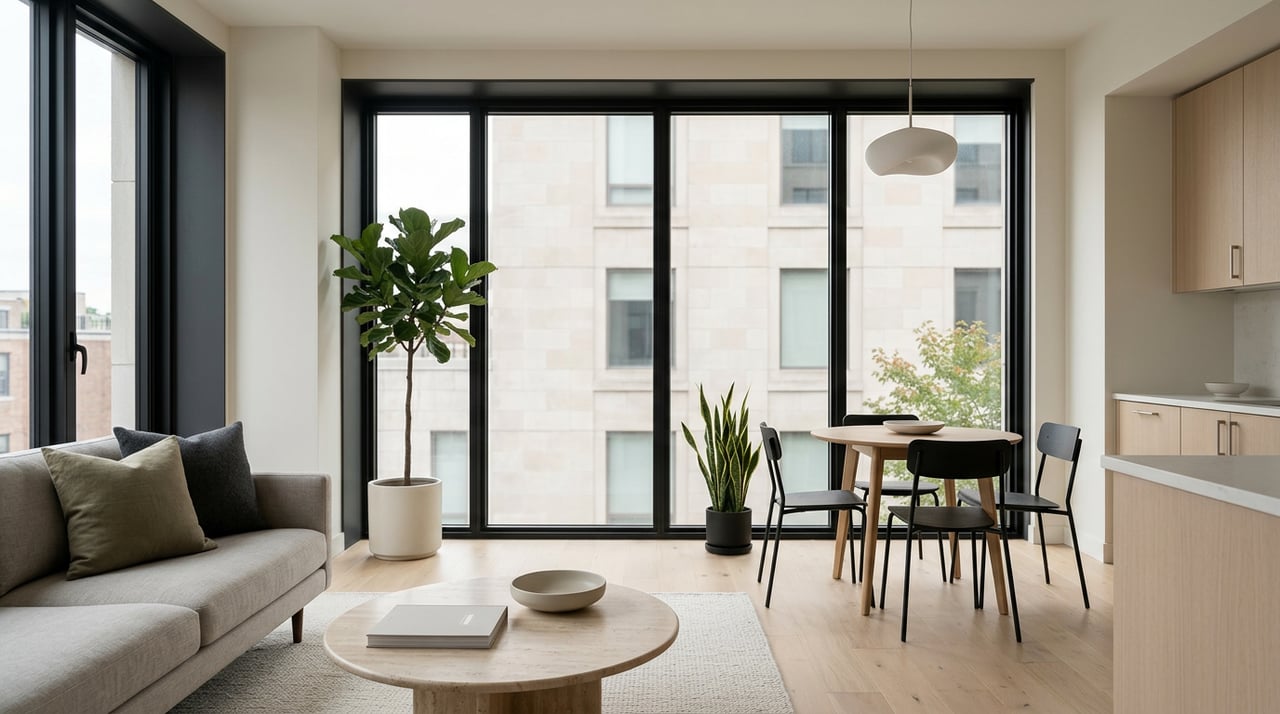
Thinking about selling your Logan Square condo but unsure when to list or how to price it? You are not alone. The Parkway market is active yet measured, and small choices about timing, prep, and pricing can shift your final sale price by thousands. In this guide, you will learn how to set the right strategy for a high-rise condo near the Benjamin Franklin Parkway, what documents to pull from your HOA, how to prepare for photography and showings, and when to launch for the best traction. Let’s dive in.
Logan Square market snapshot
Logan Square sits in the northwestern quadrant of Center City, bordered by Market Street, Spring Garden Street, Broad Street, and the Schuylkill River. It includes the Parkway and museum district anchored by the Philadelphia Museum of Art, the Barnes, and the Franklin Institute. You can confirm the neighborhood context in the Logan Square overview.
What buyers are seeing online
Public listing portals show a mid-market condo price in the low-to-mid $400Ks, with price per square foot in the $400s. Inventory is up from the pandemic peak, and average days on market are longer than in 2020 to 2022. Platform data can vary by methodology, so you will want a Bright MLS comparative market analysis focused on your building and the most recent sales.
What this means for your sale
Expect a more deliberate market where well-priced, well-presented condos still move, but precision matters. The first 2 weeks often set your momentum. Regional indicators like the Bright MLS T3 Home Demand Index show that demand varies by price tier, with entry-level condos often faring better than luxury in certain months. You can track current conditions in the latest demand index summaries.
Price it right: competitive set and comps
Define your competitive set
For a high-rise condo, the building itself is part of the product. Start your comp set here:
- Same building first, then adjacent buildings with similar amenities and reputation.
- Match unit type: bedrooms, baths, and usable square footage within about 10 to 15 percent.
- Align floor level and exposure. Parkway and skyline views carry premiums over interior or courtyard views.
- Mirror parking status and in-unit laundry.
- Prefer sales from the last 3 to 6 months. If thin, expand to adjacent Center City blocks and extend to 9 to 12 months with time adjustments.
Smart adjustments and pricing band
Buyers compare line by line. Common adjustments include floor and view premium, balconies or terraces, assigned parking, recent kitchen or bath upgrades, and any special assessments or restrictive rental rules. Aim to launch within a tight pricing band informed by your CMA. Pricing near the CMA midpoint often generates the strongest early traction. Overpricing increases days on market and usually leads to steeper reductions.
Prep and staging that sell
Fix what buyers notice
Center City condo buyers expect turnkey condition, especially near the Parkway. Prioritize small, visible repairs: sticking doors, leaky faucets, cracked grout, and squeaky or drafty windows and balcony doors. If possible, certify major systems like HVAC and hot water. Local reporting also points to the outsized impact of kitchen and primary bath condition. Targeted updates such as new hardware, refreshed counters, neutral paint, and better lighting can outperform big remodels at resale. For more context on what draws buyers in older condo buildings, see this Philadelphia Inquirer coverage.
Stage for high-rise living
In an urban condo market, your first showing is online. Invest in professional photography, a dimensioned floor plan, and a virtual or 3-D walkthrough. Industry summaries show that staged and well-photographed listings get more clicks and often sell faster. Review staging cost and ROI trends in this Bankrate overview.
- Keep styling light, modern, and neutral to make rooms feel larger.
- Stage balconies and window lines to highlight skyline or Parkway views.
- If you are listing in winter, balance interior lighting and schedule photos to capture the best natural light.
Show off the building, not just the unit
Buyers evaluate the full experience: lobby, doorman or concierge area, elevators, gym, roof deck, and hallways. Coordinate with your property manager to confirm showing protocols and elevator reservations, and to schedule amenity photos when spaces look their best. Local reporting emphasizes that cohesive amenities and building stability help buyers move forward with confidence. You can see examples of these priorities in the Inquirer’s condo coverage.
HOA, legal, and closing logistics
Seller disclosures in Pennsylvania
Pennsylvania requires a Seller Property Disclosure Statement for most residential transfers. Complete it accurately, disclose known material defects, and deliver it per state rules and your agent’s guidance. You can review the regulation and model form elements in the Pennsylvania Code.
Resale certificates and association documents
Under Pennsylvania’s Condominium Act, you must provide key association documents and a certificate detailing monthly common expenses, unpaid assessments, and other data. The association must furnish these within 10 days of your request. A buyer can void the contract until the certificate is delivered and for five days after delivery. That is why ordering your resale certificate early is critical. Review the statute in the state code.
Philadelphia transfer tax and closing costs
Philadelphia updated its realty transfer tax rate effective July 1, 2025. The combined rate is 4.578 percent, split between city and commonwealth. Plan your net sheet and timing with this in mind. You can confirm the rate on the City of Philadelphia site.
Beyond the transfer tax, expect line items such as attorney fees, title services, prorated HOA dues, estoppel or resale certificate fees, and move-in or move-out elevator fees. For a practical overview of common local costs, see this Philadelphia closing cost guide.
Typical buyer contingencies
Most buyers include inspection and financing contingencies, plus time to review association documents. Expect questions on rental restrictions, litigation, reserve funding, and insurance coverage. Gather budgets, reserve studies if available, recent board minutes, the current balance of unpaid assessments, and the building insurance certificate. The Condominium Act outlines buyer protections that make document readiness essential. Reference the statutory framework here.
Timing your launch
Seasonality and local rhythm
Philadelphia activity typically builds in spring, with a second bump in early fall. Mortgage rates and local inventory can shift the pattern, so pair seasonality with fresh comps from Bright MLS. The regional pulse of the spring market is highlighted in this Bright MLS March 2025 snapshot.
If you must list in a quieter month, double down on presentation. Lean into great visuals, flexible showing windows, and clear closing terms. You can still win attention if your online package outclasses the competition.
Protect price at launch
Pricing within a tight CMA range helps you create early urgency. If the goal is multiple showings in the first two weeks, consider pricing at or slightly below the CMA midpoint. Only push above market when you can document rare premiums such as a top-floor position with unobstructed Parkway views, assigned garage parking, and recent designer-level renovations. A pre-inspection of major systems can reduce uncertainty and keep negotiations focused on price and terms.
Pre-list checklist and timeline
Use this 6 to 10 week roadmap to reduce days on market and protect your price.
Weeks −6 to −4
- Book professional photography, a measured floor plan, and a Matterport or similar 3-D tour. See staging prep guidance and ROI context via Bankrate.
- Request the HOA resale packet or estoppel immediately. Associations have 10 days to produce the certificate once requested. Review fees and pay early to avoid delays. Confirm the timeline in the Condominium Act.
- Complete the Pennsylvania Seller Property Disclosure Statement. Review the state guidance.
- Knock out small repairs, deep clean, declutter, and stage key rooms. Prepare balcony styling if allowed by the HOA.
Weeks −3 to −1
- Complete photos and the virtual tour. Finalize listing copy that calls out Parkway or skyline orientation, amenity package, and included parking or storage.
- Input Bright MLS fields accurately, including HOA fees, special assessments, parking, pet policy, rental rules, and storage.
- Launch the MLS listing, host a broker preview, and send targeted emails to agents with active Center City buyers. Add a focused digital campaign aimed at likely buyer profiles tied to downtown commute corridors and nearby institutions.
First 14 days on market
- Monitor online views, saves, showing requests, and feedback after agent tours.
- Review pricing and messaging around day 7 to 10. If traction is thin, adjust price or refine how you position view premiums, parking, or amenities.
Pre-ratification to closing
- Prepare to update the HOA estoppel if amounts change.
- Confirm transfer tax allocation per contract and timing relative to the July 1, 2025 rate.
- Respond to inspection items promptly. A prior systems check can keep negotiations streamlined.
What Parkway buyers expect
Buyers near the Benjamin Franklin Parkway tend to prioritize the full living experience. Highlight any of the following your unit or building offers:
- Doorman or concierge, secure access, and reliable elevator service
- Assigned parking or dependable nearby options
- In-unit laundry or convenient building laundry
- Up-to-date mechanicals and a reasonable HOA fee for the amenity set
- Documented reserve fund health and no looming special assessments
- Usable private outdoor space, such as a balcony, plus walkability to museums, green space, and transit access
Local reporting underscores these preferences for Center City condos. For more, see the Inquirer’s coverage.
Metrics to watch and when to pivot
Track online views, save ratios, showing volume, and early offers. Use Bright MLS as your source of truth for days on market and sold comps. If you are not getting qualified showings in the first 2 weeks, consider a price or positioning adjustment by day 14 to 21. Small shifts in price or emphasizing a view, parking, or a recently updated kitchen can reset momentum.
The Rosenthal Group approach
You deserve a sale that feels predictable and professional. Our process focuses on preparation and measurable outcomes: unit and building readiness, proactive HOA documentation, high-production visuals, and targeted outreach to buyer agents who work Center City condos. We coordinate each milestone so you keep pricing power, reduce friction at contract, and reach the closing table on your terms.
Ready to map your timing and strategy for Logan Square? Connect with Reid Rosenthal to schedule a free consultation and get a building-specific pricing plan.
FAQs
How should I choose a list price for a Logan Square condo?
- Build a Bright MLS CMA that prioritizes your building first, then nearby peers, matching beds, baths, square footage, floor level and view, and parking. Price within a tight range and aim for strong activity in the first 2 weeks.
What HOA documents do I need, and when should I order them?
- Request the association resale certificate and governing documents as soon as you sign a listing agreement. The HOA has 10 days to provide them, and buyers have a 5-day review window after delivery per the Pennsylvania Condominium Act.
How does Philadelphia’s transfer tax affect my net proceeds?
- The combined realty transfer tax is 4.578 percent for deeds recorded on or after July 1, 2025. Confirm allocation in your contract and factor it, plus customary closing fees, into your net sheet. See the City’s update and this local fee overview.
Which small upgrades deliver the best ROI for condos?
- Focus on visible touchpoints: fresh paint, updated lighting, hardware swaps, minor counter refreshes, grout and caulk repair, and tidy balcony staging where allowed. Buyers weigh kitchen and bath condition heavily. See local context in the Inquirer’s reporting.
When is the best time to list a Logan Square condo?
- Spring is typically strongest, with a secondary lift in early fall, but mortgage rates and inventory can shift the pattern. Pair seasonality with fresh building comps and the Bright MLS market pulse.
What should I expect during buyer due diligence?
- Most buyers will complete inspections, confirm financing, and review association documents for rules, assessments, reserves, and insurance. Have your HOA certificate, budgets, minutes, reserve study if available, and insurance summary ready to keep the deal moving under the state framework.