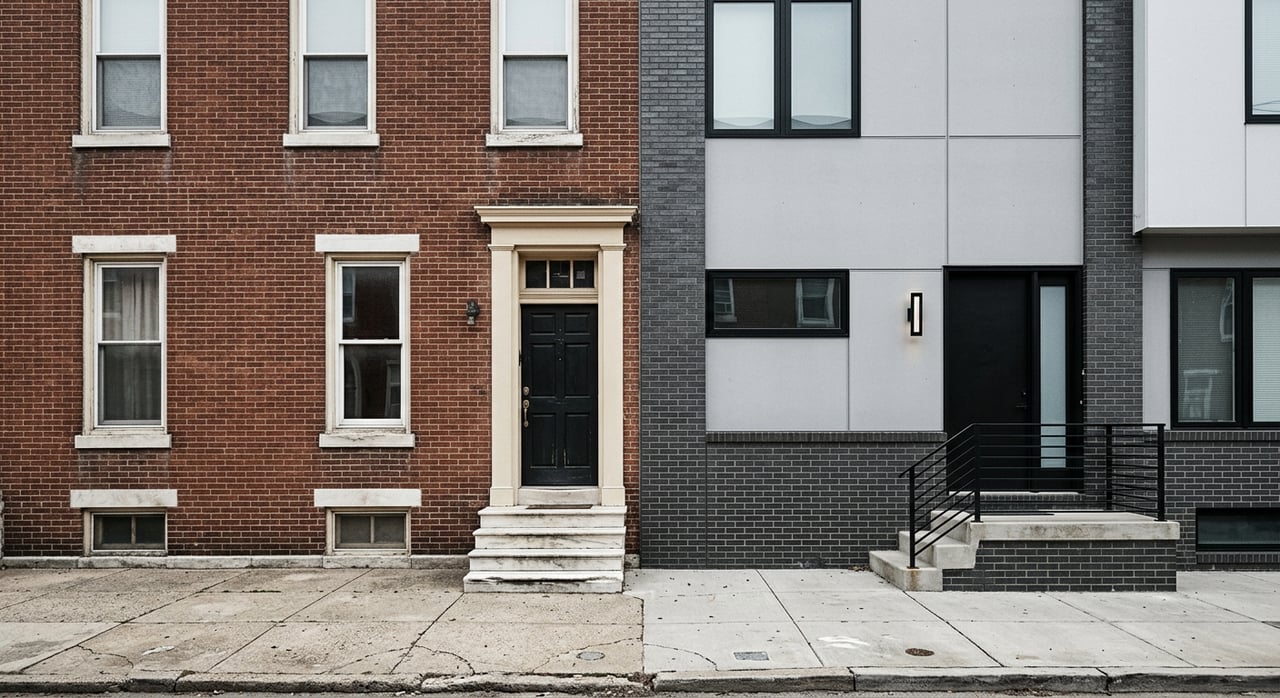
Touring Fishtown and torn between a sleek new build and a brick rowhome with character? You are not alone. Buyers here often weigh modern convenience and warranties against charm, craftsmanship, and potential value-add. This guide lays out what you actually get with each choice, the real costs to expect, how taxes and financing differ, and what to check before you write an offer. Let’s dive in.
Fishtown market snapshot, early 2026
Public market trackers put typical Fishtown values in the mid-to-high $300Ks to $400Ks as of February 2026. Reported figures vary by method, which explains the range. Average asking rents are also high for the city, which matters if you are comparing owner-occupancy and rental math. According to the latest Yardi Matrix data, Fishtown’s average rent is about $2,281 per month, with one-bedroom averages near $2,052 and two-bedroom averages near $3,351.
Local demand remains strong for newer, wider homes with outdoor space, roof decks, and finished basements. High-quality, fully renovated historic rowhomes also draw interest. On many blocks, features and finish level drive price more than age alone.
Historic rowhomes: what you get
Character and layout
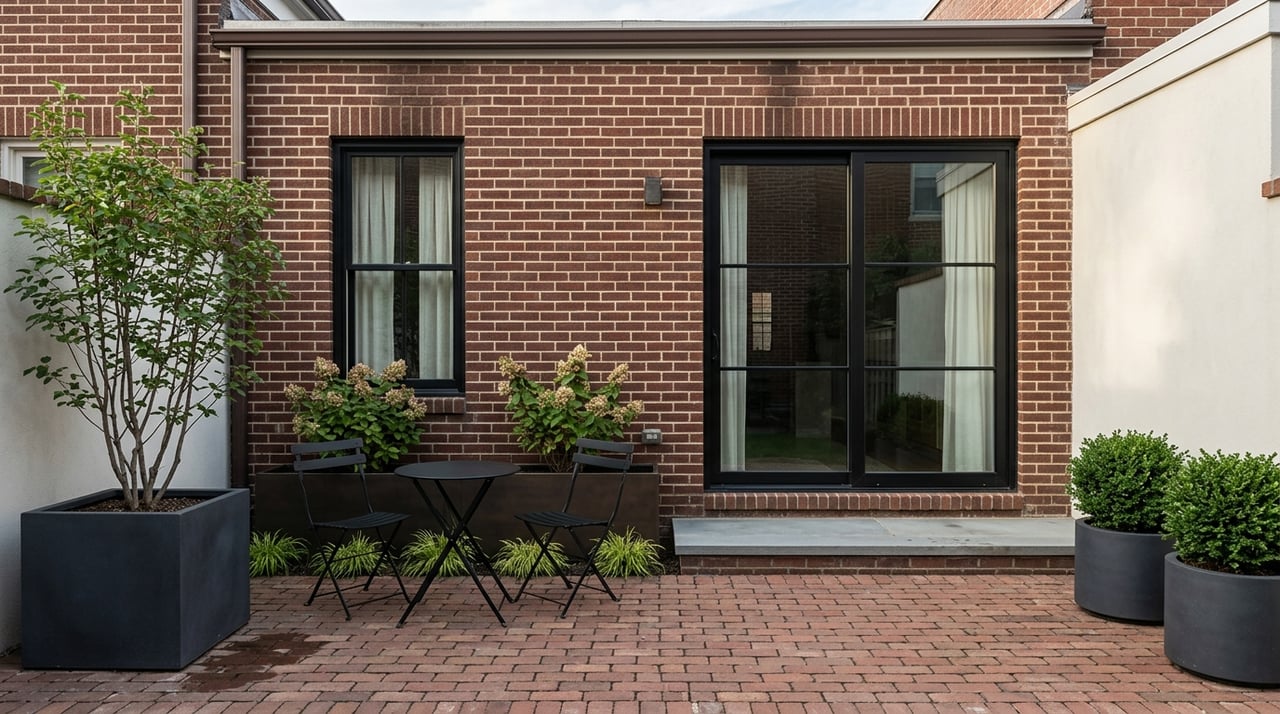
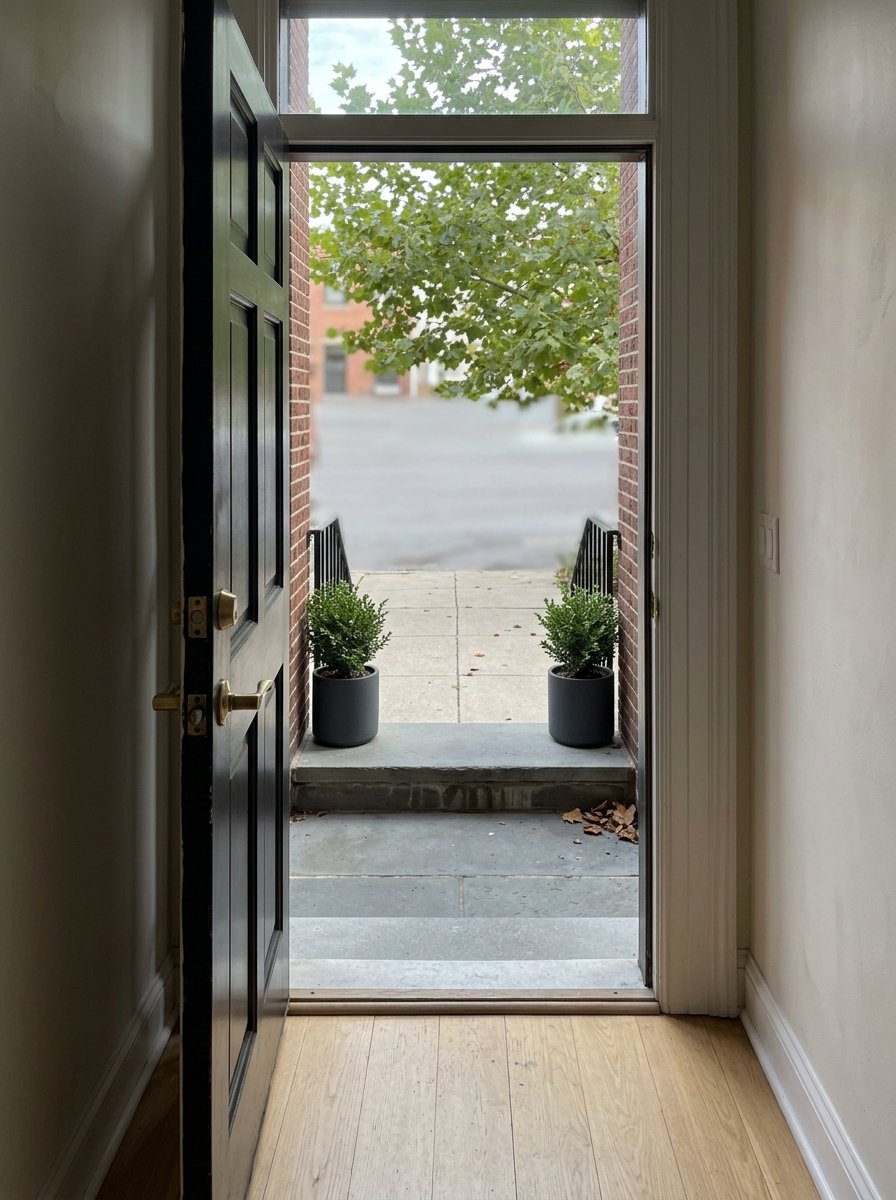
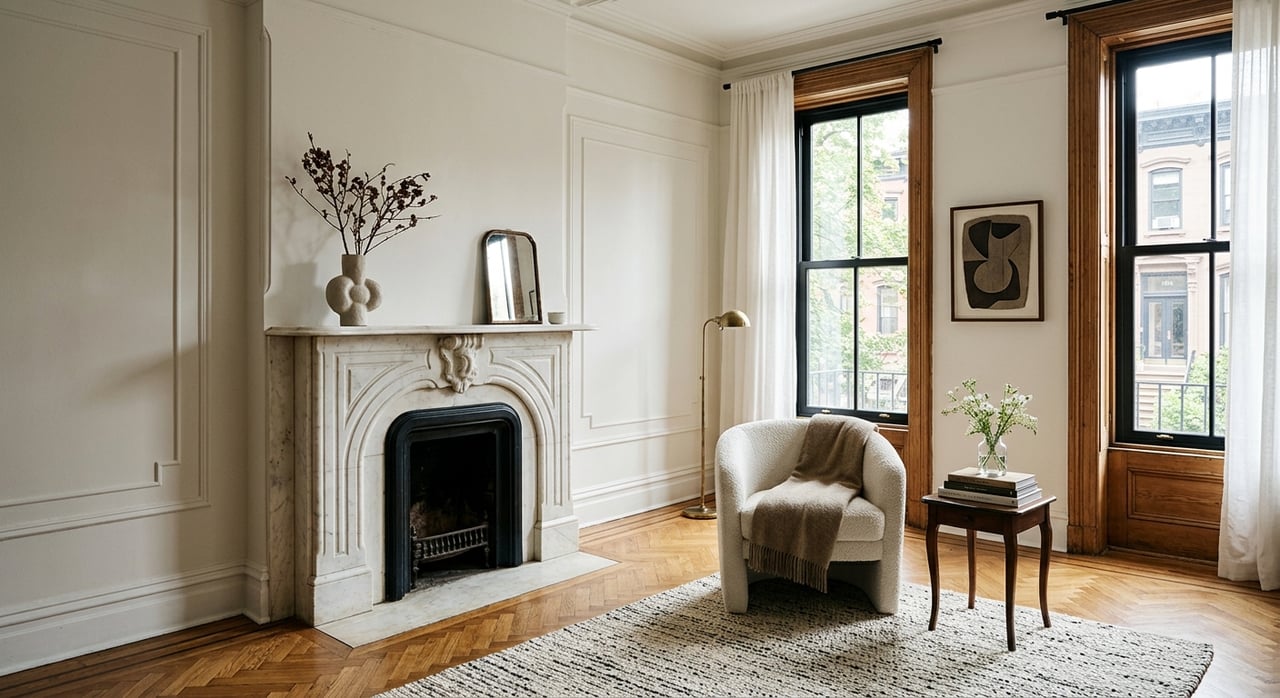
Classic Fishtown rowhomes are typically late 19th to early 20th century brick houses on narrow lots with party walls. You often see original wood floors, detailed trim, exposed brick, and smaller, well-defined rooms. Some homes have modest rear yards and basements. Finished square footage can be lower unless a full renovation or vertical addition was completed.
Maintenance and repair outlook
Older envelopes and systems need closer attention. Factor these into your budget:
- Roof lifecycle. Many older rowhomes have flat or low-slope roofs. A typical Philadelphia roof replacement often runs about $5,000 to $12,000 depending on size and materials, based on contractor pricing trends reflected by Angi’s Philadelphia roof cost guide.
- Masonry and tuckpointing. Repointing aging brick is common on historic façades. Market guidance often ranges from a few dollars to over $10 per square foot depending on scope. Whole-house work can reach thousands to tens of thousands, so include a masonry allowance in your plan.
- Basements and sewer risk. Philadelphia’s combined sewer system and low areas can increase odds of water intrusion or sewer backup. Cleanup and remediation can cost thousands to tens of thousands depending on severity. Ask about any history of backups and whether a backwater valve or battery-backed sump pump is installed. For typical cleanup costs and risk context, see this local overview of sewage backup considerations and expenses. Also use the City’s flood maps and tools to assess parcel-level exposure.
Financing and insurance for older homes
If you plan a renovation, consider loan products that bundle purchase and rehab:
- Owner-occupants can explore the FHA 203(k) Rehabilitation Mortgage, which finances purchase plus improvements in one loan.
- Conventional buyers may prefer Fannie Mae’s HomeStyle Renovation, which can offer competitive rates and broad project types if you meet underwriting standards.
Insurers often price older homes higher when systems are outdated. Newer roofs, updated wiring, and modern plumbing can help your premium. Always obtain property-specific quotes and include endorsements for local risks like sewer backup if needed.
New construction: what you get
Features and finishes
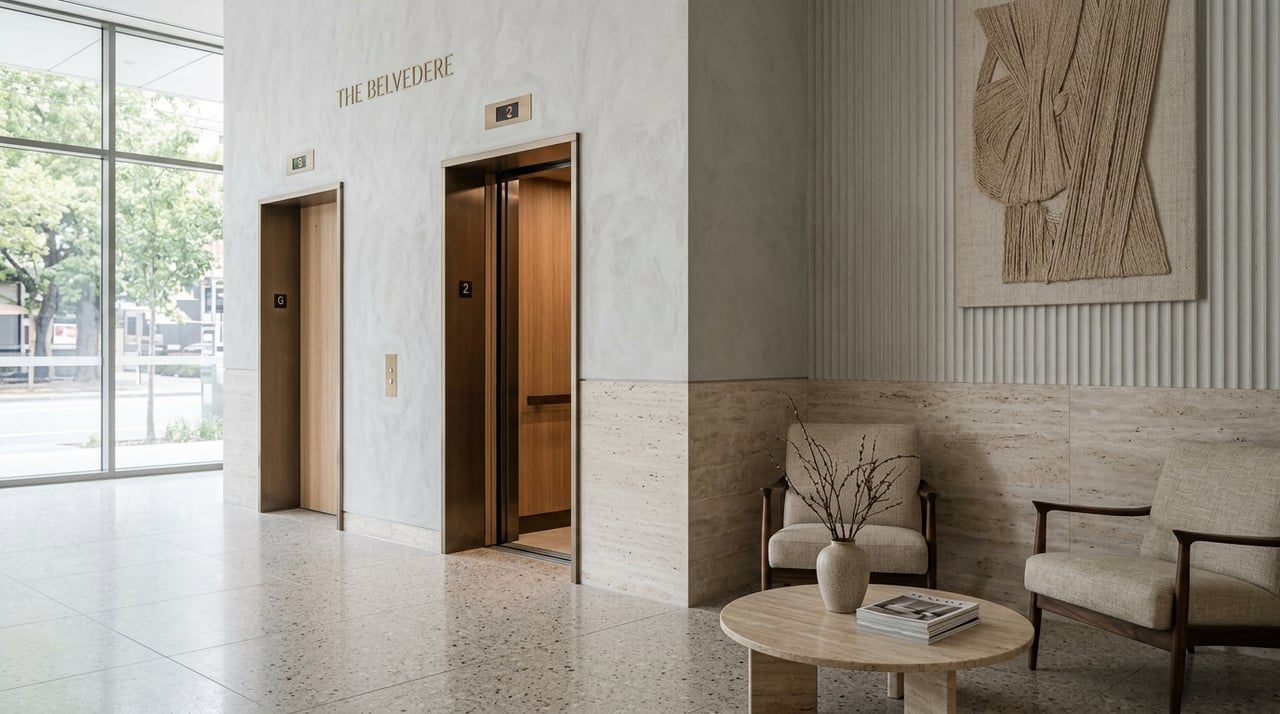
Many Fishtown new builds deliver wider layouts, open kitchens, modern HVAC, higher insulation, new windows, and multiple outdoor spaces. Roof decks and finished basements are common. Some projects include off-street parking, which typically commands a premium.
Tax abatement and warranties
Philadelphia historically offered a 10-year tax abatement on improvement value. City Council approved changes in 2020 that phased down benefits and added a development impact tax, with timelines depending on filing dates and subsequent rules. The key takeaway is to confirm whether a specific property has an active abatement and how many years remain. For policy background, see this legal summary of the abatement program changes.
Most new builds include a builder warranty package. It often covers one year of workmanship, a short-term systems period, and a longer structural component that is marketed as 10-year structural coverage through third-party providers. Always verify the exact warranty terms and administrator. For a general overview of typical 1-2-10 structures, review a third-party provider’s warranty framework.
Condo vs townhome
New condos typically carry HOA fees that fund common-area and exterior maintenance, insurance for shared elements, and sometimes amenities. Townhomes without associations can mean lower monthly fees but more direct responsibility for exterior upkeep. Compare HOA budgets, reserve studies, and any recent or pending special assessments before you commit.
Cost comparison and value drivers
Neighborhood medians provide context, but age is only one variable. Newer, wider homes and those with roof decks, finished lower levels, parking, or remaining abatement years often sell at a premium. Fully renovated historic homes can also command strong pricing when design and workmanship are high quality. For a precise comparison, have your agent run a block-level CMA that matches condition, width, outdoor space, and parking.
Investment lens: quick math you can test
Using neighborhood-level benchmarks, you can estimate gross yield to see whether a property could support your goals. For example, take a two-bedroom that could rent near the current Fishtown average for a two-bedroom of about $3,351 per month. Annualized, that is roughly $40,212 in gross rent. Divide by a purchase price near the neighborhood’s typical sale range to get a back-of-the-envelope gross yield. Remember this is before property taxes, insurance, maintenance, HOA fees, vacancy, management, and capital reserves. Run a full pro forma with real numbers for the specific address.
Zoning, design controls, and what to check
Zoning shapes what you can build or add. Fishtown includes single-family attached zones and multifamily/commercial overlays along key corridors. Review parcel-level zoning and recent planning history in the City’s River Wards context, including the New Kensington and Fishtown Redevelopment Area Plan. Historic designations also affect exterior changes. While most of Fishtown is not a local historic district, individual properties may be protected. Confirm status with the Philadelphia Historical Commission before planning exterior work.
Quick showing checklist
Use this list to focus your questions during tours:
- What is the year built and when were major systems last replaced, including roof, HVAC, hot water, electrical, and the sewer lateral?
- Is there a recorded tax abatement? If yes, what is the schedule and how many years remain? Verify with City records and the seller’s disclosure.
- Has the property had basement flooding or sewer backup? Are there backwater valves or a battery-backed sump pump, and can you review installation and service records?
- For historic properties, are there any historic-district restrictions, easements, or pending nominations?
- If you plan a renovation, which loan products fit your scope and timeline, such as FHA 203(k) or Fannie Mae HomeStyle Renovation?
- For condos or HOA communities, can you review governing docs, budgets, reserves, insurance, and any recent or upcoming special assessments?
Which is right for you?
- Choose new construction if you value turnkey systems, modern layouts, lower near-term repair risk, and features like roof decks or parking. Confirm any abatement, warranty scope, and HOA obligations in writing.
- Choose a historic rowhome if you want character, a potentially lower entry price before renovation, and the chance to add value through thoughtful updates. Budget for masonry, roof, and systems, and order inspections that focus on envelope and drainage.
- As an investor, use current rents and prices to screen, then model a realistic net return that includes taxes, insurance, HOA, maintenance, vacancy, and a capital reserve for older stock.
If you want a clear, property-specific path, connect with Reid Rosenthal for a focused strategy, a tailored CMA, and a step-by-step plan to compare your top options in Fishtown.
FAQs
What are typical Fishtown home prices in 2026?
- Public trackers place neighborhood values in the mid-to-high $300Ks to $400Ks as of February 2026, with differences explained by methodology and whether the figure reflects sale price or a home value index.
How does Philadelphia’s 10-year tax abatement affect new builds?
- The city reduced benefits for projects filed after 2020 changes, so you should verify if a given home still has an active abatement and how the schedule phases down; see this summary of the abatement program changes for background.
Are new-construction home warranties standard in Fishtown?
- Most new builds offer a builder package with a year of workmanship coverage, a short systems period, and a longer structural component; details vary, so review the specific policy and administrator, and see a typical 1-2-10 warranty framework for context.
What does insurance usually cost for older vs newer homes?
- Insurers often charge more for older homes with outdated systems and give underwriting advantages to new construction with modern materials, so get property-specific quotes and consider endorsements for local risks like sewer backup.
What are common repair costs for historic rowhomes?
- Expect potential roof replacement in the $5,000 to $12,000 range for typical rowhouse roofs and budget for tuckpointing that can reach thousands to tens of thousands depending on scope, plus possible drainage or sewer-backup mitigation.
Do I need to worry about flood or sewer risk in Fishtown?
- Check FEMA and the City’s resources before you buy and ask about any history of intrusion or backups; use the City’s flood maps and tools and consider a backwater valve or sump system where appropriate.