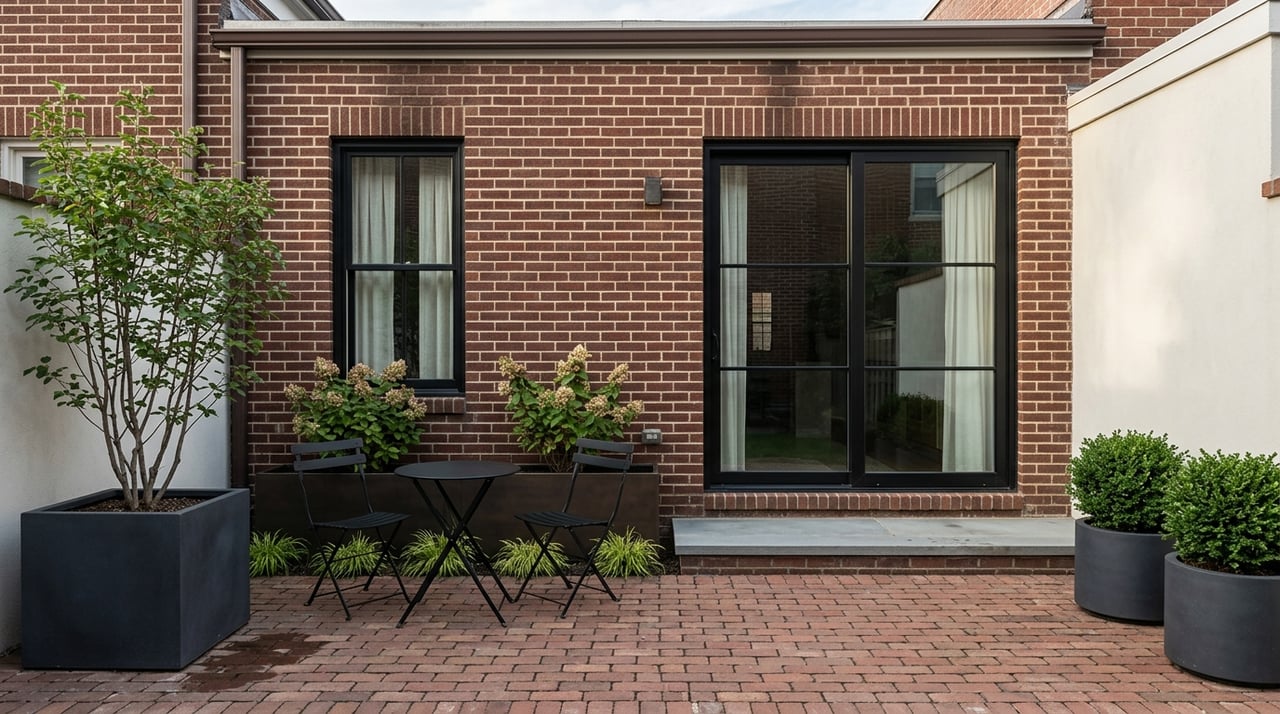
Selling a home in Queen Village is rarely just about square footage. Buyers often respond to the details that make this neighborhood feel distinctly Philadelphia, from brick facades and bay windows to vestibules, fireplaces, and the narrow proportions of classic rowhomes. If you are getting ready to sell, the right prep plan can help you highlight that character, avoid delays, and launch with confidence. Let’s dive in.
Why Queen Village prep is different
Queen Village includes some of Philadelphia’s oldest homes, and that changes how you should think about presentation. In many cases, buyers are not simply comparing room counts. They are reacting to how well a home balances preserved character with clean, livable updates.
That matters because many homes here are rowhouses. When furniture is oversized or rooms are crowded, spaces can feel smaller than they are. A lighter, simpler presentation usually helps buyers notice the scale, flow, and architecture instead of the stuff inside the house.
Outdoor living also carries more weight in Queen Village than it might in some other markets. A tidy stoop, rear patio, roof deck, or small garden can feel like meaningful living space in an urban setting. When you prepare your home for the market, those areas should be treated as part of the home’s value, not as an afterthought.
Start with a smart prep timeline
One of the biggest mistakes sellers make is starting too late. If you wait until a few weeks before listing, you may run out of time for repairs, contractor scheduling, city paperwork, and the final polish that strong marketing requires.
A practical Queen Village timeline usually looks like this:
- 6 to 12 months out: identify repairs, plan any larger projects, and check whether permits or approvals may be needed
- 3 to 4 months out: complete contractor work and begin planning your staging strategy
- 30 to 60 days out: declutter, deep clean, stage, and schedule photography
- 1 to 2 weeks out: handle touch-ups, confirm paperwork, and prepare for launch
This kind of lead time matters even more in Philadelphia, where permits and approvals can affect your schedule. If your home needs more than cosmetic work, it is worth planning well ahead rather than hoping everything can be done quickly.
Focus on presentation, not over-improvement
Staging is about helping buyers picture themselves living in your home. It is not the same as a full remodel, and in Queen Village, thoughtful presentation often does more for marketability than expensive changes made too close to list date.
National staging data supports that approach. According to NAR’s 2025 staging report, 83% of buyers’ agents said staging makes it easier for buyers to visualize a property as their future home. The same report found that about half of sellers’ agents said staging reduced time on market, and 29% said it increased the dollar value offered by 1% to 10%.
For Queen Village sellers, the goal is simple: make the home feel bright, calm, and easy to understand. You want buyers to notice the architecture, layout, and lifestyle, not distractions.
Declutter for rowhouse scale
Rowhomes often benefit from a lighter touch. Bulky furniture, packed shelves, and overfilled corners can make rooms feel tighter, especially in homes with narrower footprints.
Start by removing anything that interrupts flow. Pack away personal items, clear surfaces, edit furniture down to the essentials, and keep closets visibly underfilled. If a room has a strong architectural feature, let that feature lead.
Use neutral, simple finishes
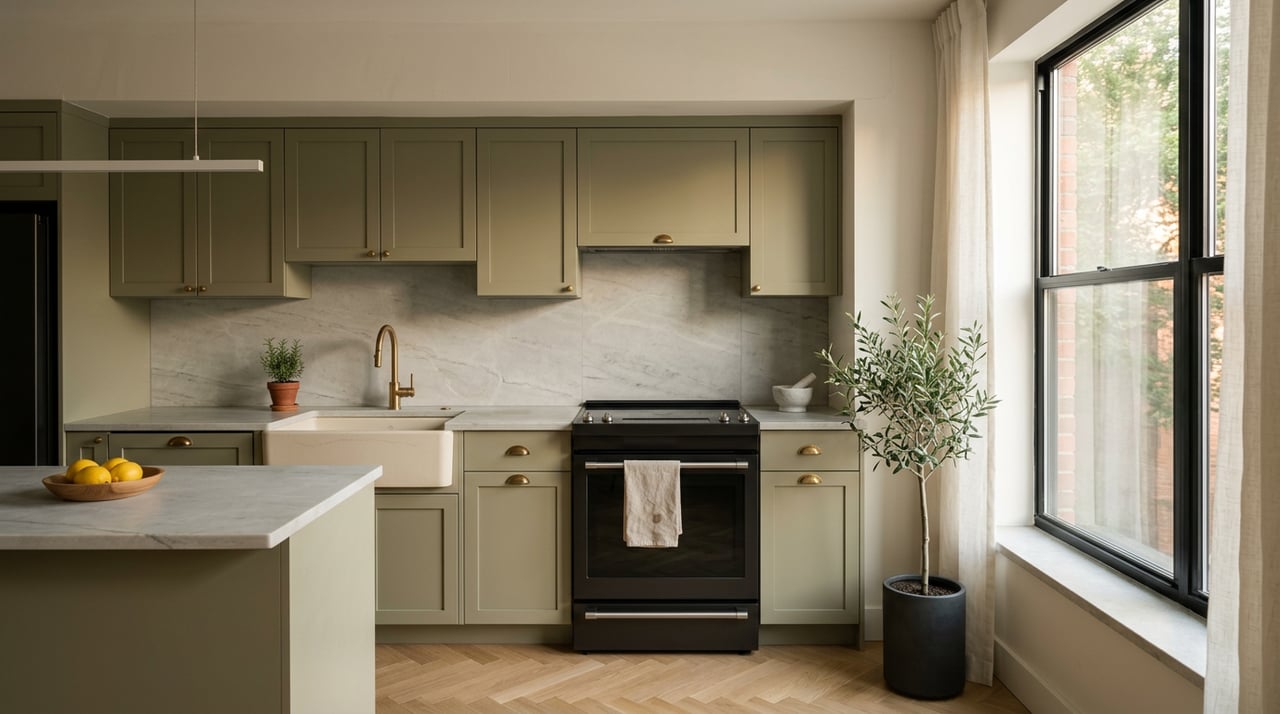
If paint is dated or highly specific, neutral tones can help the home feel fresher and brighter. Clean, simple walls also allow original trim, brick, fireplaces, and wood details to stand out more clearly.
This does not mean stripping the home of personality. It means creating a backdrop that feels polished and broadly appealing while still respecting the home’s character.
Highlight original details
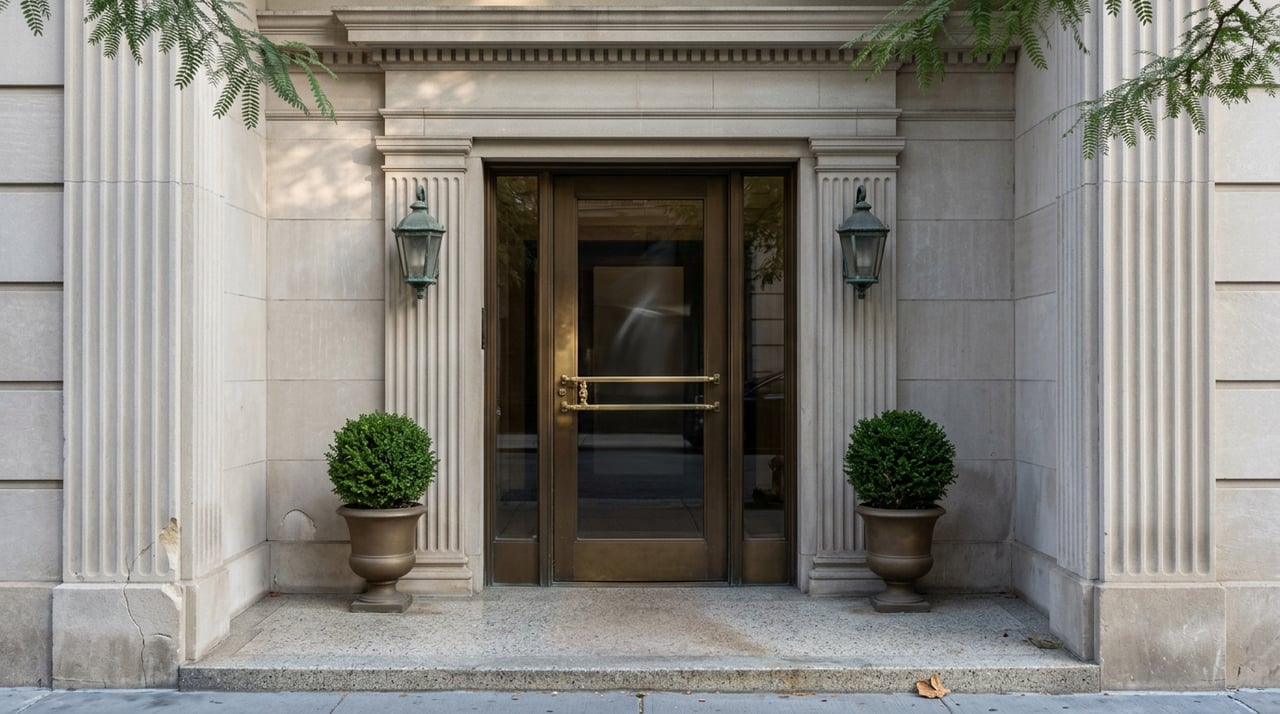
In Queen Village, period details are part of the product. Buyers may be drawn to vestibules, bay windows, original woodwork, brick walls, or fireplaces because those features help distinguish one home from another.
As you prep, think about how to reveal those details rather than cover them up. That may mean simplifying decor, adjusting furniture placement, or improving lighting so key features photograph and show well.
Treat curb appeal as part of the sale
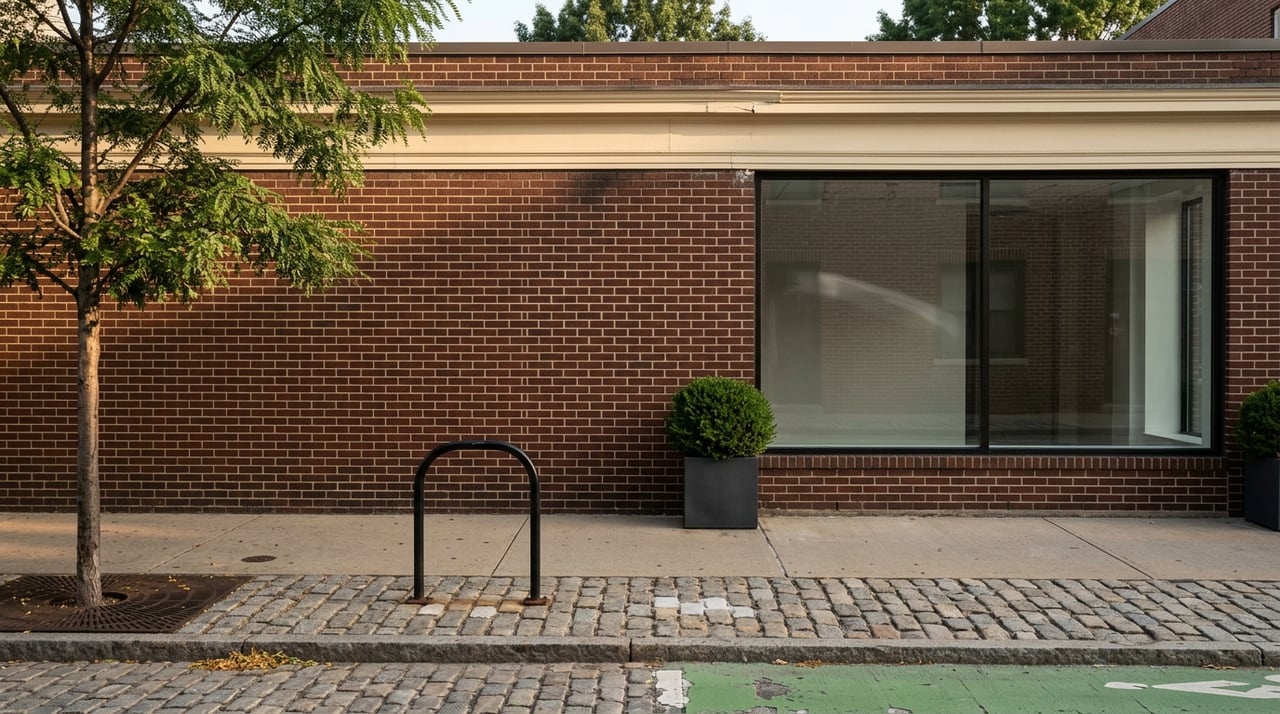
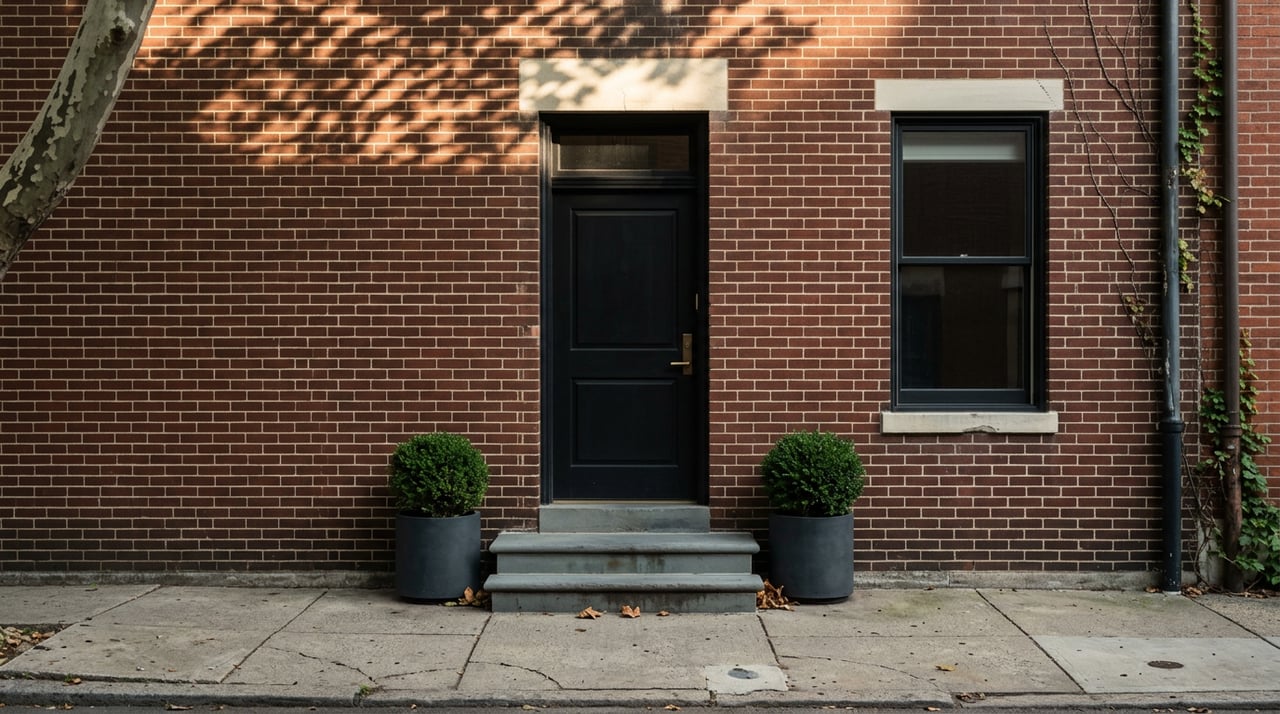
In a rowhouse neighborhood, buyers often form an impression before they walk through the front door. Your exterior does not need to be flashy, but it should feel cared for and intentional.
In many Queen Village homes, the safest curb appeal improvements are non-structural. Cleaning, sweeping, planting, trimming, and tidying can go a long way without creating avoidable approval or permit issues.
A strong exterior prep checklist may include:
- sweep and clean the stoop, steps, and entry
- add a fresh doormat if appropriate
- trim planters or small front plantings
- clear away dead growth and debris
- clean the front door and visible hardware
- make sure exterior lighting works
- tidy any rear patio, small yard, or roof deck areas
These small moves can help buyers see outdoor spaces as usable extensions of the home. In a neighborhood where outdoor living adds real appeal, that matters.
Check local rules before exterior work
Before spending money on facade changes or exterior upgrades, pause and confirm what is allowed. Queen Village has a Neighborhood Conservation District framework that affects some exterior elements, including front setbacks, visible parking, roof deck placement, and certain front facade materials.
The code specifically prohibits vinyl, stucco, or cement-board siding on a front facade and restricts some fence materials and visible parking. That means a project that seems cosmetic may involve local rules you need to understand before moving forward.
If your home is on the Philadelphia Register of Historic Places, exterior changes usually need approval from the Historical Commission. The city’s review can include windows, doors, porches, decks, fences, facades, roofing, masonry work, and other changes that alter exterior appearance.
Standard maintenance is generally a different story. The city says landscaping, tree trimming, and temporary holiday decorations are generally exempt when no historic features are altered. For many sellers, that makes low-risk cleanup and maintenance the most practical exterior strategy before listing.
Plan for permits and required paperwork
If your prep work moves beyond touch-ups into construction, Philadelphia’s building permit process may apply to both interior and exterior work. This is one more reason to begin early. Contractor availability, permit review, and scheduling can all affect your timeline.
Sellers in Philadelphia should also plan ahead for the Property Sales Certification. The city requires it to sell real estate in Philadelphia, lists the cost at $139, and says processing takes about five business days.
That certificate also includes zoning classification, last established use, and any uncorrected violations. Checking it early can help you avoid last-minute surprises that slow down your launch or your contract timeline.
Prep outdoor spaces for photography
In Queen Village, your outdoor photos can carry real weight. A clean patio, roof deck, or garden area may help buyers see the home as offering more usable space and a more complete city lifestyle.
Try to keep these spaces simple and intentional. Remove anything broken, worn out, or overly personal. If the space is small, avoid filling it with too much furniture so it reads as open and functional.
Photography should happen only after the home is fully ready. The photos buyers see online should match the decluttered, well-lit, polished condition they will experience in person.
Aim for a spring-ready launch
Seasonality can influence how your home shows. In Philadelphia, spring weather tends to support curb appeal, outdoor-space photography, and more comfortable showings, while winter conditions can make exterior presentation more challenging.
NOAA climate normals for Philadelphia show average highs and lows rising from 52.8 and 34.3 in March to 64.7 and 44.3 in April, then 74.4 and 54.2 in May. By contrast, January averages 41.3 and 26 degrees, with 7.1 inches of normal snow.
Recent housing research points in a similar direction. Realtor.com’s 2026 report identified April 12 to 18 as the strongest seller week nationally, and Zillow’s 2026 analysis found that homes listed in the last two weeks of May sold for 1.7% more nationwide on a typical U.S. home. The exact timing can vary, but late spring is a useful planning window for many Queen Village sellers.
A practical Queen Village prep strategy
If you want a simple framework, think in this order: protect the home’s character, reduce visual clutter, improve exterior livability, and stay ahead of city requirements. That approach fits the neighborhood and helps you avoid spending money in the wrong places.
A well-prepared Queen Village home usually does not need to feel overdesigned. It needs to feel clean, bright, functional, and true to the architecture that makes the neighborhood special.
When you pair that presentation with a disciplined timeline, clear checklists, and polished marketing, you give your home a stronger chance to make the right impression from day one. If you are thinking about your next move in Queen Village, Reid Rosenthal can help you build a market-ready plan with the right strategy from the start.
FAQs
What makes preparing a Queen Village home for sale different?
- Queen Village has many historic and rowhouse-style homes, so buyers often pay close attention to original character, room flow, and outdoor living spaces in addition to size and updates.
What staging steps matter most for a Queen Village rowhome?
- The most effective steps are usually decluttering, removing bulky furniture, using neutral paint where needed, keeping closets underfilled, and highlighting original details like bay windows, brick, or woodwork.
What exterior work should Queen Village sellers check before starting?
- You should check local rules before making facade changes, adjusting parking, adding or changing fencing, or doing roof deck work because Queen Village has a Neighborhood Conservation District framework that regulates some exterior elements.
What if my Queen Village home is historically designated?
- If your home is on the Philadelphia Register of Historic Places, exterior changes usually need Historical Commission approval, while standard maintenance like landscaping and tree trimming is generally exempt if historic features are not altered.
What paperwork do Philadelphia sellers need before listing?
- Philadelphia requires a Property Sales Certification to sell real estate in the city, and the city says it costs $139 and takes about five business days to process.
When should I start preparing my Queen Village home for the market?
- A practical timeline is to begin planning several months ahead, with larger repairs and permit-related work starting earliest, then decluttering, staging, cleaning, photography, and final paperwork closer to launch.