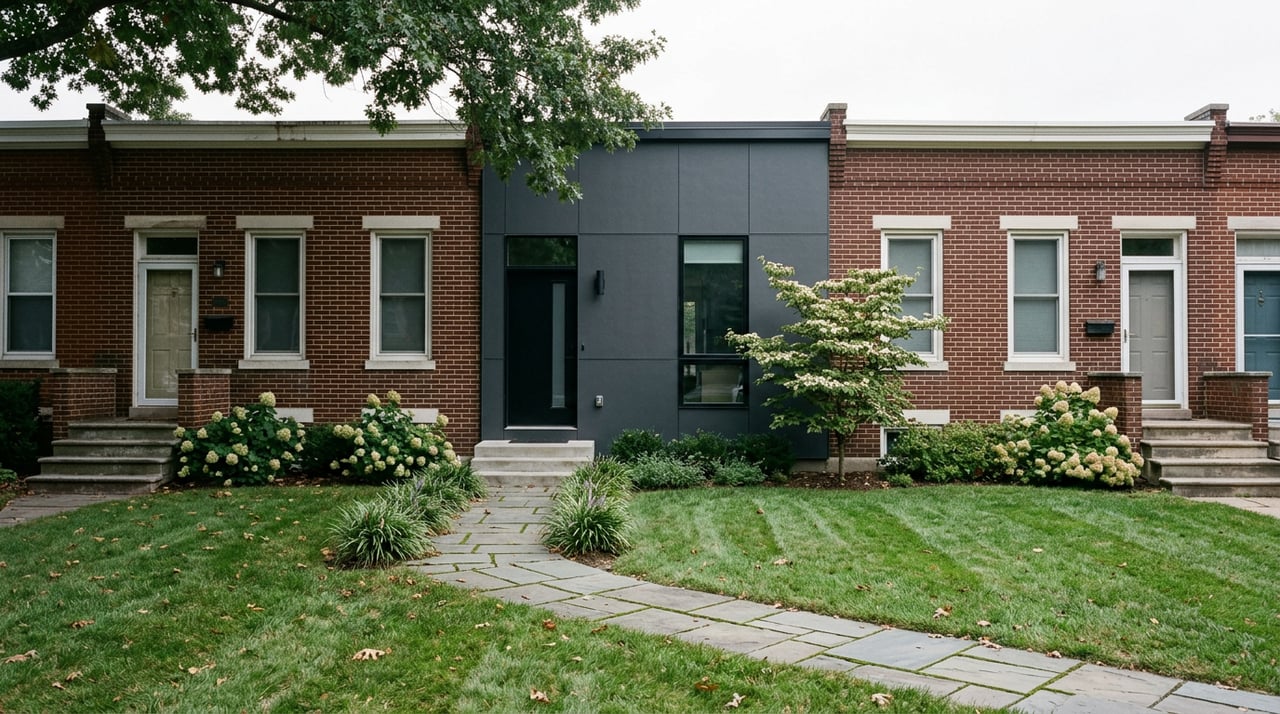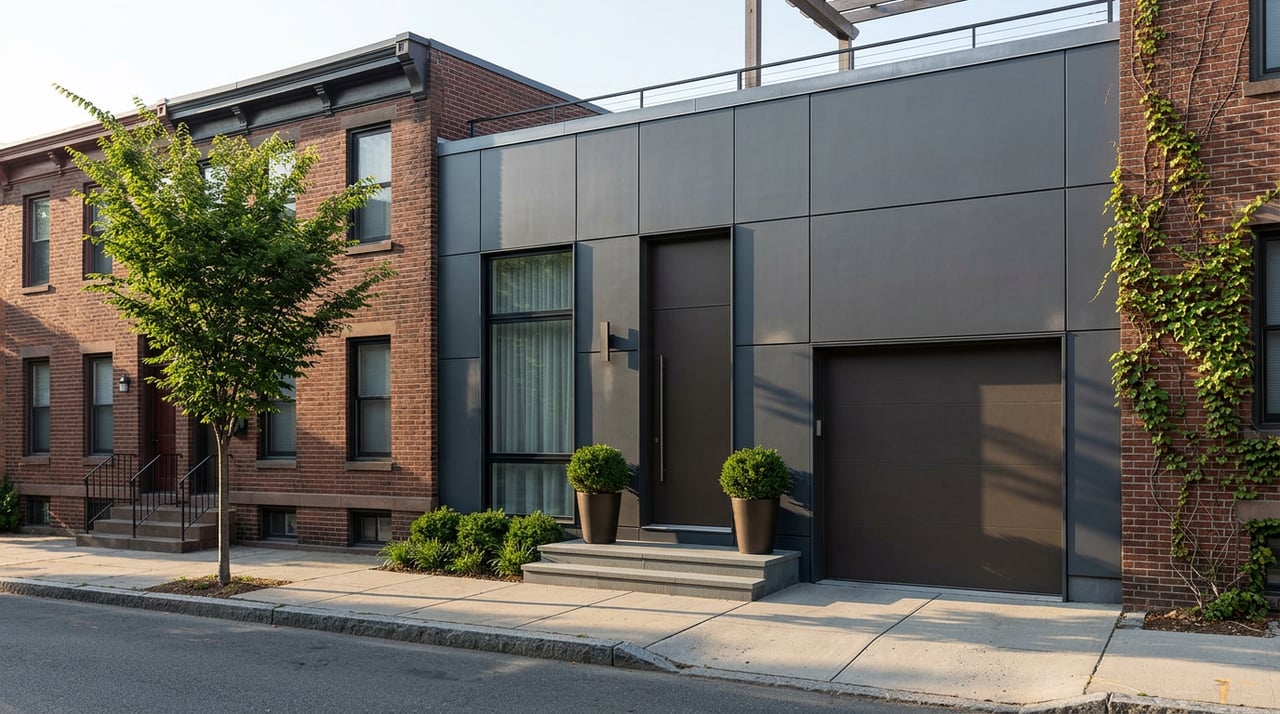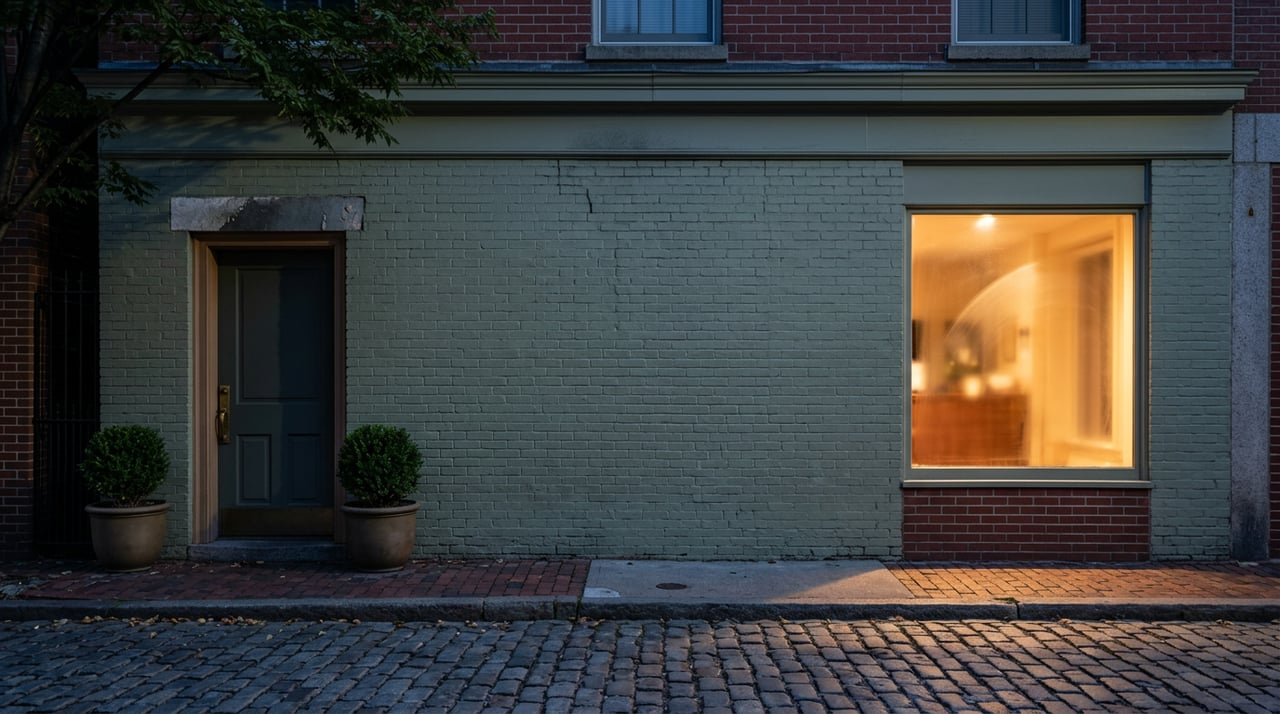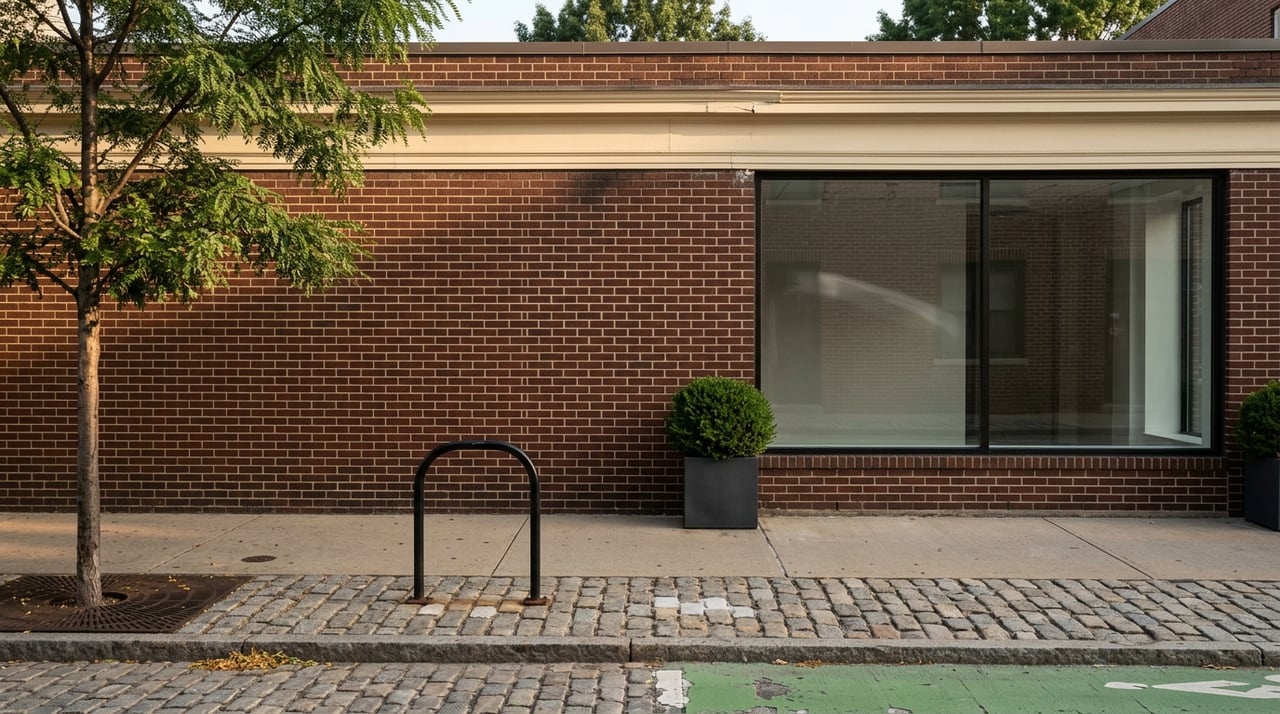
Walk down Market Street between 2nd and 6th right now and the first thing you notice is what's missing. No fencing. No plywood walls. No detour signs routing you around a torn-up sidewalk. For the past year and a half, that walk meant picking your way past a construction zone. Now it's a curbless plaza at 2nd and Market, protected bike lanes, and new Belgian block paving that finally looks finished instead of half-built.
That plaza didn't appear this summer. It's the end of something that started roughly a decade ago, and it's arriving at the same moment two other long-running Old City stories are also wrapping up. That's the part worth understanding if you live here: this isn't a normal wave of restaurant openings or a typical construction update. It's three separate, years-long civic bets that all happened to mature in the same 90 days, right as the neighborhood heads into its busiest tourist season in a generation.
The Street Itself Just Finished
The Market Street Old City Improvement Project traces back to a 2015 community survey and a 2017 feasibility study, both run by the Old City District. Out of that came Vision2026, the business improvement district's plan for what a reimagined Market Street could look like. Actual construction didn't start until a December 2024 groundbreaking at 2nd and Market, and it took 18 months and $16 million to finish, according to the city's official completion announcement in June 2026.
The finished product includes one travel lane in each direction instead of two, protected bike lanes between the parking lane and sidewalk, wider sidewalks, and a curbless pedestrian plaza at 2nd and Market designed for easier access regardless of mobility. SEPTA used the window to upgrade the Market-Frankford Line headhouses at 2nd Street too. Old City District executive director Job Itzkowitz called it a decade in motion arriving all at once, telling the city that the neighborhood's shops and cultural sites are now more accessible than they've ever been.
None of that was free for the businesses that had to operate through it. Coffee Tea & Company, a longtime Market Street coffee shop, lost customers when sidewalk fencing made it hard for people to reach the door. The shop leaned on the Merchants Fund, a charitable program for small businesses, to get through the worst of it. That's the trade-off nobody puts on the ribbon-cutting banner: an 18-month construction window is also 18 months of foot traffic uncertainty for the people running storefronts on that block.
The Businesses That Opened Anyway
Here's the detail that actually changes how you should read this summer's restaurant news. According to Itzkowitz, ten new businesses opened on Market Street, or announced plans to, during the construction period itself. Not after the ribbon was cut. During the fencing and the detours.
Monto, a new Irish pub from Fergus Carey of Fergie's Pub, took over the former Mac's Tavern space at 226 Market. Liberty Scoops, a new ice cream shop from the same owners behind Coffee Tea & Company, opened a few doors down. Baba Döner, a döner-kebab shop from the team behind the Oh Brother cheesesteak spot at 206 Market, moved into 230 Market. Qahwah House, a Yemeni coffee chain, took 224 Market. Ellen Yin, the James Beard Award-winning restaurateur behind Fork and High Street, added a bakery to the mix: the Bread Room, a rustic daytime bakery and evening pastry workshop run by High Street's executive chef Christina McKeough and head baker Kyle Wood.
That's not a coincidence of timing. Operators who sign a lease on a block wrapped in construction fencing are making a specific bet: that the finished corridor will look different enough, and draw enough people, to justify the wait. Old City's Market Street just gave that bet a visible payoff.
A Two-Year Fight Over a Name Finally Ends
If the streetscape is a decade-long civic project, the Tun Tavern story is a shorter and stranger version of the same pattern: an idea that took years to clear the legal runway before a single shovel could go into the ground.
The original Tun Tavern stood near the Delaware River between Walnut and Chestnut, built by English traders Samuel and Joshua Carpenter sometime around 1686 to 1693. It became a hub of colonial civic life, hosting the Freemasons and several charitable aid societies. In 1775 it served as the first recruiting station for what became the U.S. Marine Corps. The building burned and was demolished by 1781, and the original site now sits under I-95.
In 2024, the nonprofit Tun Legacy Foundation, made up of Marine veterans and Philadelphia organizations tracing back to the original tavern, bought a parking lot at 19-25 South 2nd Street for $4.4 million with plans to rebuild a replica roughly 250 yards from where the original stood. That same year, Montgomery Dahm, who owns the Tun Tavern trademark through his company Aljess and has operated a Tun Tavern brewpub in Atlantic City since 1998, sued in federal court, arguing the foundation's use of the name would create confusion with his own business. The dispute escalated in September 2025 when Dahm announced plans to convert a nearby restaurant into his own second Tun Tavern location, and it played out publicly that November when Marines gathered at both sites during the Corps' 250th anniversary.
The lawsuit settled in February 2026. Dahm dropped his suit and agreed not to pursue the Chestnut Street location, and the foundation retained exclusive rights to build its version on 2nd Street. As of the settlement announcement, the foundation was still raising money toward a construction budget reported at $21 million, with groundbreaking expected later this year, according to reporting from the Inquirer. A tavern that's been gone since 1781 is finally about to be rebuilt, and it took two more years of litigation on top of everything else just to get to a groundbreaking date.
The Other Colonial Tavern Coming Back
While the Tun waits on construction, a second historic tavern site quietly reopened. City Tavern, the reconstructed 1970s version of the 1773 original at 2nd and Walnut, has sat mostly dark since closing during the COVID-19 pandemic, open only occasionally as a museum with no regular hours. In June 2026, Independence National Historical Park, Historic Philadelphia, and Cescaphe launched the Garden at City Tavern, a seasonal outdoor pop-up in the gardens behind the building. Daytime programming includes colonial-era lawn games and historic interpreters, and a Saturday evening series called Independence After Hours pairs a tour from the Independence Visitor Center with drinks back at the Garden.
Two colonial tavern sites, both dormant for years, both finding new life within months of each other. That's not a marketing campaign. It's what happens when a neighborhood's slow-moving civic and nonprofit projects all happen to clear their final obstacle in the same season.
The Calendar Nobody Had to Fight For
Underneath all three of those bigger stories, Old City's regular rhythm kept running on schedule, the way it does every year:
- First Friday's next date is September 4, with October 2, November 6, and December 4 following through the end of the year. More than 30 galleries and design showrooms in the district open new exhibits and stay open late, a tradition that started here in 1991.
- The Old City Eats Block Party took over the 2nd Street corridor between Market and Chestnut on June 4 this year, expanding for the first time to include the 100 block of Chestnut Street, with restaurants like Cuba Libre, Glory Beer Bar & Kitchen, and Han Dynasty serving specialty dishes to the crowd.
- The Philadelphia Chinese Lantern Festival at nearby Franklin Square, themed around the Year of the Horse, was extended through the end of August due to demand, with weekday deals on dumplings, carousel rides, and mini-golf.
None of that required a lawsuit or a construction crew. It's proof the neighborhood's everyday texture doesn't depend on any of the bigger projects finishing on time. It would have happened regardless.
What This Adds Up To
If you live in Old City, the useful thing to take from this summer isn't a list of new restaurant names, though those are worth knowing. It's that the neighborhood's biggest changes rarely show up as single events. They show up as backlogs clearing all at once: a decade-long streetscape plan, a two-year trademark fight, a pandemic-era closure, all landing within the same few months because that's how long civic and nonprofit timelines actually run in a historic district. The next round of change here won't announce itself with a ribbon-cutting either. It'll be another slow bet that's been building for years, quietly, until it isn't quiet anymore.
If you're curious how any of this is shaping property values or buyer interest on specific blocks, the team at Reid Rosenthal tracks Old City closely enough to have an informed answer. Reach out to schedule a free consultation whenever you're ready to talk through it.